MemorialEurípedes Barsanulfo

Welcome

Explore his life

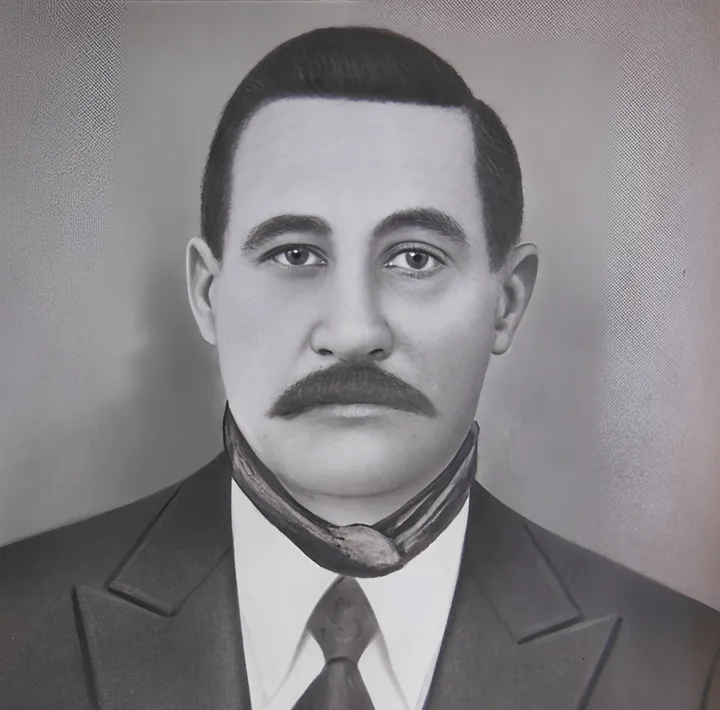
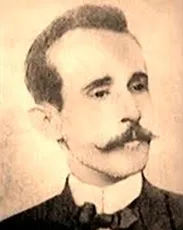
Eurípedes
Barsanulfo

1880 to 1918

Discover his life through photographs, documents and accounts from the collection.

Watch all takes you through the collection in order. Pause and resume at your own pace.

Choose a topic8 topics to explore at your own pace.

Eurípedes Barsanulfo and Colégio Allan Kardec.

Explore the collection

Where would you like to start?

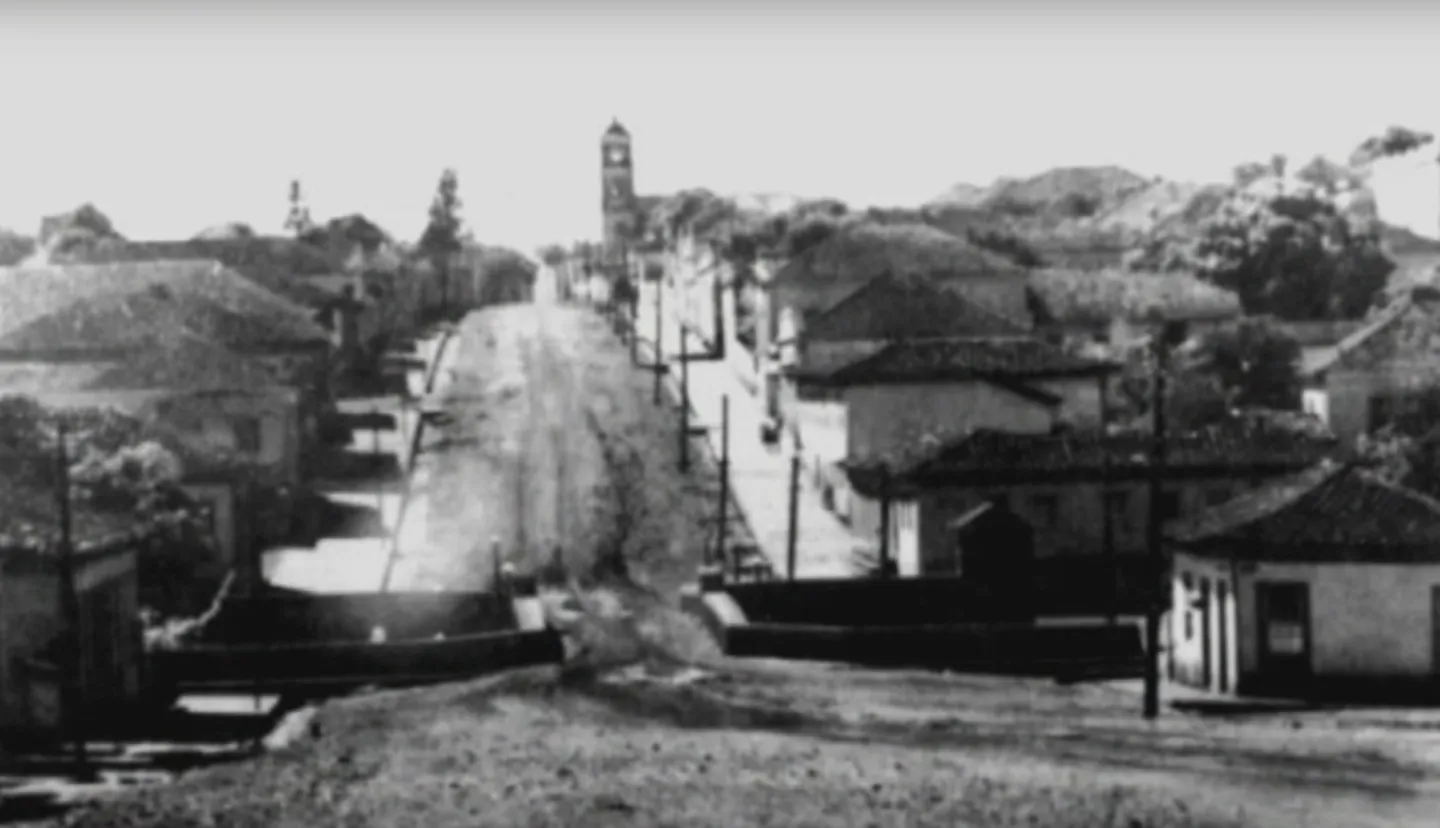
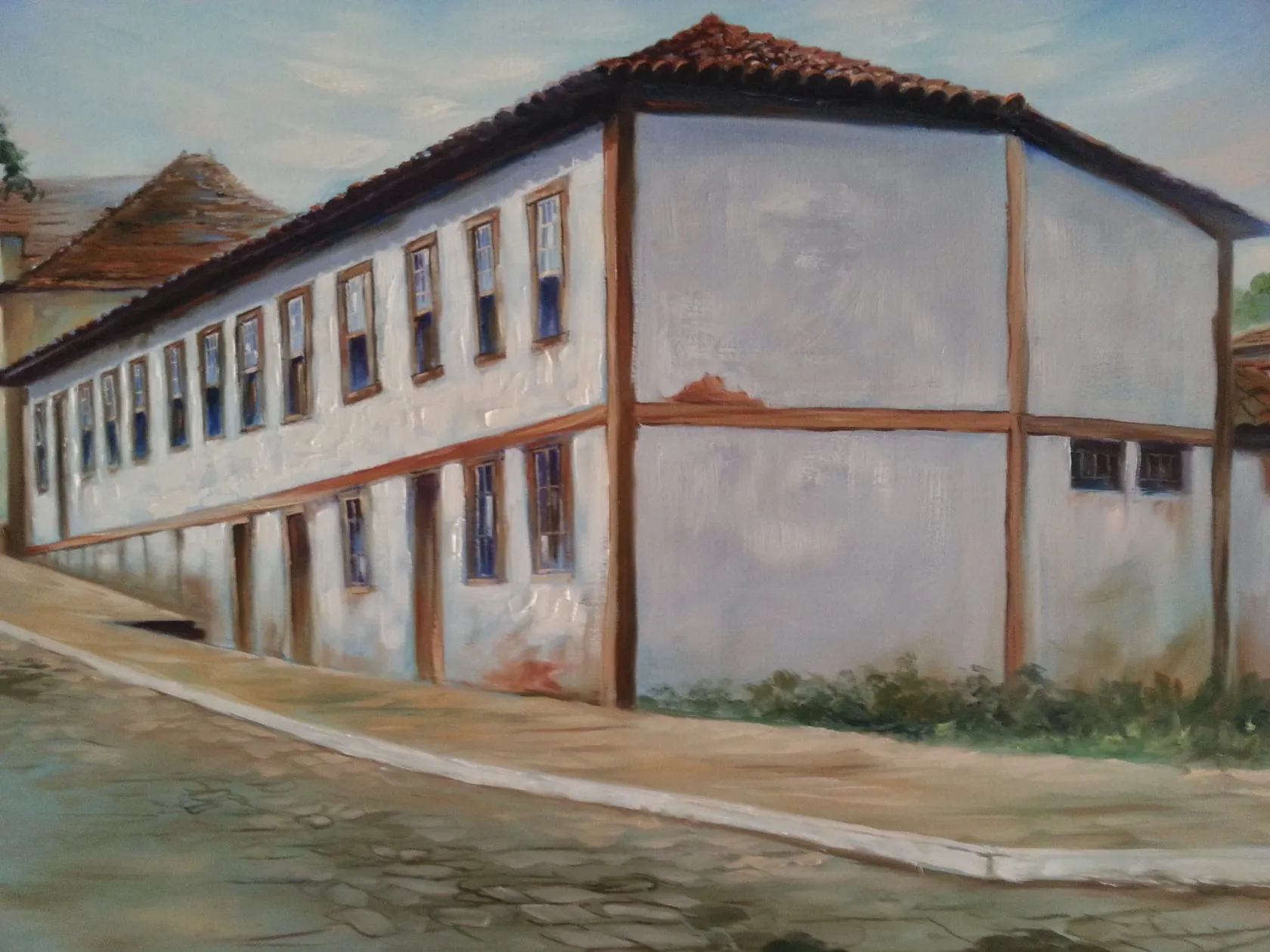
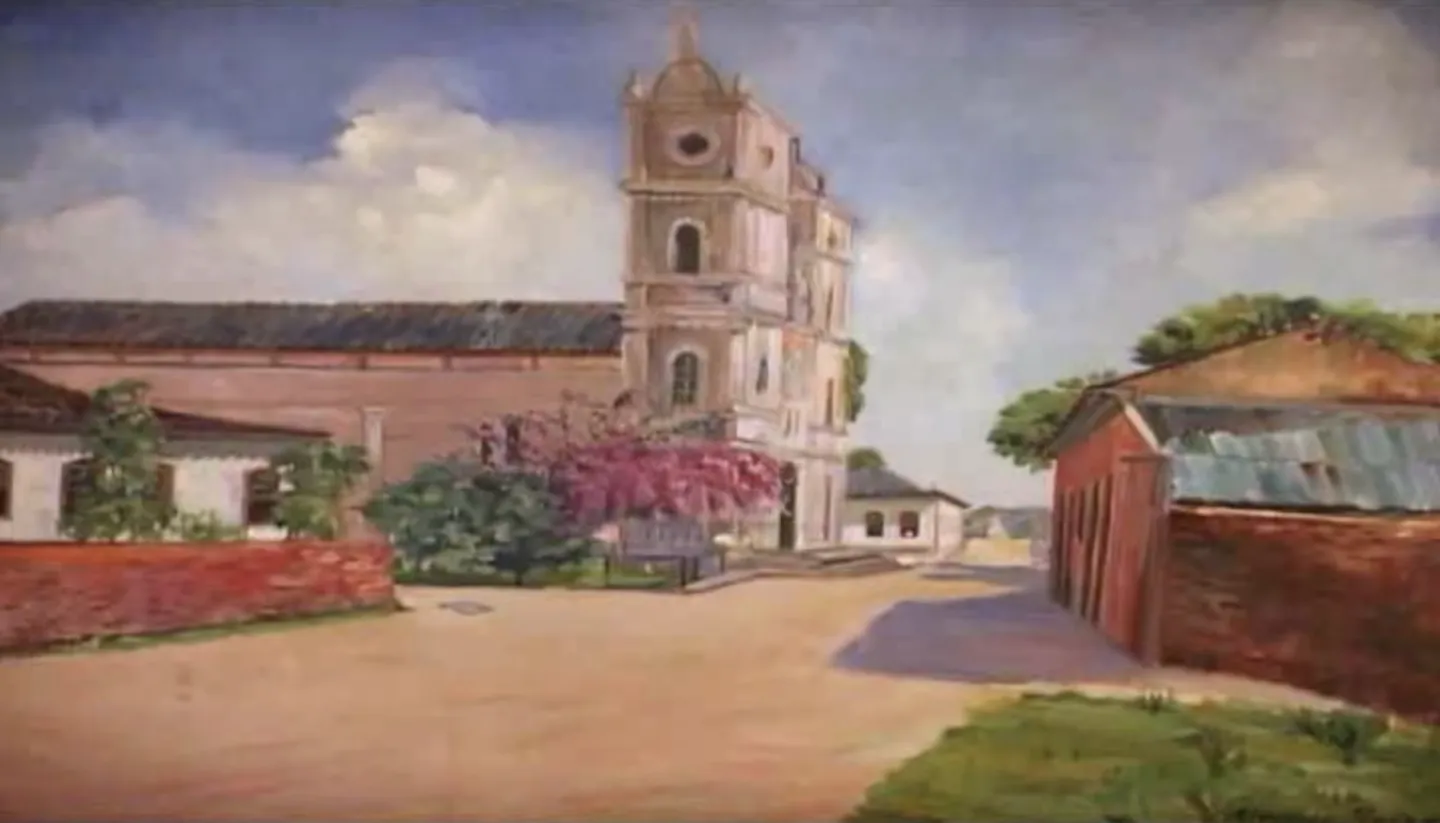
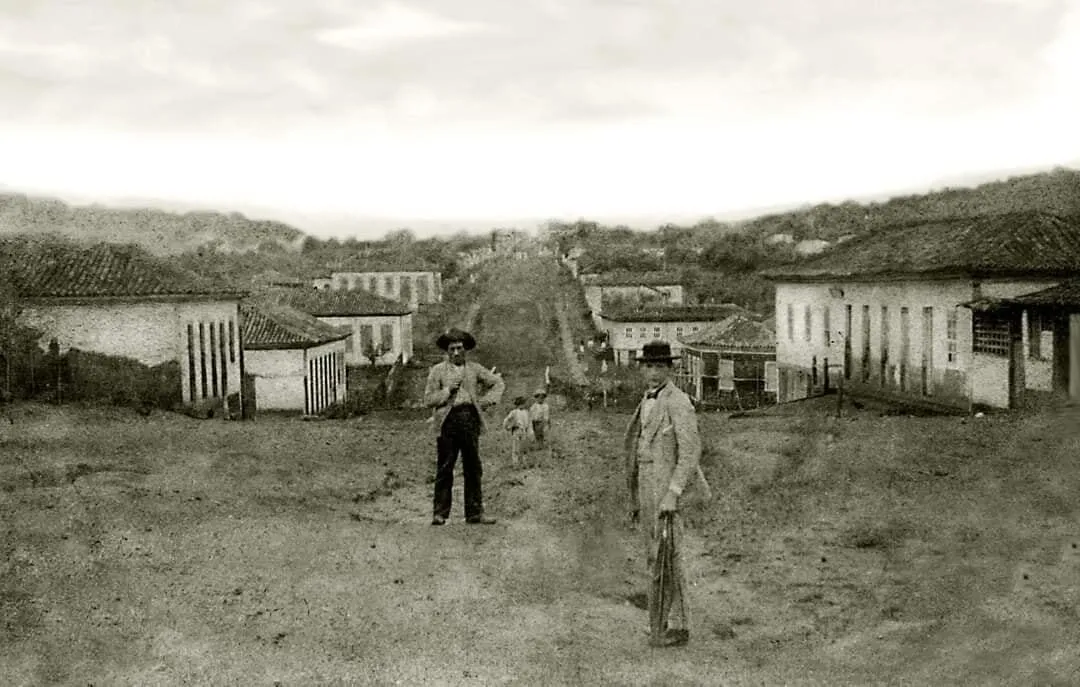
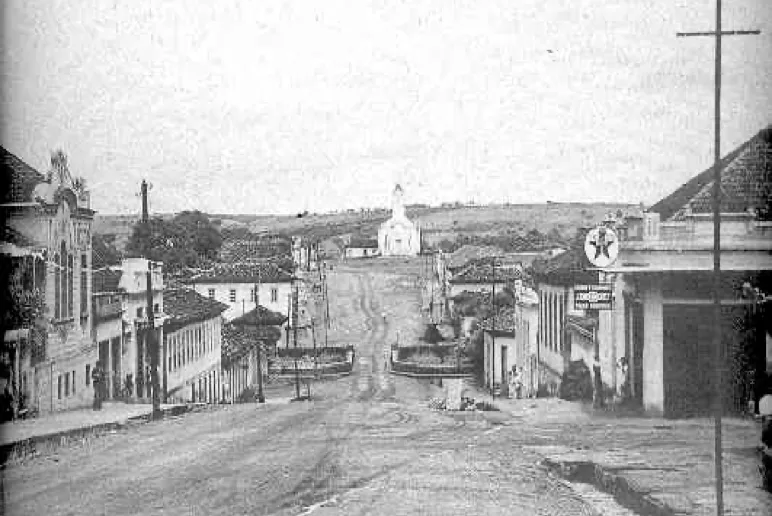
A street in Sacramento. Undated photograph from the collection.

Sacramento May 1, 1880

The town where it all began

Eurípedes was born in Sacramento on May 1, 1880. These streets give a sense of the town where he grew up.

Explore this topic

Read the accounts and see more images.

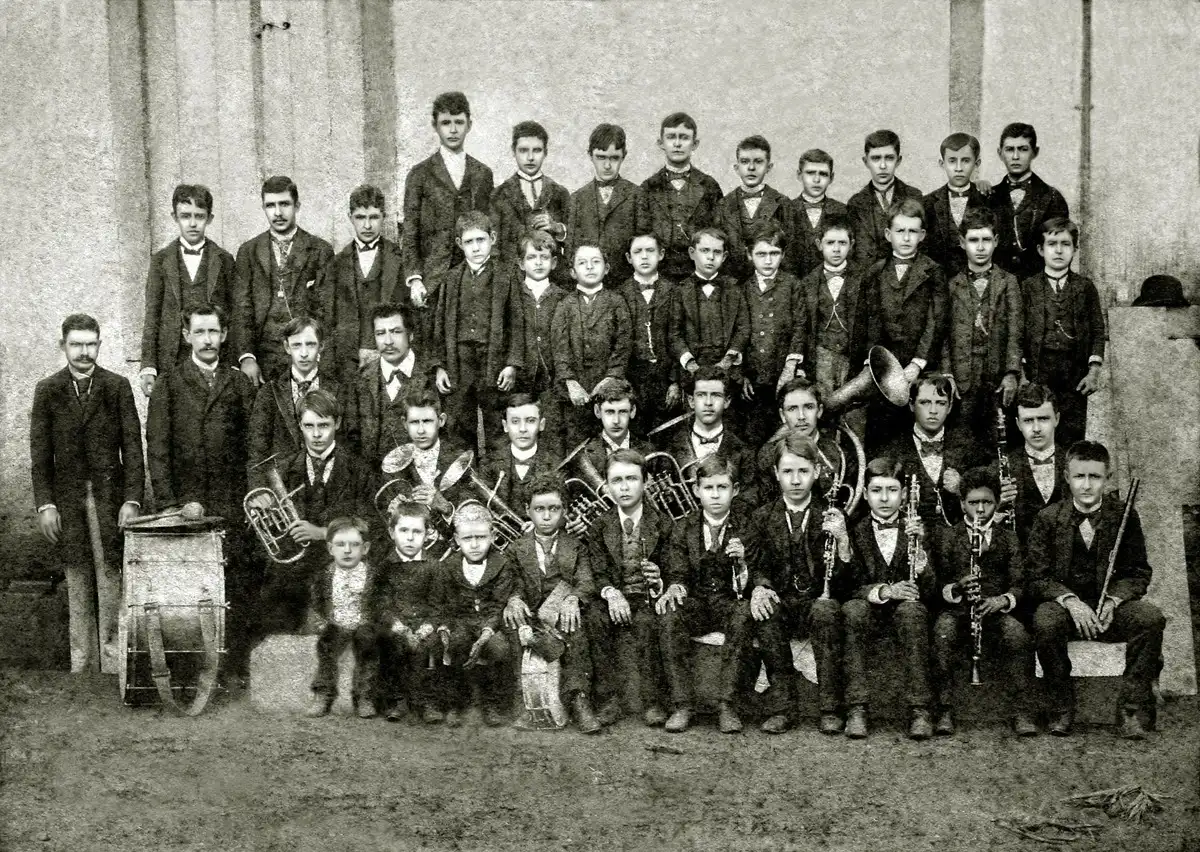
Colégio Miranda in 1895, the school Eurípedes attended.

Childhood and youth 1889–1902

His First Years at School

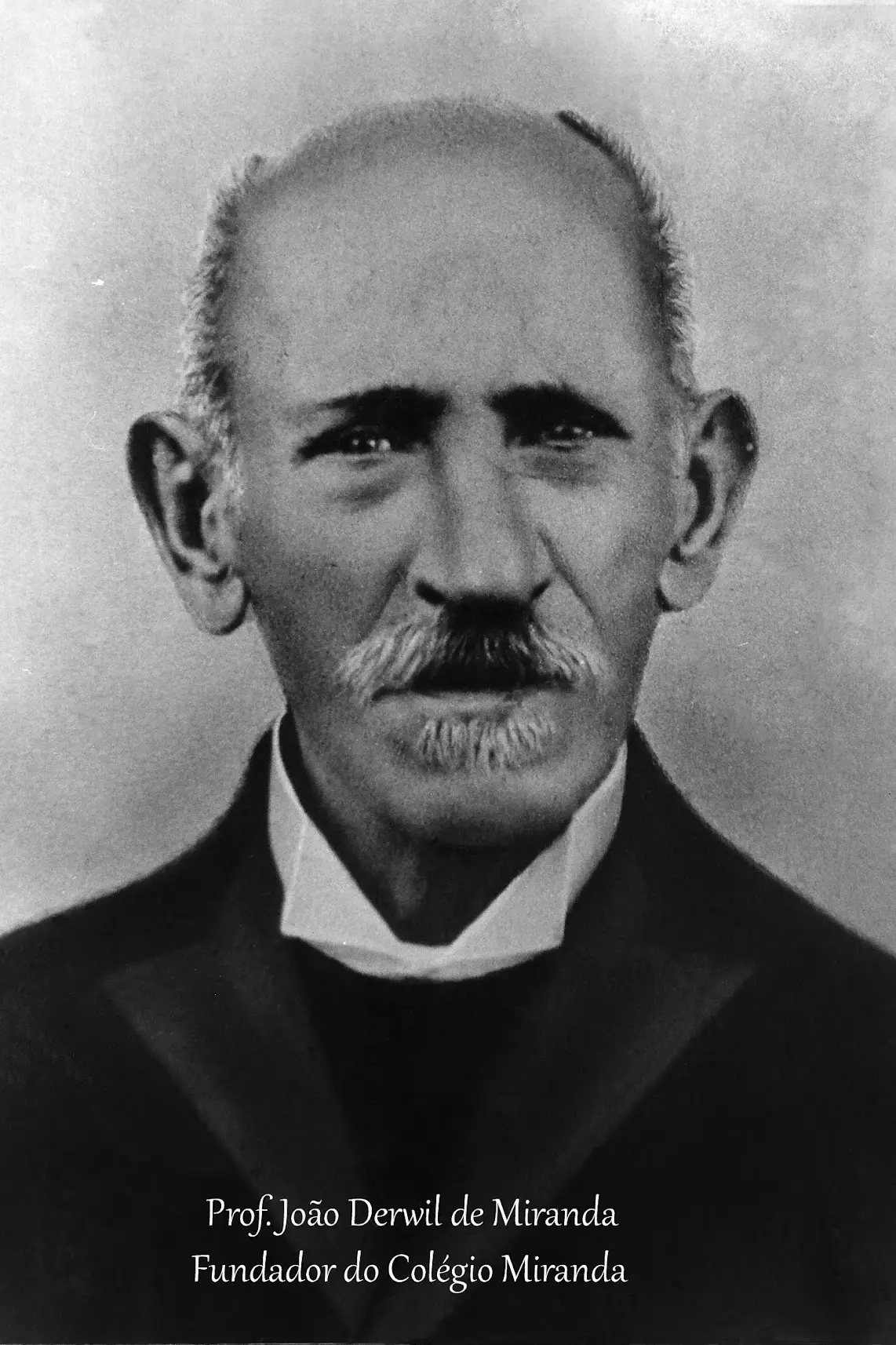
Eurípedes entered Colégio Miranda at the age of nine. There he studied under João Derwil de Miranda.

Explore this topic

Read the accounts and see more images.

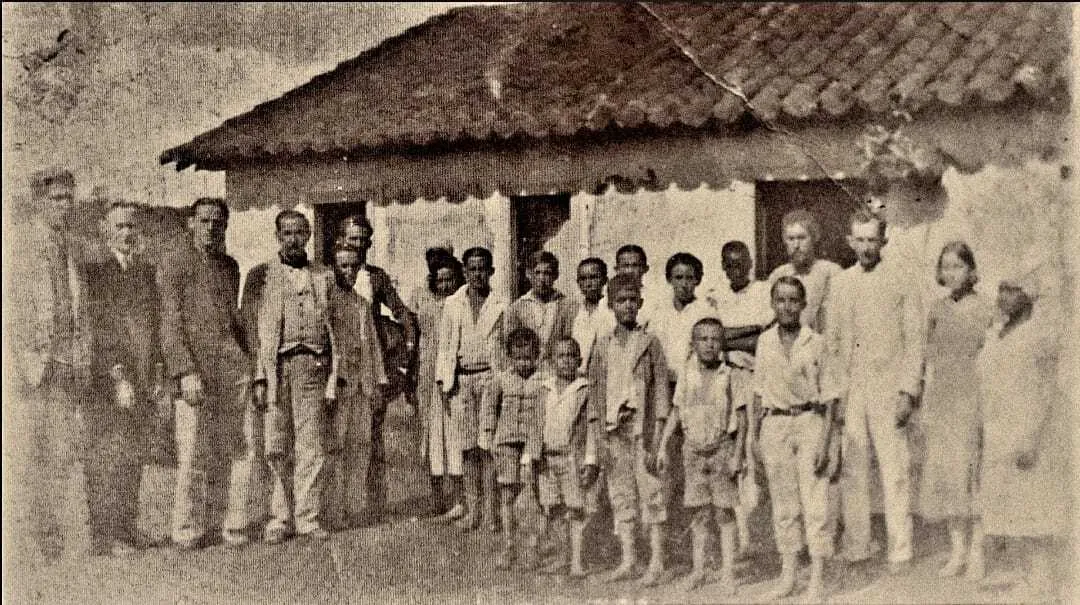
Residents outside Sinhô Mariano’s home in the early twentieth century.

Santa Maria First encounters with Spiritism

Conversations That Opened New Paths

While still Catholic, Eurípedes often discussed religion with his uncle, Sinhô Mariano. Over about four years, those conversations brought him closer to Spiritism.

Explore this topic

Read the accounts and see more images.

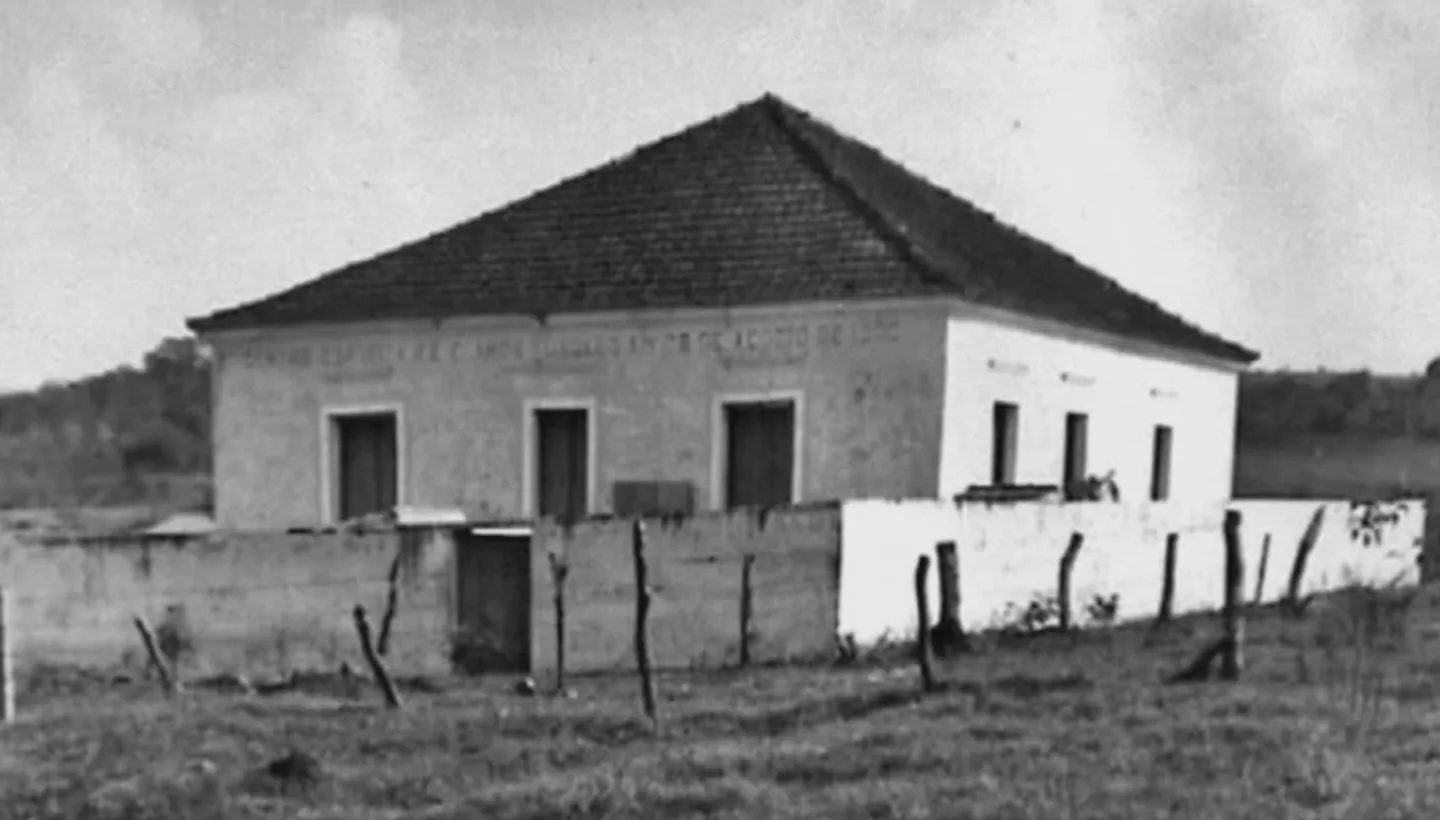
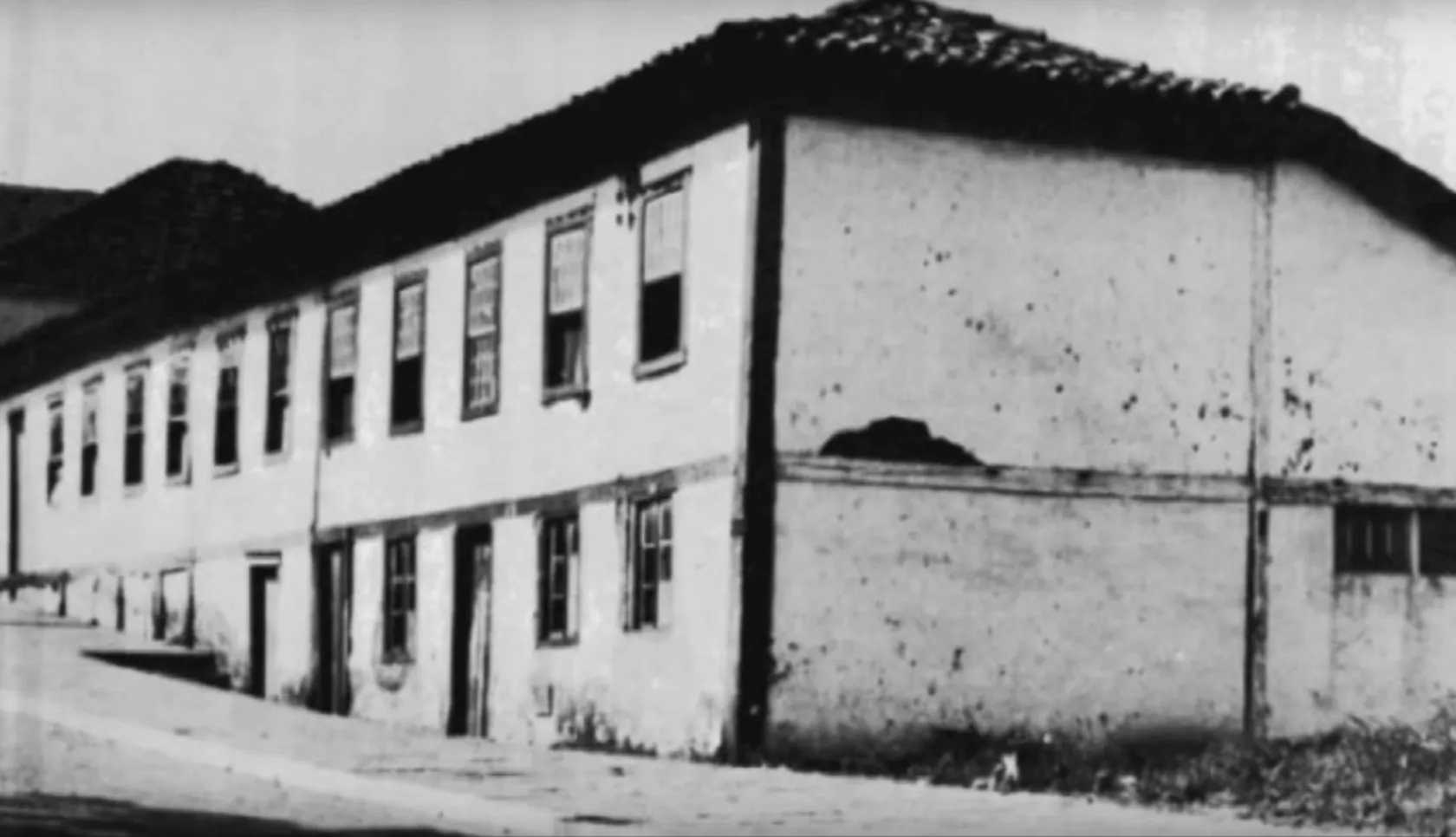
The Liceu Sacramentano building in a historical photograph.

Liceu Sacramentano January 31, 1902

His Start as an Educator

On January 31, 1902, Eurípedes and other teachers founded the Liceu Sacramentano, where he began his work as an educator.

Explore this topic

Read the accounts and see more images.

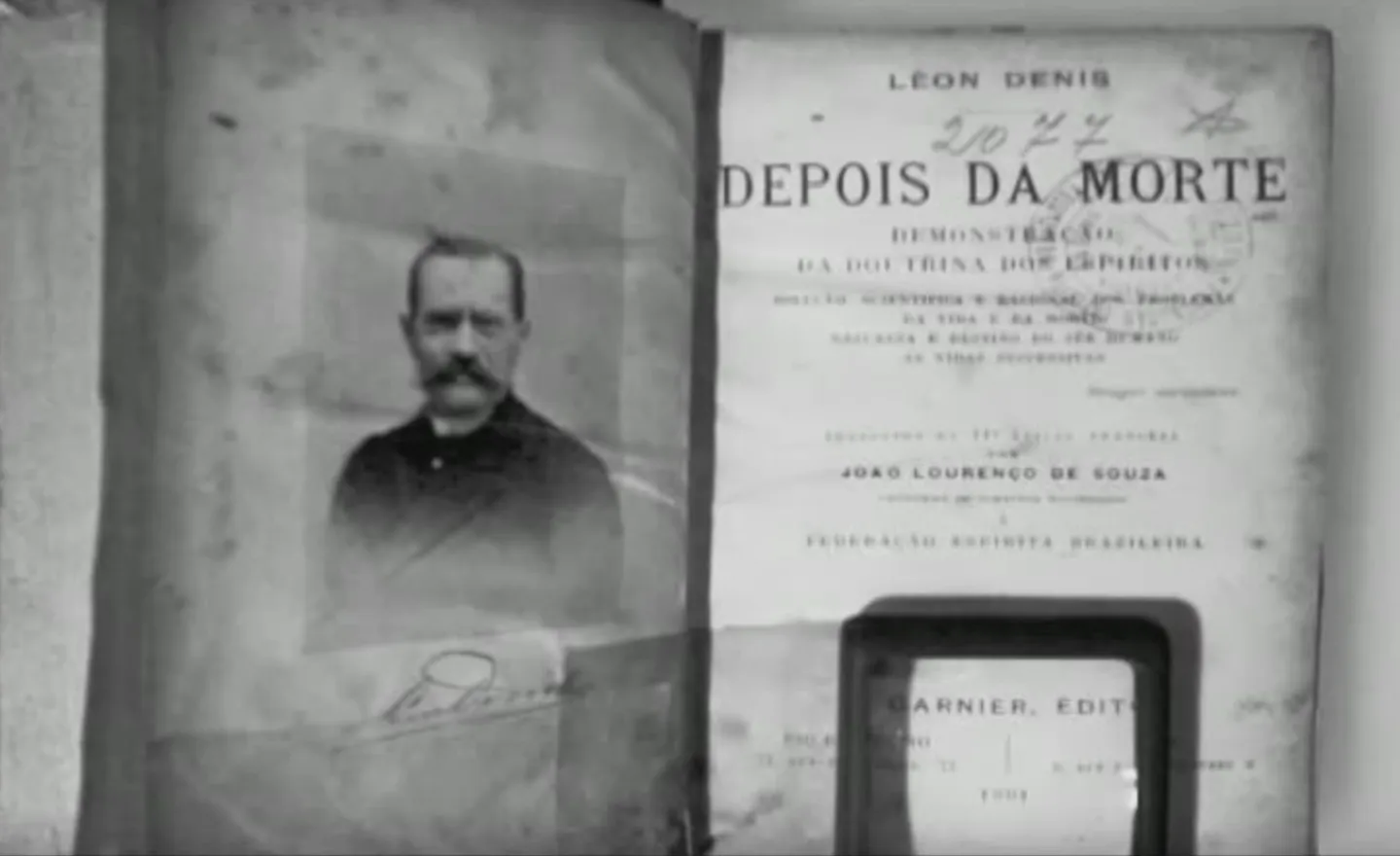
Léon Denis’s After Death, from the memorial collection.

Awakening to Spiritism 1903–1905

A night of reading

Uncle Sinhô introduced Eurípedes to After Death by Léon Denis. Eurípedes read it in a single night and was deeply impressed.

Explore this topic

Read the accounts and see more images.

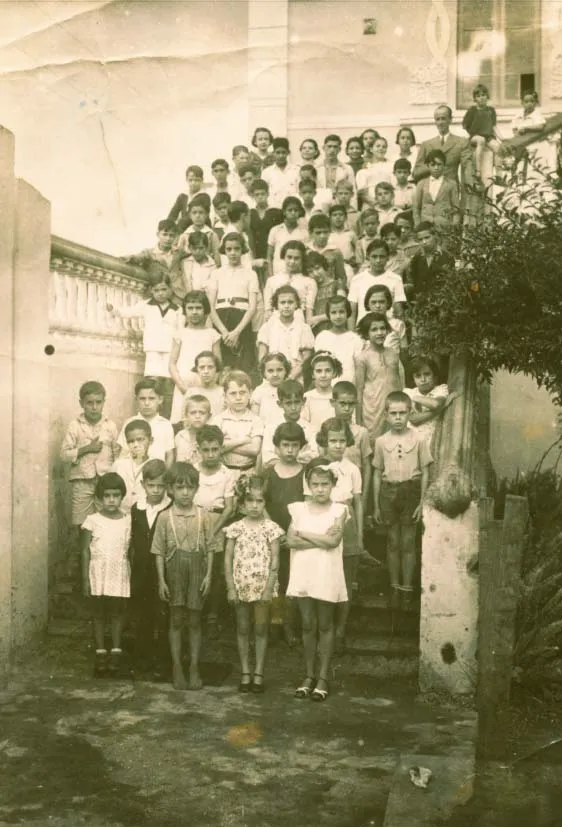
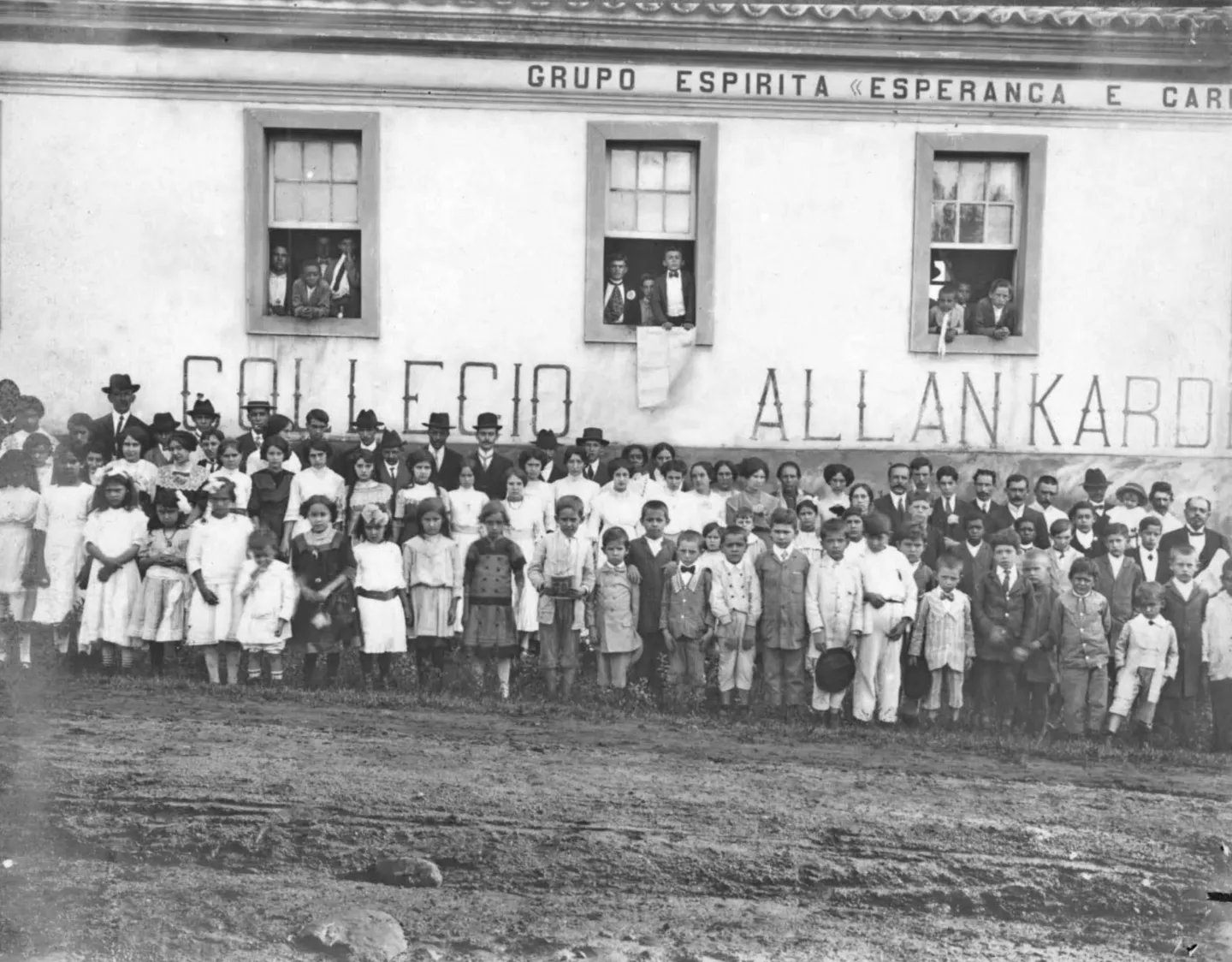
Pupils and teachers in front of Colégio Allan Kardec.

Colégio Allan Kardec April 1, 1907

Educating boys and girls

Eurípedes opened Colégio Allan Kardec on April 1, 1907. Thirty pupils, boys and girls, were among the first to enroll.

Explore this topic

Read the accounts and see more images.

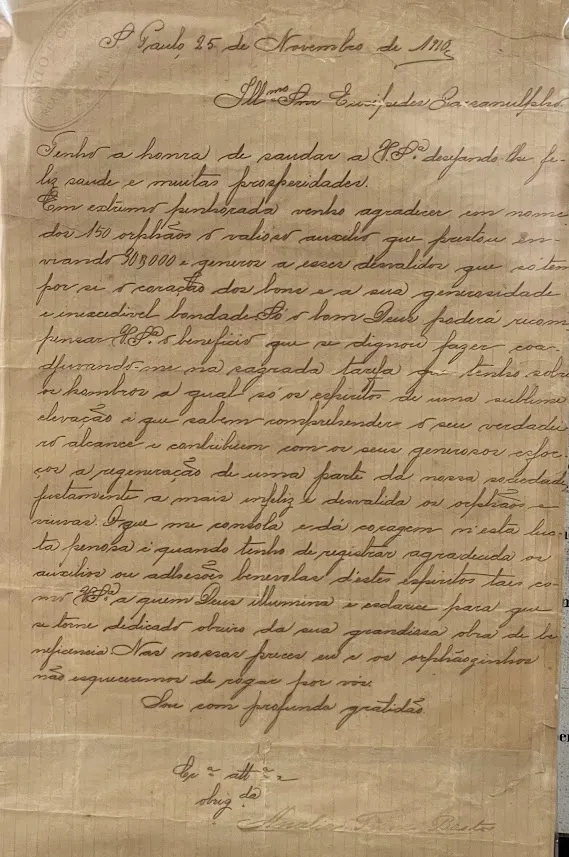
Letter from Anália Franco to Eurípedes, sent from São Paulo in 1910.

Letters and Care November 25, 1910

Letters of gratitude

Anália Franco thanked Eurípedes for helping the orphans she cared for.

The little orphans and I will remember to pray for you.Anália Franco, in a letter to Eurípedes
Explore this topic

Read the accounts and see more images.

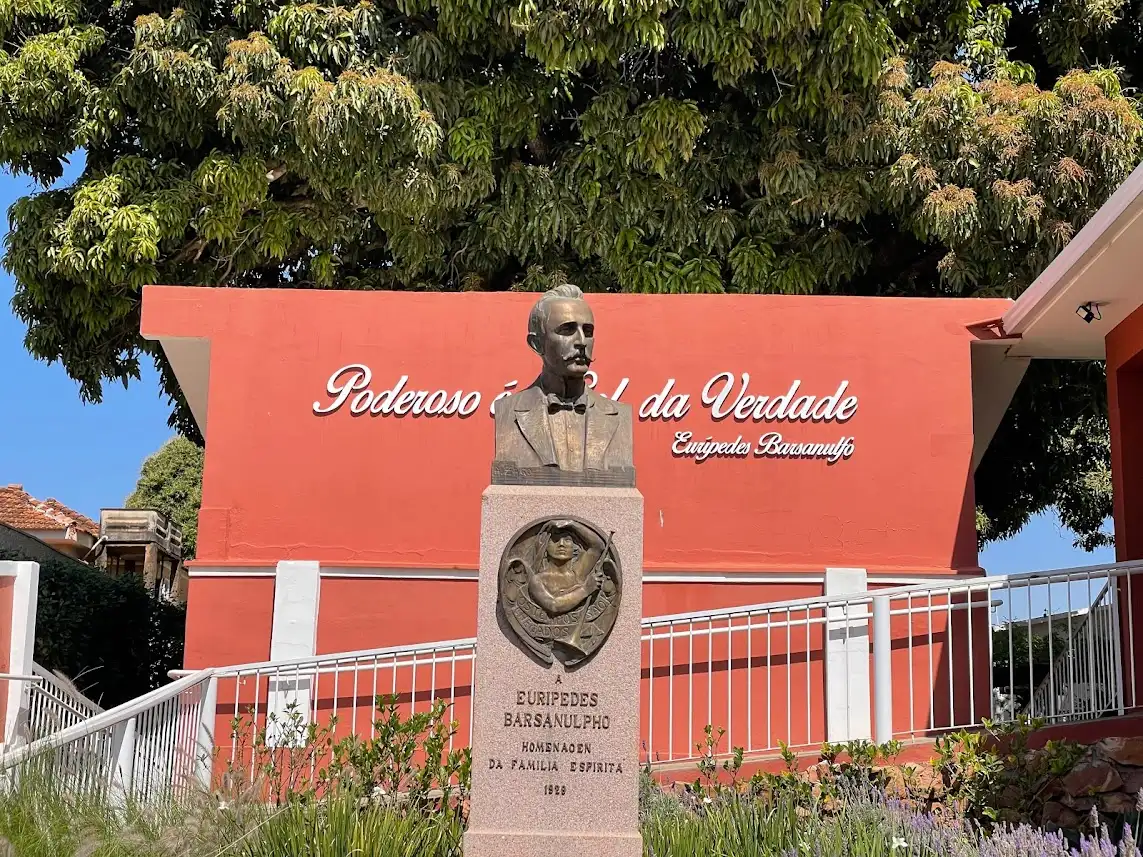
Memorial bust of Eurípedes Barsanulfo. Photograph from 2022.

Memory and continuity 1929–2022

Remembering Eurípedes

The memorial bust was unveiled in 1929. This photograph, taken in 2022, shows how the tribute has endured.

Explore this topic

Read the accounts and see more images.

Short biography

ROOTS AND CHILDHOOD (1880–1889)

  • May 1, 1880: Born in Sacramento, Minas Gerais, the third of 15 children.
  • His family had little money. His father was a shop clerk who earned 1,500 réis a day, and his mother was a devout Catholic.
  • He showed exceptional ability and could read fluently at five.
  • His childhood was marked by poverty and compassion for those who suffered.
  • 1885–1889: The family moved to Cipó and returned to Sacramento after he fell ill with malaria.

EDUCATION AND YOUTH (1889–1904)

  • 1889: He entered Colégio Miranda, where he received an education that the account describes as exemplary.
  • He tutored his classmates and served as an official speaker at civic events.
  • 1893: He founded Gazeta de Sacramento, the town’s first periodical.
  • 1891–1892: He co-founded Grêmio Dramático Sacramentano.
  • 1897: While still Catholic, he started a homeopathic pharmacy that dispensed medicine free of charge.
  • 1902: He abandoned his plans for medical school in Rio to stay with his mother, who was ill.
  • January 31, 1902: He became a teacher at Liceu Sacramentano.
  • A devout Catholic, he served as an altar boy and helped found the Brotherhood of Saint Vincent de Paul.

CONVERSION TO SPIRITISM (1904)

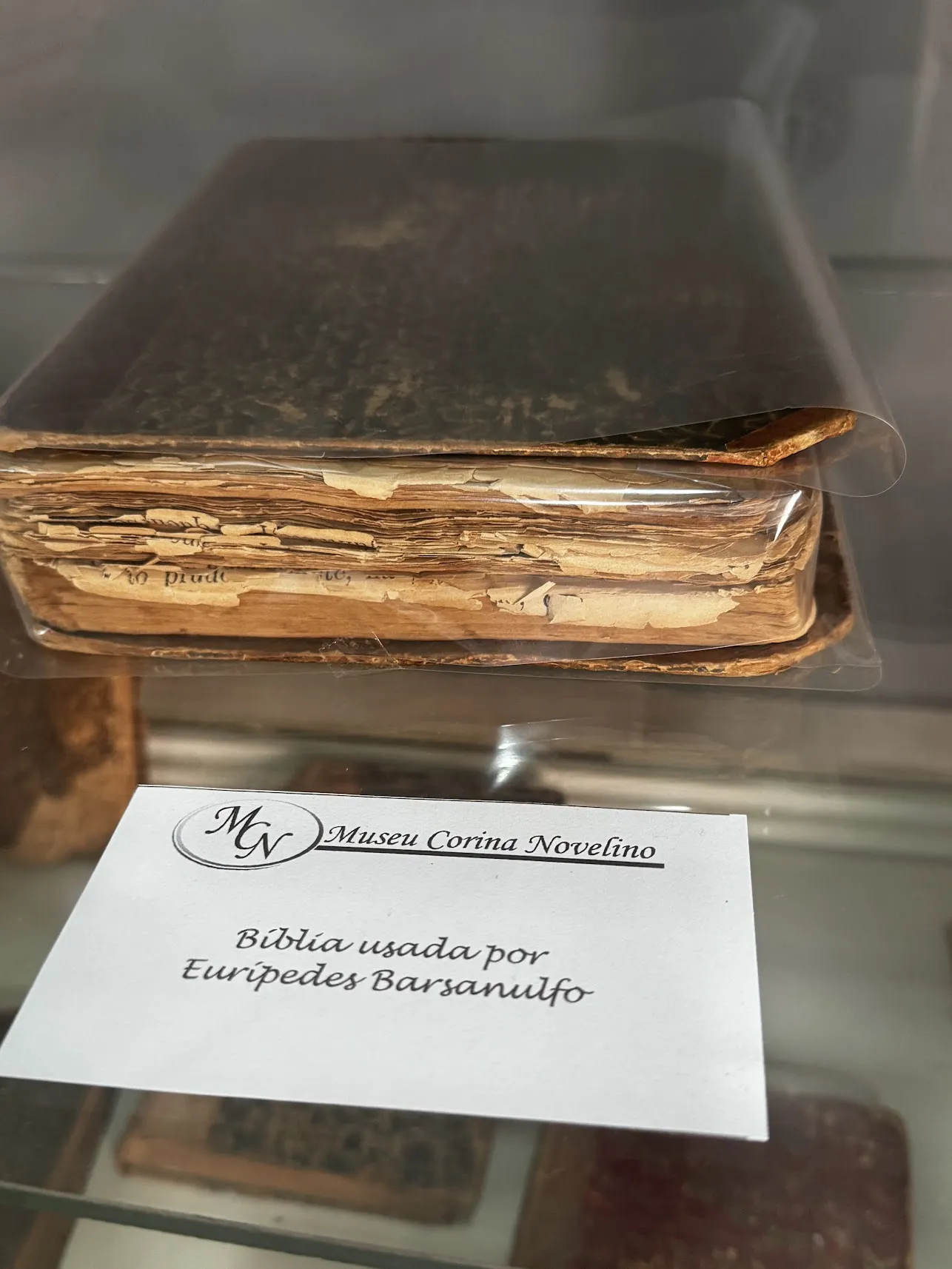
  • 1903: He received a Bible from Father Maia and read Léon Denis’s “After Death”.
  • Good Friday, 1904: He embraced Spiritism at a mediumship meeting in Santa Maria.
  • He heard the Beatitudes explained through a medium who could neither read nor write.
  • He received guidance about his mission in a message attributed to Vincent de Paul.
  • He left the Catholic Church and faced opposition from his family and the local community.

FOUNDING THE INSTITUTIONS (1905–1907)

  • January 27, 1905: He founded Grupo Espírita Esperança e Caridade.
  • Public mediumship activities began under spiritual guidance attributed to Vincent de Paul and Bezerra de Menezes.
  • January 31, 1907: He founded Colégio Allan Kardec, described in this account as Brazil’s first Spiritist school.
  • Its innovative approach brought boys and girls into the same classes, abolished corporal punishment and educated the whole child.
  • 1907: He founded Farmácia Espírita Esperança e Caridade, which provided prescriptions through mediumship free of charge.
  • The pharmacy drew people from across Brazil. The account reports that it sent out 500 prescriptions a day free of charge.

THE EDUCATOR (1907–1918)

  • His teaching methods included practical lessons, astronomy, laboratory work, a school garden and theater.
  • His approach relied on love instead of fear and encouraged natural curiosity and character development.
  • He abolished all corporal punishment and based education on dialogue.
  • The curriculum included Portuguese, French, mathematics, science, the Gospel and music.
  • In the account attributed to Corina Novelino, no child at Colégio Allan Kardec was punished. Eurípedes talked with pupils and explained things to them. Love achieved what violence never could.

THE MEDIUM (1905–1918)

  • Mediumistic abilities: Psychography (writing), psychophony (speech), clairvoyance, healing, premonition and out-of-body experiences.
  • Principal spiritual guides: Vincent de Paul, Bezerra de Menezes, John the Evangelist and the Virgin Mary.
  • He cared for hundreds of sick people daily.
  • Accounts of extraordinary healings were recorded across Brazil.
  • He attended to people with physical ailments and those understood in Spiritism to be experiencing spiritual obsession.
  • He was known as the “Apostle of the Triângulo Mineiro”.

PUBLIC SERVICE (1905–1910)

  • He served two terms as a municipal councilor (1905–1907 and 1908–1910).
  • His achievements included electric lighting, 14 km of railway, drinking water and a municipal cemetery.
  • He was the only councilor to defend a secular state (May 6, 1906).
  • September 23, 1910: He stepped down on ethical grounds, opposing the unlawful extension of council terms.
  • The account portrays him as a forward-looking councilor who acted consistently with his principles.

DEFENDING THE DOCTRINE (1913)

  • October 28, 1913: He debated Father Feliciano Iague in public.
  • He defined Spiritism as science, philosophy and religion.
  • October 31, 1913: He published his Creed, adapted from Emanuel Darcey.
  • He and the priest embraced, bringing the dispute to a respectful close.

PERSECUTION AND TRIALS (1917–1918)

  • October 22, 1917: A criminal complaint alleged that he had practiced medicine without a license.
  • Círculo Católico de Uberaba mounted a campaign to discredit him.
  • Hundreds of people testified on his behalf.
  • May 8, 1918: Judge Fernando de Mello Vianna ordered the case closed because the time limit for prosecution had expired. There was no ruling on the charge itself.
  • Many local people rallied in support of him.

DEATH (1918)

  • October 1918: The Spanish flu pandemic reached Sacramento.
  • He took on more patients even while ill himself.
  • October 23, 1918: According to Corina Novelino, he delivered his last funeral prayer at noon, at the burial of Mirena Bárbara.
  • He continued caring for people until he had no strength left.
  • November 1, 1918, at 6 a.m.: He died at 38 years of age.
  • In the words attributed to him at the end of his life, he was going to the Father, his mission was complete, and he would return in spirit to help those who carried on the work.
  • The whole town accompanied the funeral procession.

AN ENDURING LEGACY (1918–PRESENT)

  • Those who continued his work: His brother Homilton Wilson and Corina Novelino.
  • Institutions still active: Grupo Espírita Esperança e Caridade (1905), Lar de Eurípedes (1952) and Escola Eurípedes Barsanulfo (1975).
  • 1979: Corina Novelino’s biography “Eurípedes, o Homem e a Missão” was published.
  • Messages recorded by Chico Xavier through psychography were taken as confirmation of the continuation of the work in spirit.
  • In a remark attributed to Chico Xavier, the greatness of Eurípedes’s mission on Earth prompted him to compare writing Eurípedes’s biography to writing the life of Jesus himself.

VIRTUES AND CHARACTER

  • Deep humility, love of others, wisdom, courage and patience.
  • Selfless generosity, providing everything free of charge, and unwavering faith.
  • Devotion to family and a love of nature.
  • He lived only 38 years, and his life continues to inspire new generations.

📖 Principal source: “Eurípedes, O Homem e a Missão” (Corina Novelino, 1979)
Photographs

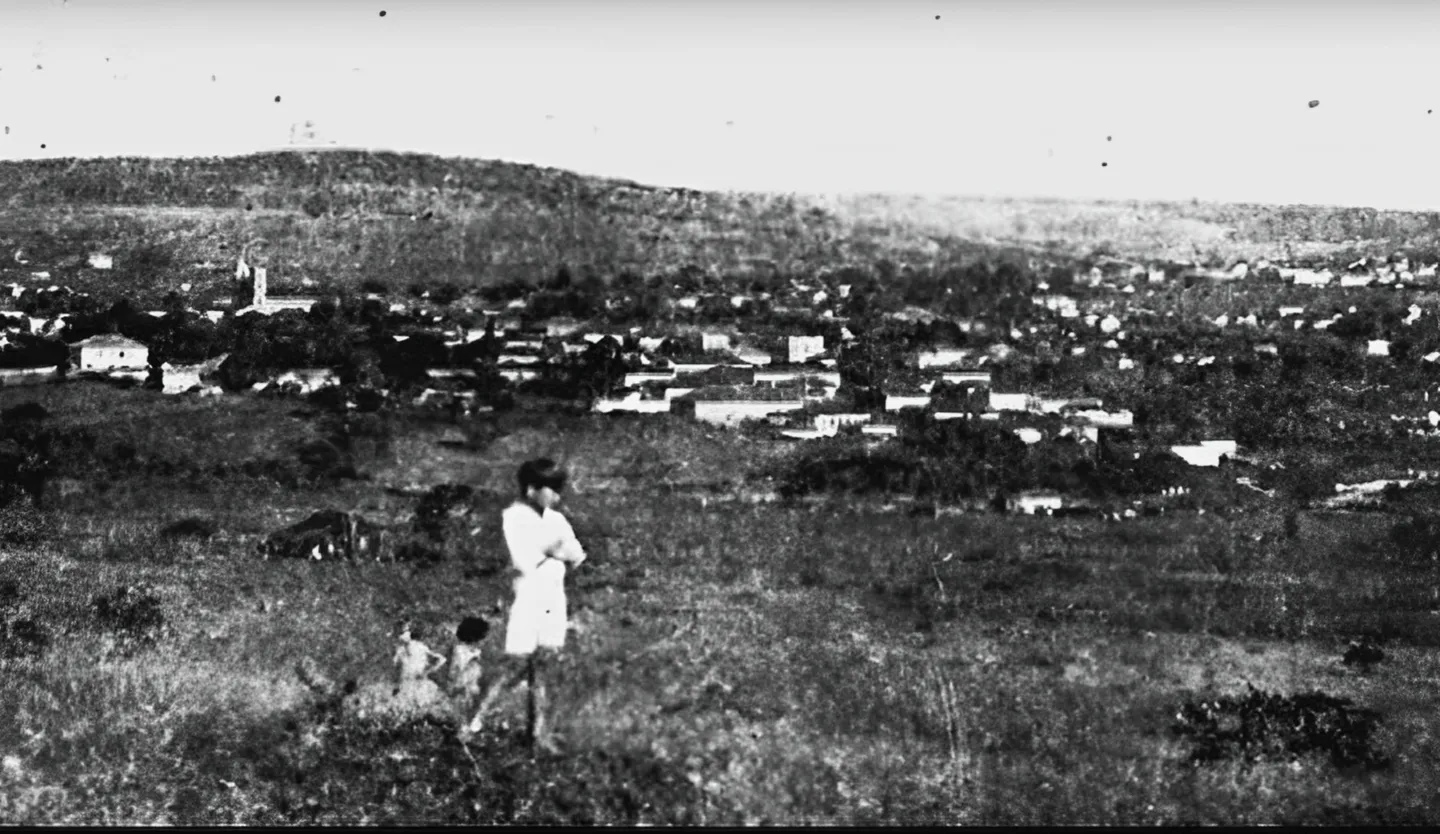
Photographs of Sacramento, Minas Gerais, from the late 19th and early 20th centuries

You’ve reached the end of this topic.

The parents of Eurípedes Barsanulfo

Hermógenes Ernesto de Araújo (“Mogico”) and Jerônima Pereira de Almeida (“Meca”) married in 1874.

Birth of Eurípedes Barsanulfo

May 1, 1880: Birth in Sacramento, Minas Gerais

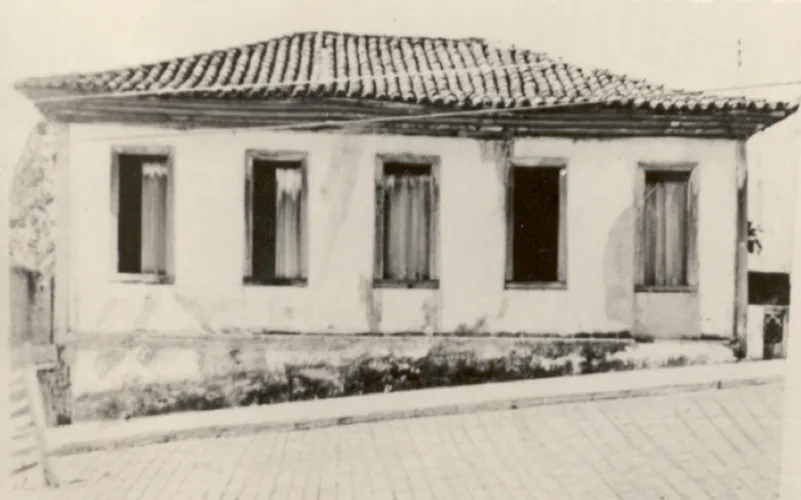
Eurípedes Barsanulfo was born on May 1, 1880, in a house at the corner of Rua Principal and its cross street, Major Lima.

Source: NOVELINO, 1979, p. 27. He was born in a modest house in the center of Sacramento, Minas Gerais, a small town that had become a municipality only a decade earlier.

Roque Jacintho offers an explanation for the names: Eurípedes recalls the Greek tragedian Euripides, a contemporary of Socrates, and Barsanulfo recalls a first-century Christian martyr (JACINTHO, Roque, 1987, p. 22). These unusual names suggest the family had some learning despite its modest circumstances.

Eurípedes was born at a particularly difficult time for the family. They barely had enough money for food, and Dona Meca was in poor health and suffered frequent episodes of illness.

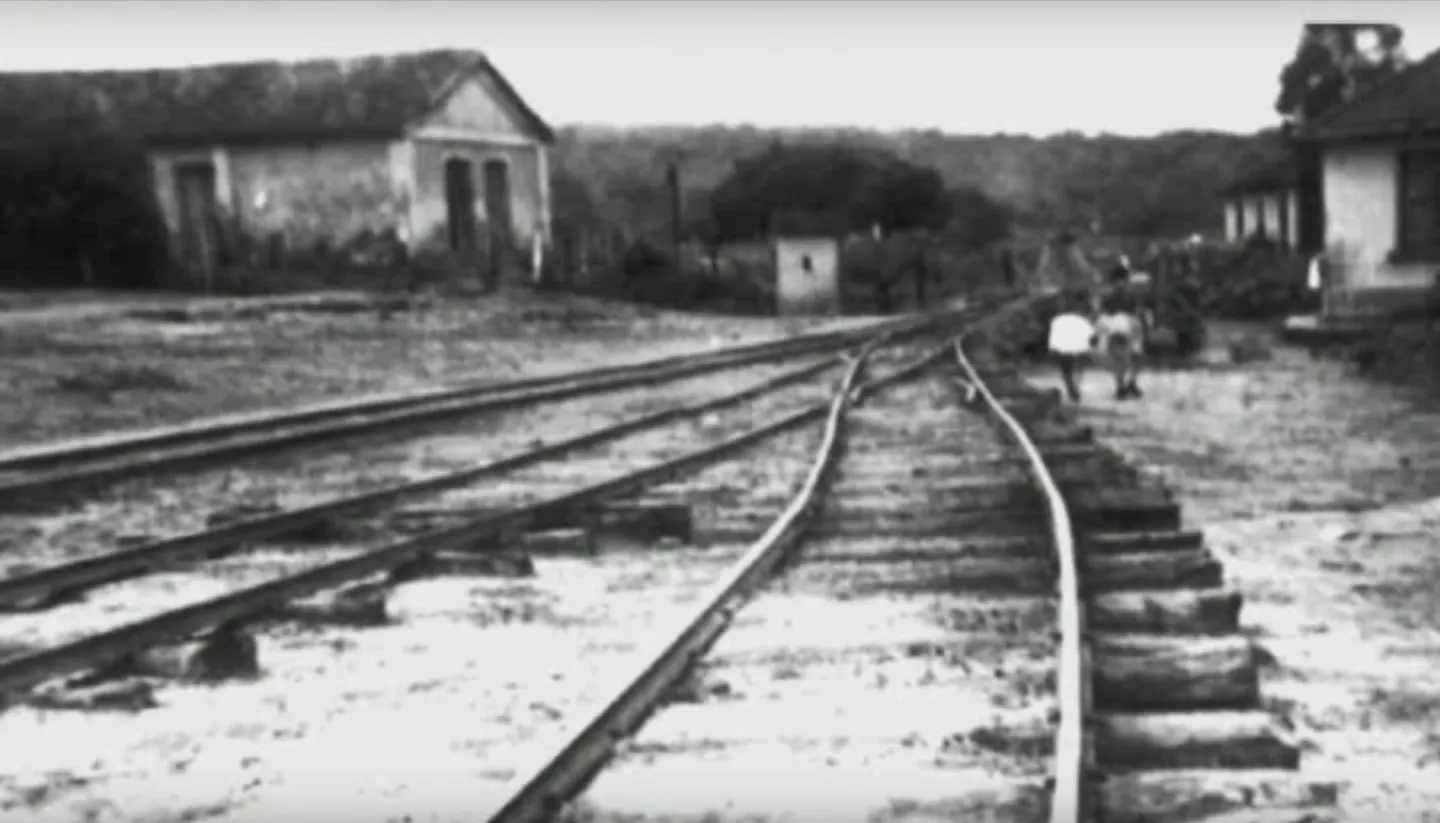
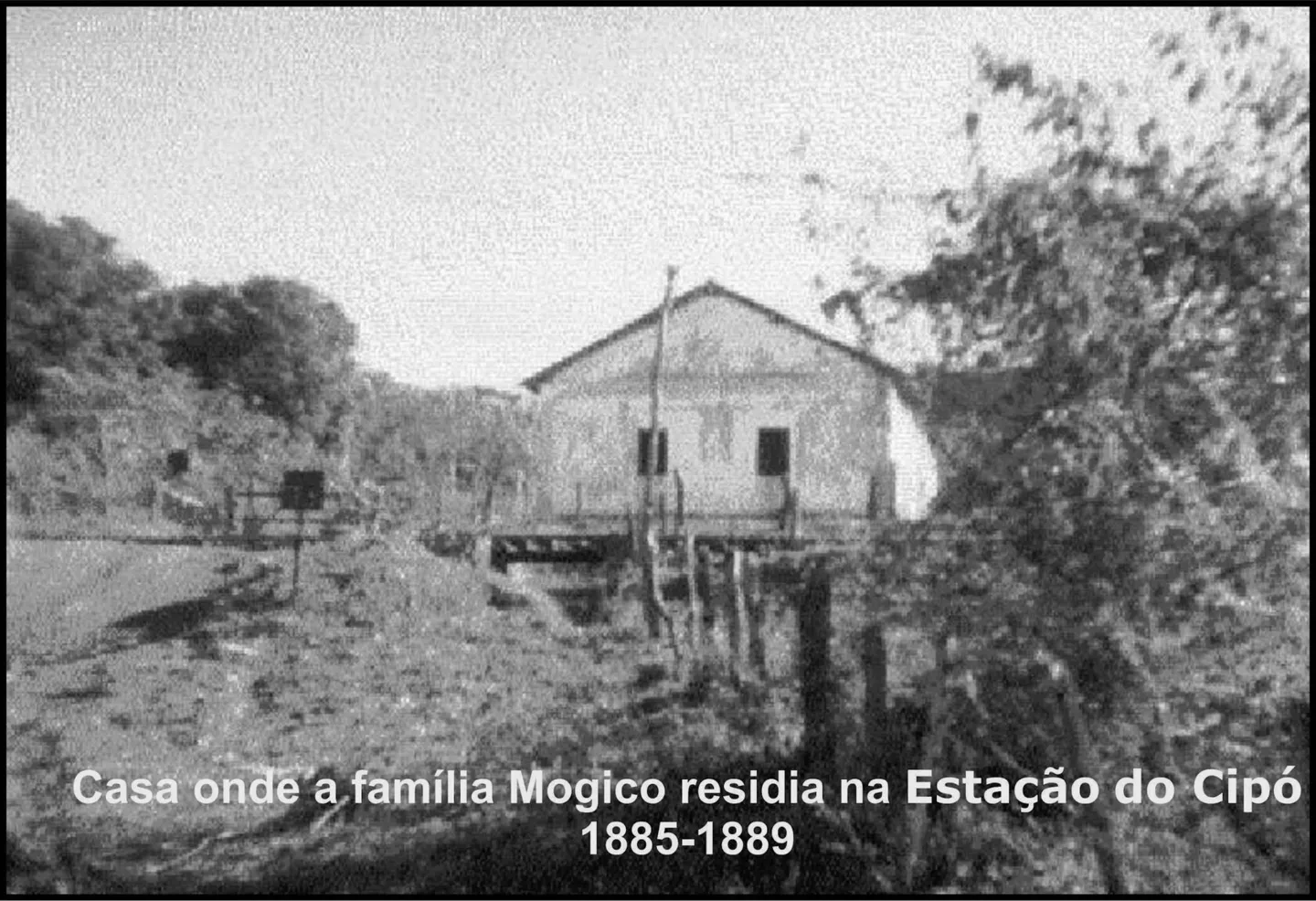
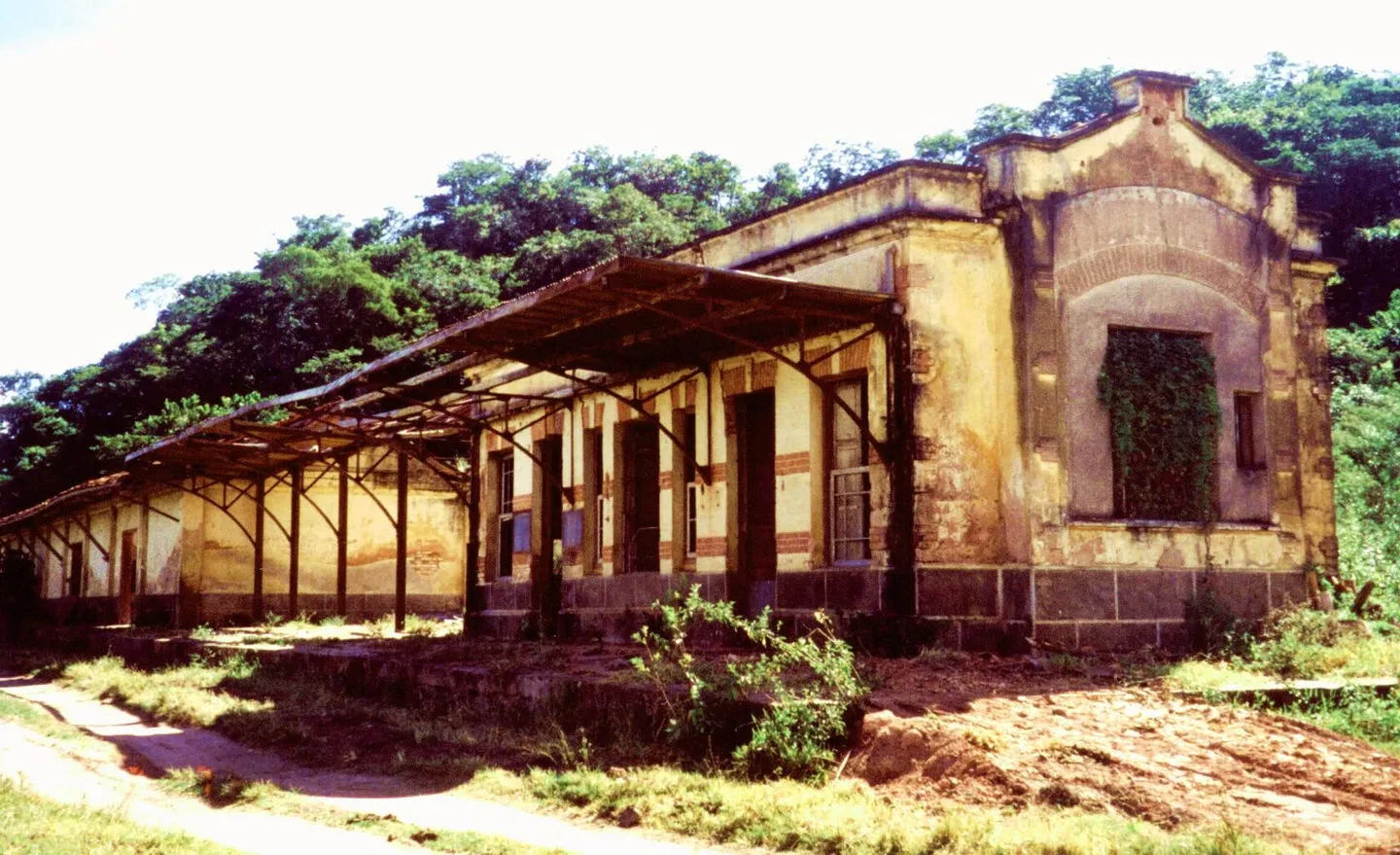
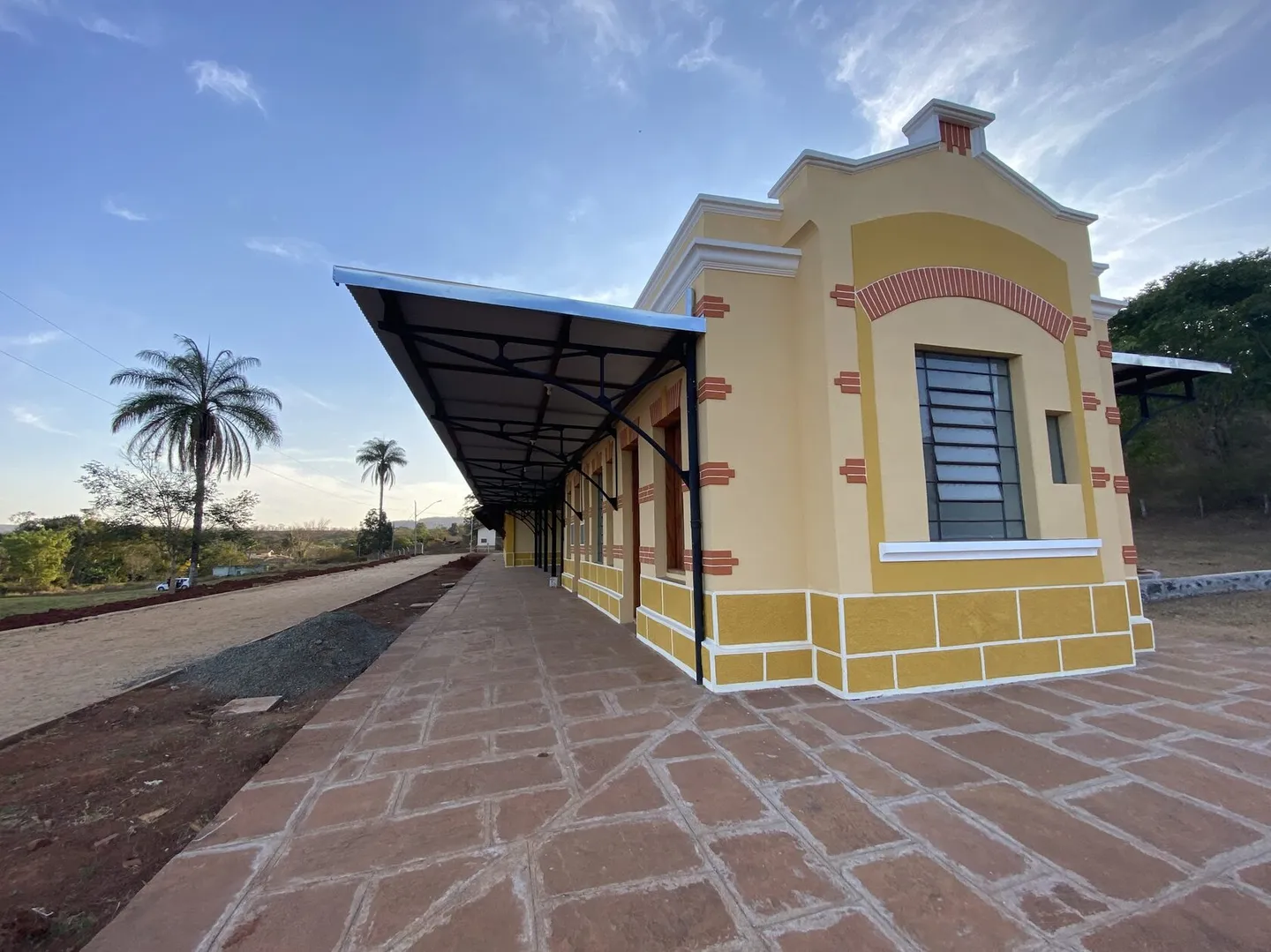
Cipó Station

In 1885, Mogico’s family moved to the Cipó area, 14 km from Sacramento, Minas Gerais.

1889: Return to Sacramento and the Start of School at Colégio Miranda

In 1889, at the age of nine, Eurípedes began studying at Colégio Miranda, a prominent school in Sacramento run by João Derwil de Miranda.

Photo: Colégio Miranda, 1895

Youth and Education

1893–1902: Eurípedes Barsanulfo’s intellectual, social and professional development

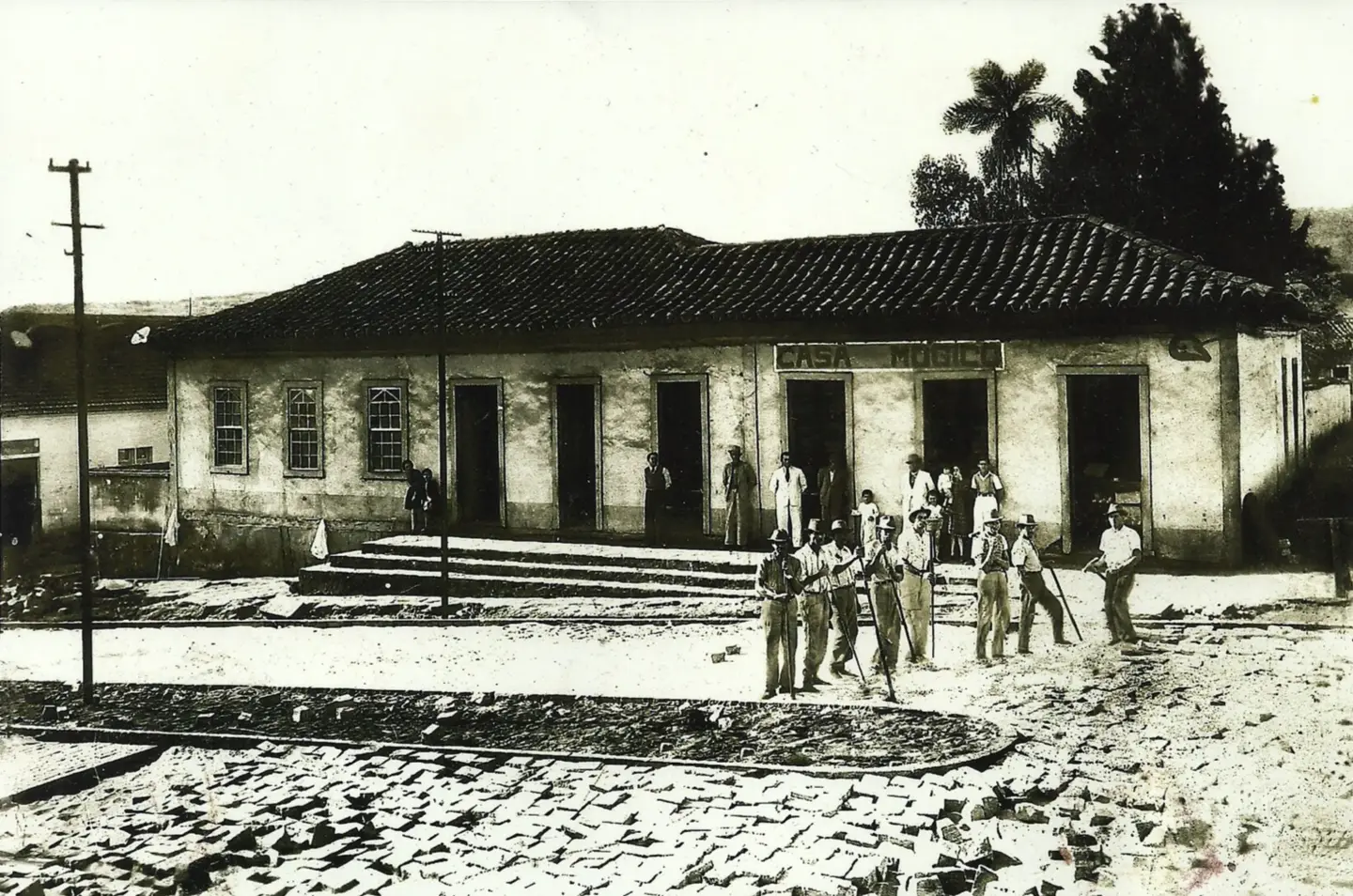
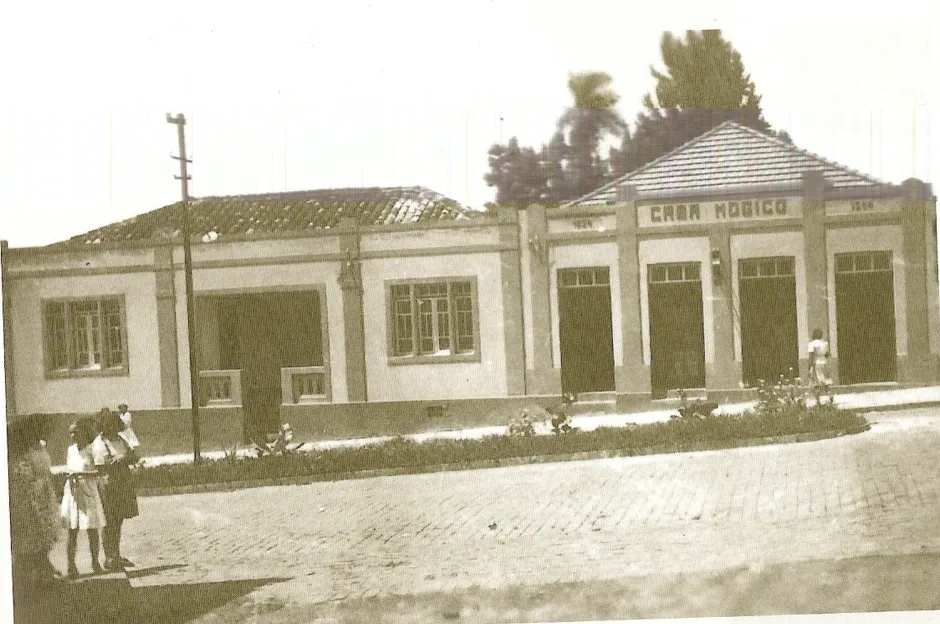
Casa Mogico in 1940, the family home where Eurípedes Barsanulfo grew up, next to his father’s shop.

Casa Mogico in 1940. Eurípedes Barsanulfo grew up in this house, next to his father’s shop, also called Casa Mogico. He worked there as a bookkeeper.

Historical photograph of houses in Sacramento

You’ve reached the end of this topic.

The Origins of Spiritism in Santa Maria

At the end of the nineteenth century, reports of unexplained phenomena in the rural community of Santa Maria marked the beginning of a chapter in the history of Spiritism in Brazil. Santa Maria lies 14 km from Sacramento and four kilometers from Conquista, in Minas Gerais.

Portrait of Frederico Peiró

Frederico Peiró

Born in Linhares, Spain, in 1859
Died in Sacramento, Minas Gerais, on October 25, 1915

As unexplained events unfolded in Santa Maria, Mariano da Cunha Júnior thought of his former employer, Frederico Peiró. Peiró lived in Paineiras, now known as Peirópolis, about 28 km from Uberaba.

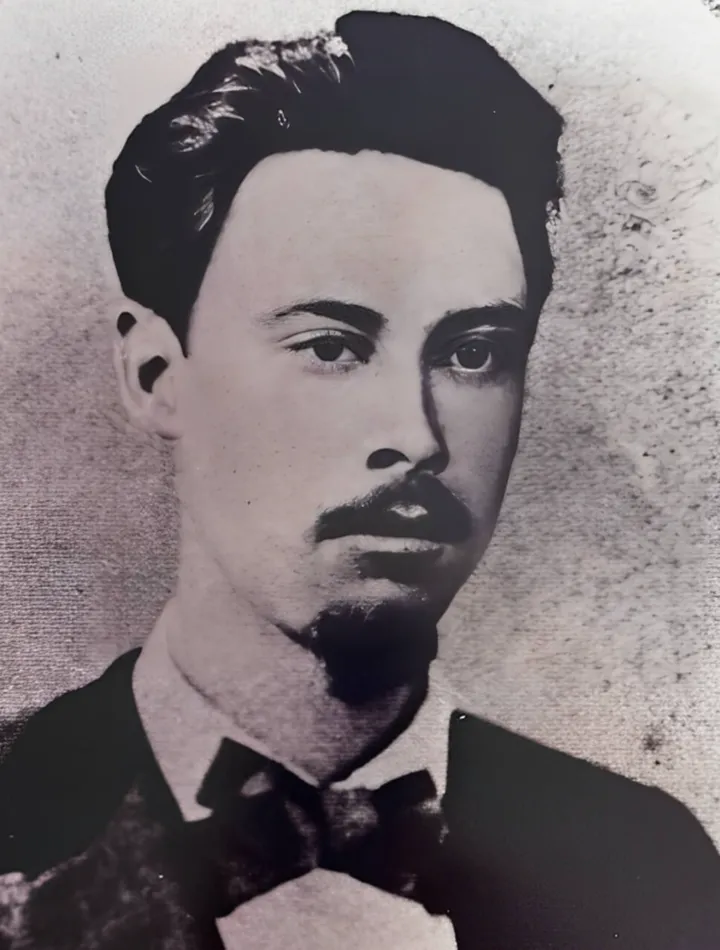
Portrait of Mariano da Cunha Júnior (Tio Sinhô)

Mariano da Cunha Júnior ("Tio Sinhô")

November 19, 1875
April 27, 1949

Mariano da Cunha Júnior, known as Sinhô Mariano, was born in Sacramento, Minas Gerais, on November 19, 1875. He died at Fazenda Santa Maria, in the same municipality, on April 27, 1949.

As unexplained events unfolded in Santa Maria, Mariano da Cunha Júnior thought of his former employer, Frederico Peiró. Peiró lived in Paineiras, now known as Peirópolis, about 28 km from Uberaba.

Residents of Santa Maria, Sacramento, in front of Sinhô Mariano da Cunha’s house in the early twentieth century.

Residents of Santa Maria, Sacramento, in front of Sinhô Mariano da Cunha’s house in the early twentieth century.

In the local oral account, Sinhô Mariano began holding Spiritist meetings here on August 28, 1900. He invited Frederico Peiró to take part. During a meeting, instructions were attributed to Bezerra de Menezes, a physician who had died in Rio de Janeiro that April. The recollection gives April 29 as the date of his death.

Source: Recollections of local residents who were struck by phenomena beyond the common understanding of the time.

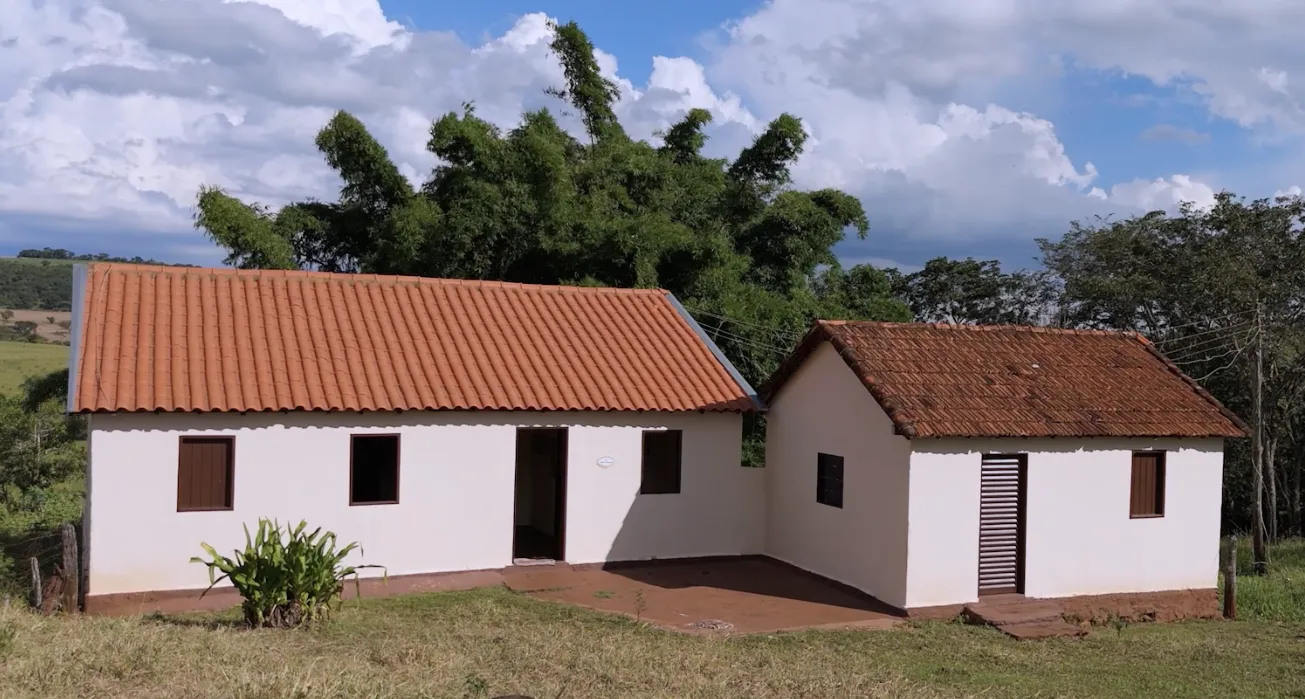
Mariano da Cunha’s house in 2025. It served as a home, Spiritist center, pharmacy and shelter.

Mariano da Cunha’s house in 2025. It served as a home, Spiritist center, pharmacy and shelter.

Centro Espírita Fé e Amor. The expansion that gave the center its present layout was completed around 1930.

Centro Espírita Fé e Amor. The expansion that gave the center its present layout was completed around 1930. The center developed in several stages over the years.

You’ve reached the end of this topic.

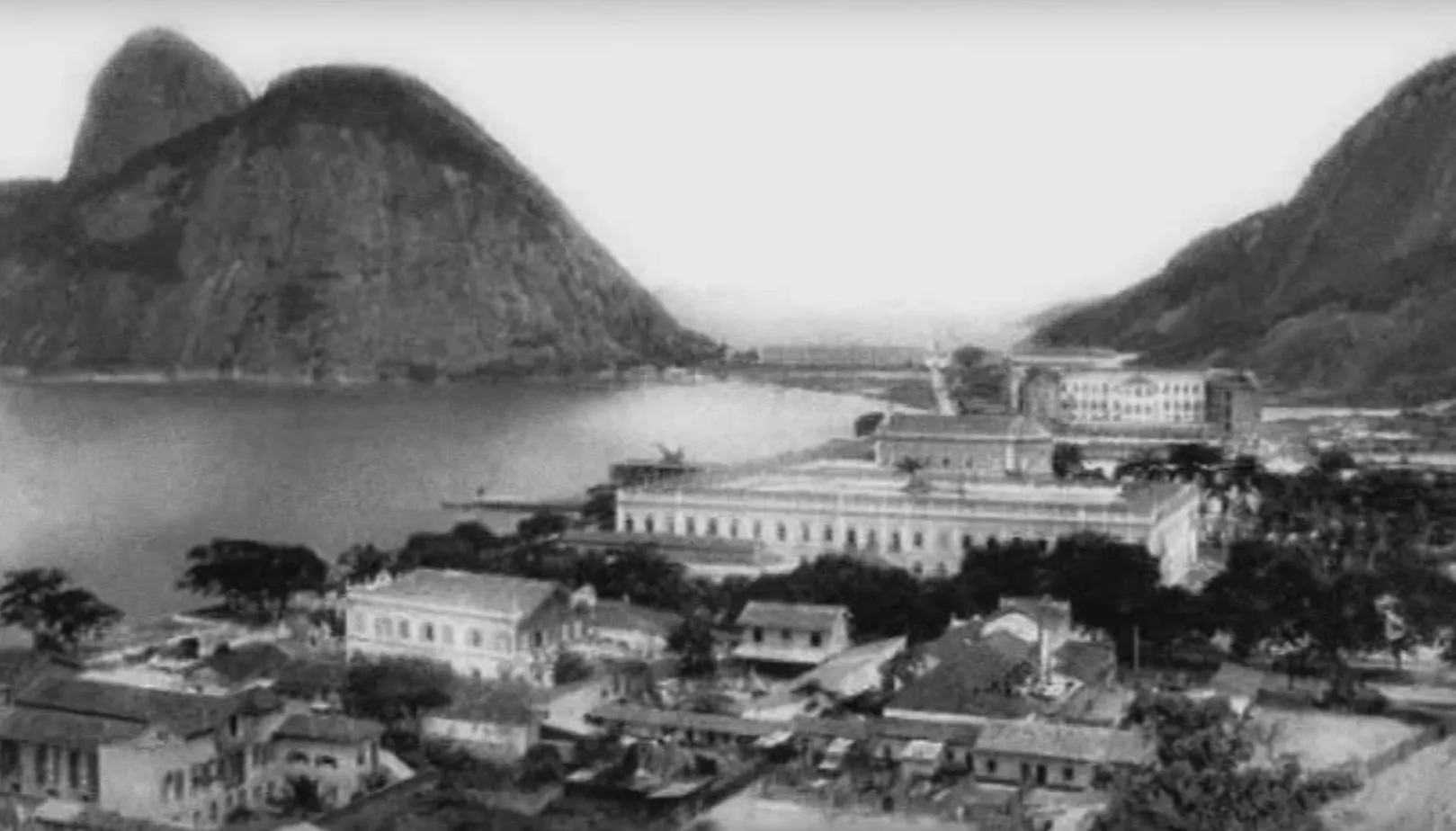
A Trip to Rio de Janeiro to Study Medicine

In 1902, Eurípedes and his father, Hermógenes Ernesto de Araújo, traveled to Rio de Janeiro, then the capital of the Republic. Their main purpose was to prepare Eurípedes for medical school. His hope of becoming a physician would go unfulfilled.

His mother Dona Meca’s health required him to return to Sacramento and take on family responsibilities, putting his plans to study in the capital on indefinite hold.

In giving up those plans out of love and understanding, Eurípedes showed the devotion to family and selflessness that would guide his later decisions. He went on to serve his home town as an educator and medium.

January 31, 1902: Founding of the Liceu Sacramentano

The Start of a Career in Education

The founding of the Liceu Sacramentano on January 31, 1902, was a turning point for Eurípedes Barsanulfo. The school, established by Eurípedes and other local teachers, marked the start of his permanent commitment to education.

You’ve reached the end of this topic.

Eurípedes’s Awakening to the Spiritist Doctrine

1903–1905: A period of spiritual transformation that changed the course of Eurípedes Barsanulfo’s life

The founding of the Liceu Sacramentano on January 31, 1902, was a turning point for Eurípedes Barsanulfo. The school, established by Eurípedes and other local teachers, marked the start of his permanent commitment to education.

After Death, by Léon Denis

After Death, by Léon Denis
Antônio Luís Saião gave the book to Mariano da Cunha, who introduced Eurípedes to it. Eurípedes read it in a single night and was deeply impressed by what he read.

I dedicate these pages to the noble and great Spirits who revealed to me the august mystery of destiny and the law of progress in immortality; whose teachings strengthened in me a sense of justice, a love of wisdom and a devotion to duty; whose voices dispelled my doubts and quieted my anxieties; and to the generous souls who sustained me in struggle, comforted me in adversity and raised my thoughts to the radiant heights where Truth dwells.

Source: Léon Denis, dedication to After Death

Good Friday, 1904

The Visit to Santa Maria

Eurípedes invited his friend José Martins Borges to attend a Spiritist meeting with him in Santa Maria.

I understood everything in the Bible, but my understanding is closed to the Beatitudes. If it is true that Spirits communicate with the living, I ask John the Evangelist to enlighten me through the medium Aristides.

Attributed to: Eurípedes Barsanulfo, at the Spiritist meeting in Santa Maria

Days later…

Return to Santa Maria

In the biographical account, a deeply moving revelation is attributed to Vincent de Paul: he had been Eurípedes’s spiritual guide since birth.

The message invited Eurípedes to resign from the congregation without regret or resentment and to leave the Church. It asked him to create a new institution founded on Christ, with Vincent de Paul as spiritual director and Eurípedes in charge of its work on earth.

Attributed to: Vincent de Paul, in the account of Eurípedes’s return to Santa Maria

The message urged him to hear the fireworks, church bells and sacred music without bitterness or longing. The Lord, it said, offered a wider field of service and called him to put love into action.

Attributed to: Vincent de Paul, in the account of Eurípedes’s return to Santa Maria

The message warned him that doors in Sacramento would close to him, friends would withdraw and even his family would rebel. It urged him to proclaim the truth, for the responsibilities of his Spirit had grown beyond measure.

Attributed to: Vincent de Paul, in the account of Eurípedes’s return to Santa Maria

The message warned of bitter times ahead, when friends would ridicule a position they did not understand.

Attributed to: Vincent de Paul, in the account of Eurípedes’s return to Santa Maria

Eurípedes
declares himself a Spiritist

Ties Are Broken

  • According to the account, members of the congregation called Eurípedes mad and accused Spiritism of driving people insane.

    Words attributed to members of the Vincentian congregation

  • Eurípedes is said to have replied that it was a blessed kind of madness, one that allowed him to distinguish error from truth and exchange deceit for the reality of the Spirit.

    Eurípedes Barsanulfo

You’ve reached the end of this topic.

Founding of Grupo Espírita Esperança e Caridade

January 1905

On January 27, 1905, Eurípedes founded Grupo Espírita Esperança e Caridade at his home in Sacramento. The formal inauguration drew 84 people, a substantial attendance for a first Spiritist meeting in an inland town at the time.

Grupo Espírita Esperança e Caridade was recently established in the town of Sacramento, at the home of our fellow member Euripedes Barsanulpho. Eighty-four people attended the inauguration, a sizable gathering for a first meeting in an inland town.

Source: Reformador, 1906

The Spiritist group became the center from which Eurípedes’s charitable and educational work grew. It was also in this setting that he started the Spiritist pharmacy, where he prepared homeopathic medicines and cared for people in need free of charge.

We should add that, to our knowledge, our fellow member who led this founding is a Spiritist as intelligent as he is modest and devoted. He has kept a homeopathic pharmacy for the sick and needy and now has all the more reason to continue. It is worth noting that in August alone, the pharmacy filled free of charge more than 400 prescriptions.

Source: Reformador, 1906

c. 1905–1907

Liceu Sacramentano

His fellow teachers left their posts, and the owners requested the return of the building.

In the account, Eurípedes said that parents could withdraw their children and that the purpose of Spiritist teaching would be upheld.

Attributed to: Eurípedes Barsanulfo, when pupils were withdrawn from the Liceu

c. 1907: Guidance

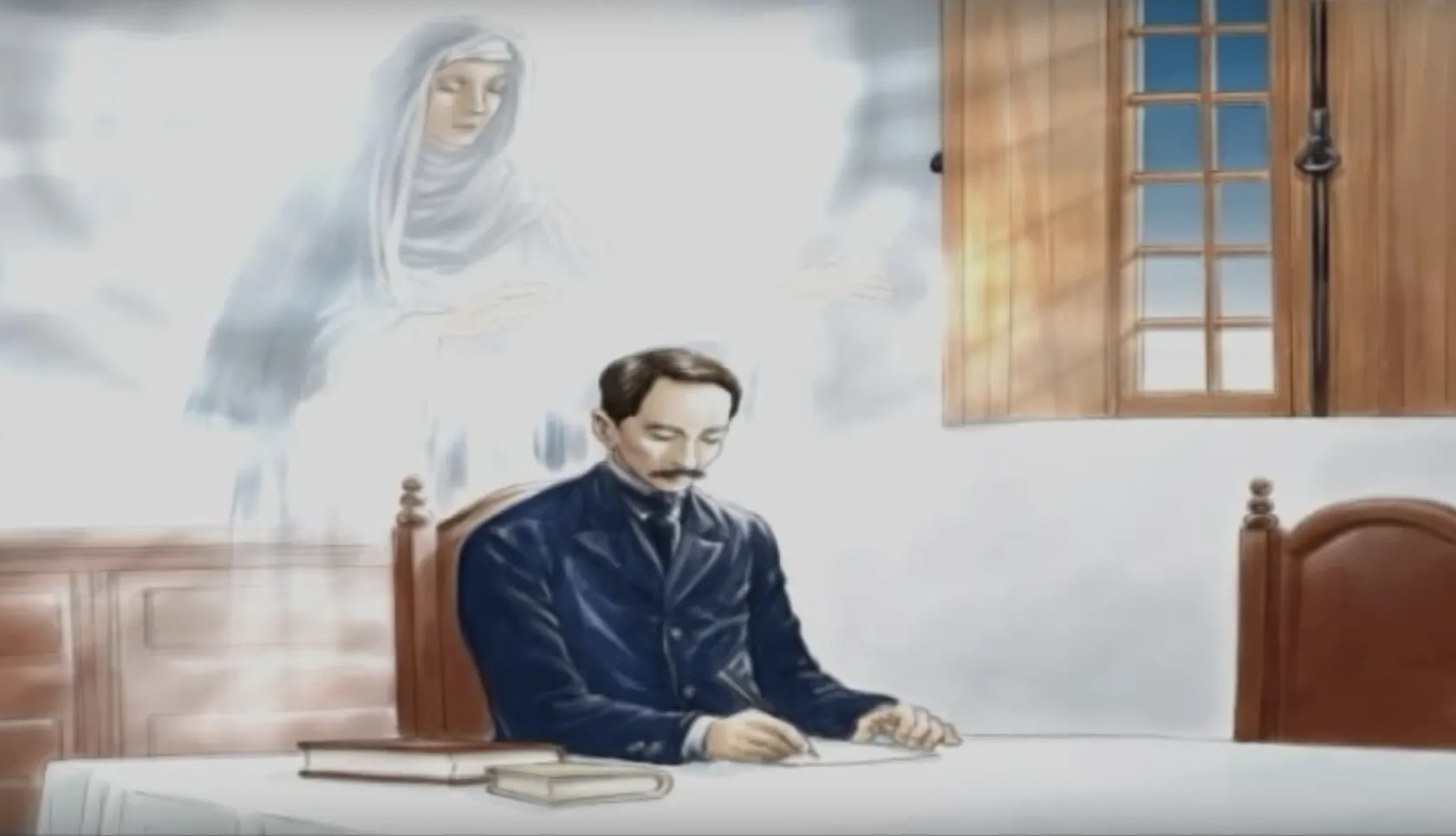
Mary

He felt a growing urge to write as a gentle, very gentle magnetism suffused his whole being with an unfamiliar, radiant fluid.

Keep the school open. Remove the name Liceu Sacramentano from the sign, for it is a remnant of human pride. Put Colégio Allan Kardec in its place. Teach my son’s Gospel on Wednesdays and establish a course in astronomy. I will shelter the school under the mantle of my love.

Message attributed to: Mary, Servant of the Lord

Founding of Colégio Allan Kardec

April 1907

On April 1, 1907, Eurípedes Barsanulfo officially opened Colégio Allan Kardec in Sacramento, Minas Gerais. The name made his intent clear: to honor the codifier of the Spiritist Doctrine and to acknowledge the school’s connection to Spiritism publicly, a bold step at the time.

Finally, on April 1, Collegio Allan Kardec opened in the town of Sacramento under the direction of our fellow member Euripedes Barsanulpho. Having chosen such an open and bold name, he followed through by including The Gospel According to Spiritism among the subjects taught.

Source: Reformador, 1907

108 people attended the opening, a substantial number for a small inland town in Minas Gerais. Thirty pupils, boys and girls, enrolled immediately. Accounts say that the school first operated in Eurípedes’s home, where he set aside rooms for classes.

Colégio Allan Kardec grew out of the experience of the Liceu Sacramentano (1902–1905), which Eurípedes had also directed. When the Liceu closed after his conversion to Spiritism, he saw the need for a new school that could put into practice his educational vision as shaped by the Spiritist Doctrine.

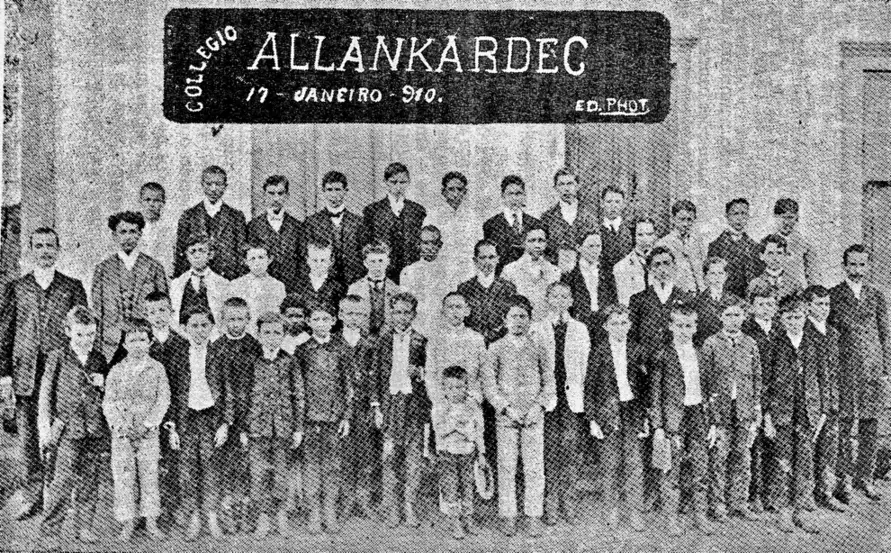
Historical photograph of pupils and teachers outside the building bearing the sign “Collegio Allan Kardec”
Pupils and teachers at Colégio Allan Kardec with the school sign, 1910

1910

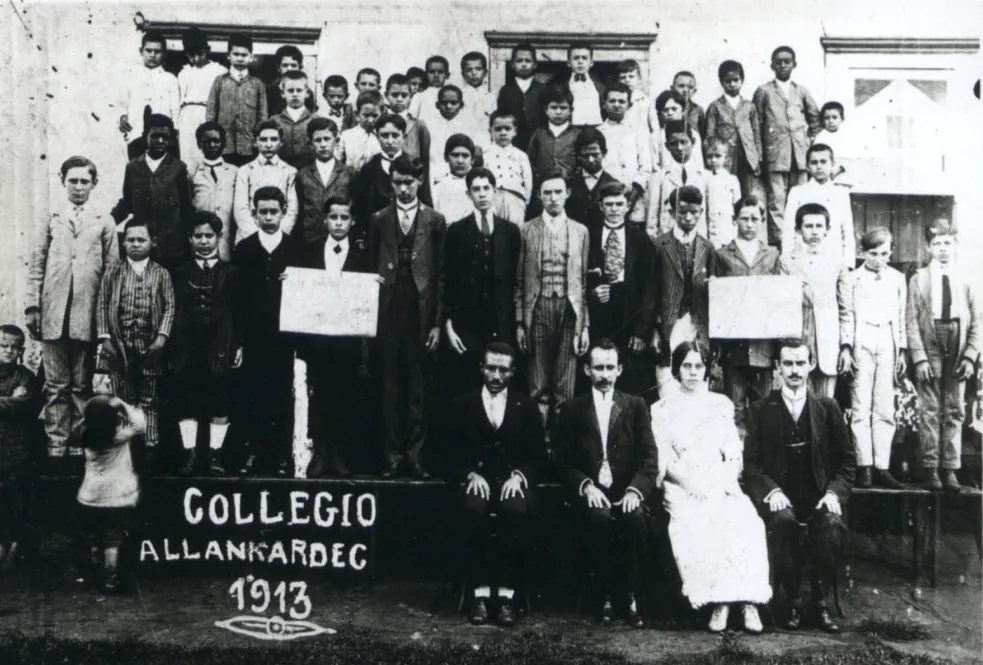
Pupils and teachers outside Collegio Allan Kardec, 1913

1913

You’ve reached the end of this topic.

Letter from Anália Franco to Eurípedes Barsanulfo, 1910

Letter from Anália Franco to Eurípedes Barsanulfo, 1910

São Paulo, November 25, 1910

Dear Mr. (?) Eurípedes Barsanulfo,

It is an honor to greet you and wish you good health and every prosperity.

With deep gratitude, I thank you on behalf of the 150 orphans for the valuable help you gave by sending 90$000 (?) and supplies to people in need who depend on kind hearts and their generosity and goodness. Only God can repay you for helping me with the sacred task I carry. Only Spirits of great elevation understand its true reach and give generously to help the most unfortunate members of our society, especially orphans and widows. What comforts and encourages me in this difficult work is the chance to acknowledge the help and support of people like you, whom God enlightens so that you may serve his great work of charity. The little orphans and I will remember to pray for you.

With deep gratitude,

Affectionately and respectfully (?)

Thank you.

Anália Franco Bastos

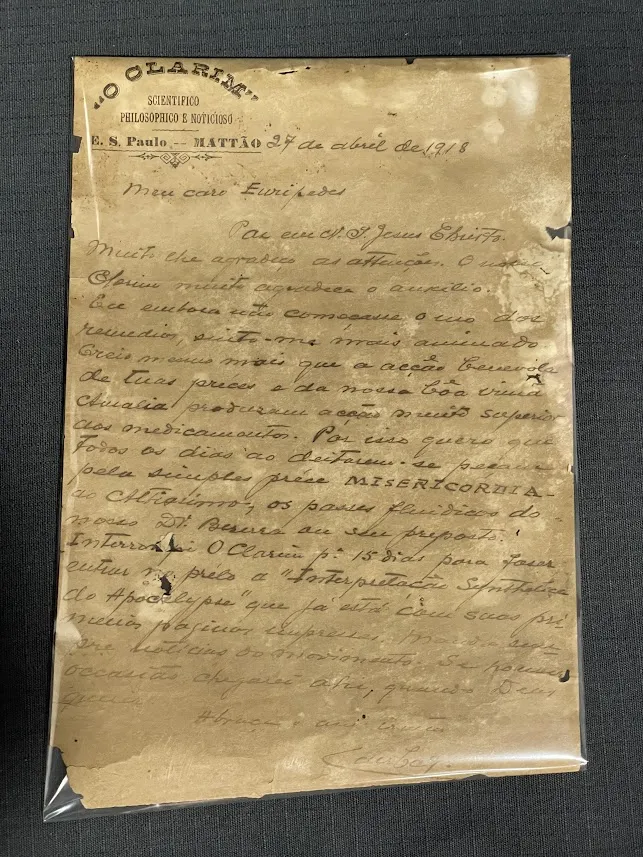
Letter from Cairbar Schutel to Eurípedes Barsanulfo, 1918

Letter from Cairbar Schutel to Eurípedes Barsanulfo, 1918

Matão, April 27, 1918

My dear Eurípedes,

Peace in Our Lord Jesus Christ.

Thank you very much for your kindness. We at O Clarim are most grateful for your help.

Though I have not started taking the medicine, I feel more hopeful. Indeed, I believe the benevolent action of your prayers and those of our good Sister Amália has done far more than the medicine could. So I ask you, each night before bed, to say the simple “Mercy to the Most High” prayer and ask for our Dr. Bezerra to give his fluidic passes through his representative.

I suspended O Clarim for 15 days to put “Interpretação Sintética do Apocalipse” into print. Its first pages are already printed. I will keep sending news of the movement. If the opportunity arises, I will come to see you when God wills.

A warm embrace from your brother,

Cairbar

Mediumship

The account describes Eurípedes Barsanulfo as possessing all the mediumistic abilities Kardec lists in The Mediums’ Book.

• Psychography (mediumistic writing)
• Psychophony (mediumistic speech)
• Clairvoyance
• Clairaudience
• Physical effects

• Mediumistic prescribing
• Healing mediumship
• Bicorporeity / Bilocation / Double persons (The Mediums’ Book, item 119)

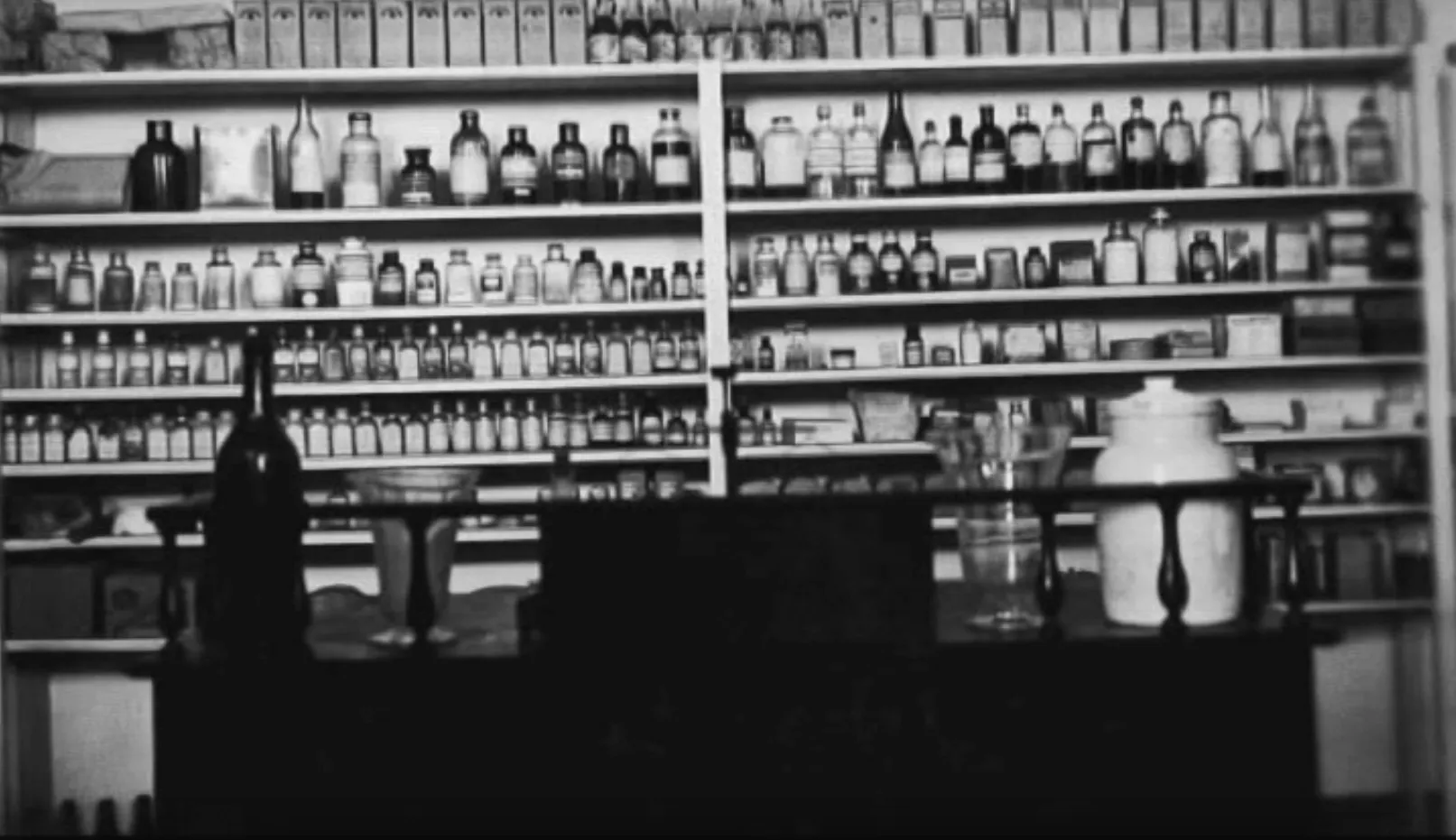
Farmácia Esperança

Homeopathic pharmacy

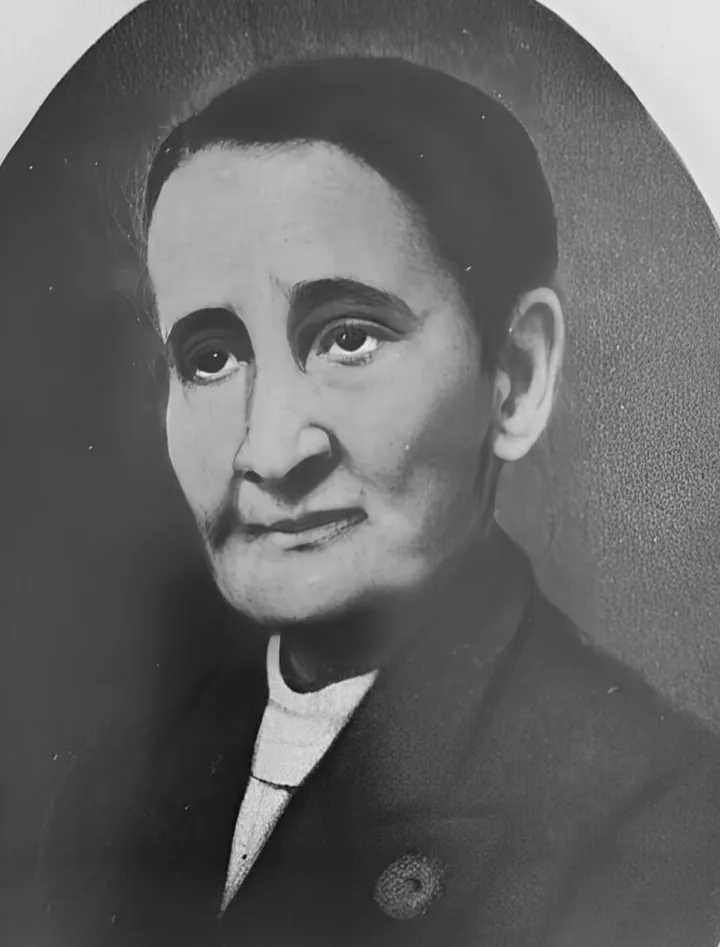
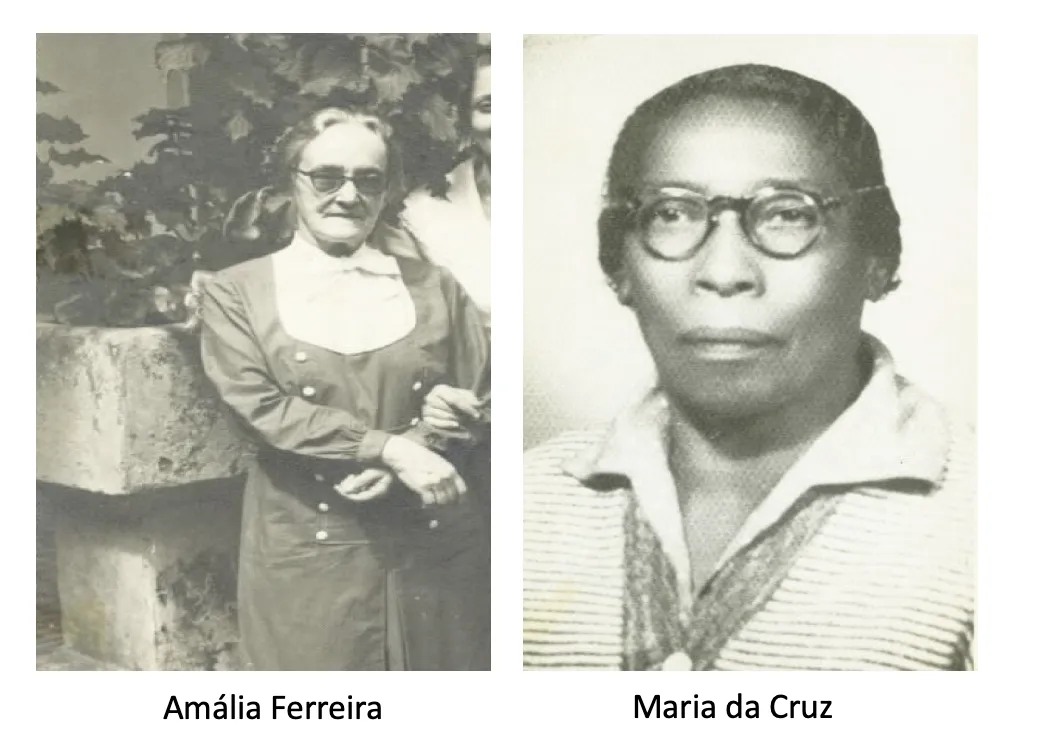
Portraits of Amália Ferreira and Maria da Cruz

Eurípedes recounts reaching the top of the stairs. As he set his right foot on the last step, words are attributed to Saint Vincent:

“My son, our mission on Earth is complete. We are reaching another sphere.”

Saint Vincent goes on to describe a dwelling place of peace and blessings, where those who fulfilled their work of love on Earth would live. He tells Eurípedes this is his home.

Attributed to: Vincent de Paul, April 25, 1918, in an account of Eurípedes’s out-of-body experience recorded by Dona Amália

You’ve reached the end of this topic.

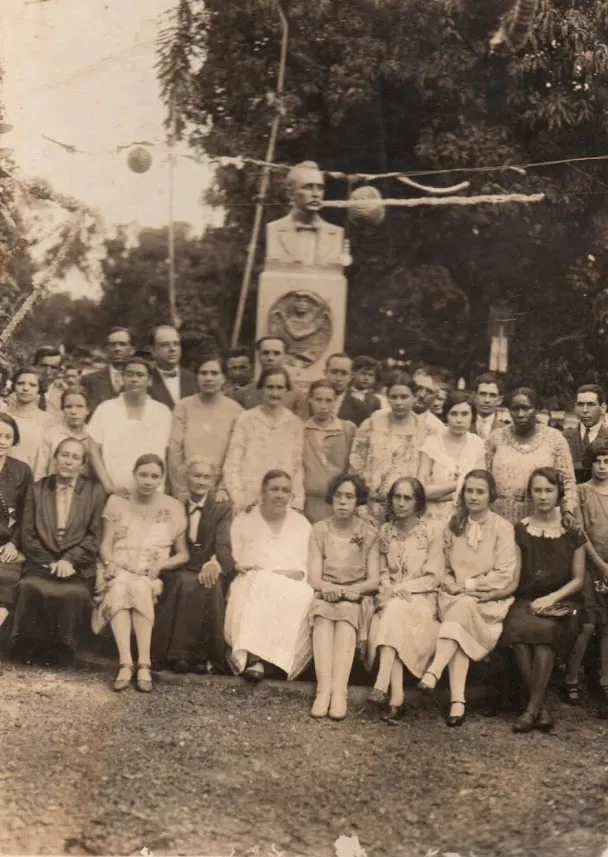
Unveiling of the memorial bust of Eurípedes Barsanulfo in 1929

Unveiling of the memorial bust of Eurípedes Barsanulfo in 1929

Memorial bust of Eurípedes Barsanulfo in 2022

Memorial bust of Eurípedes Barsanulfo in 2022

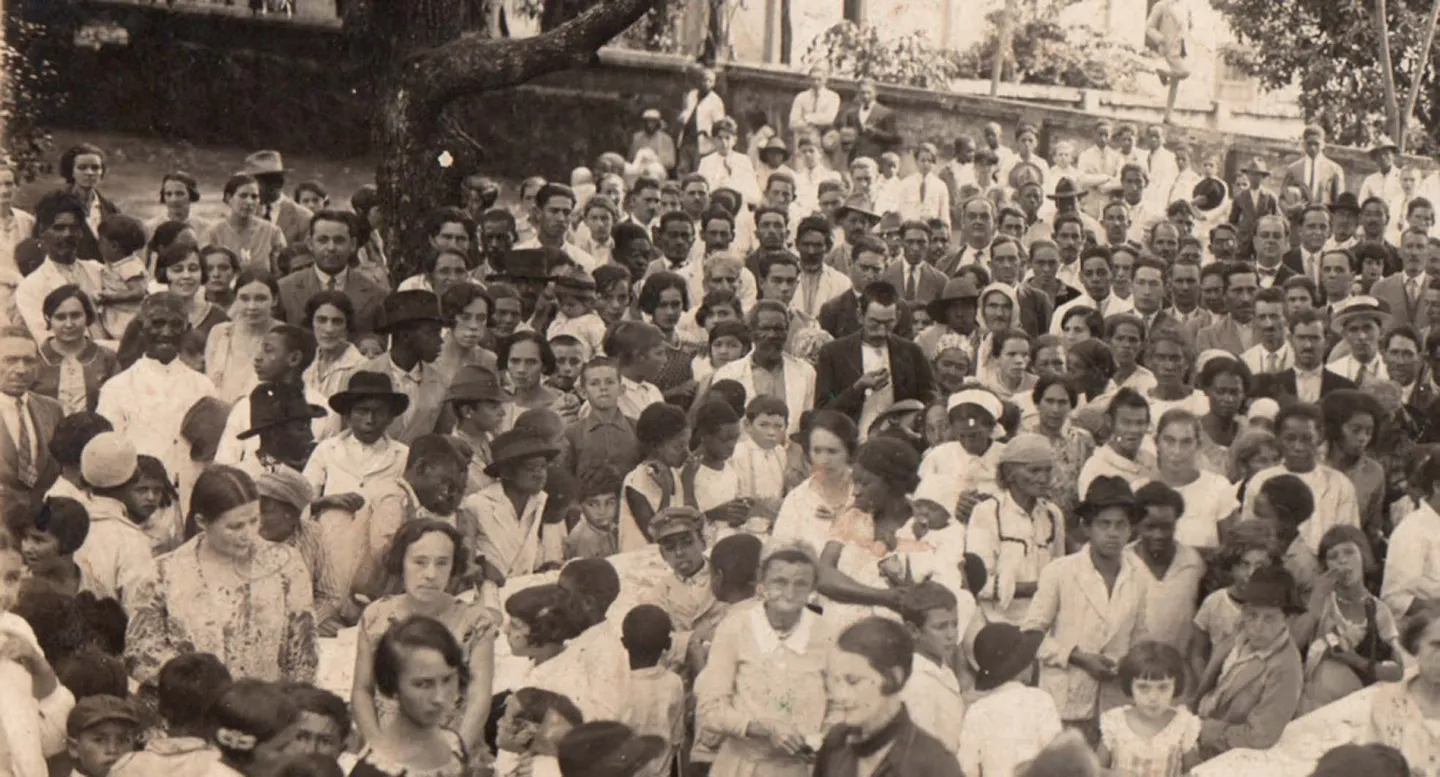
Historical photograph of a crowd gathered outdoors
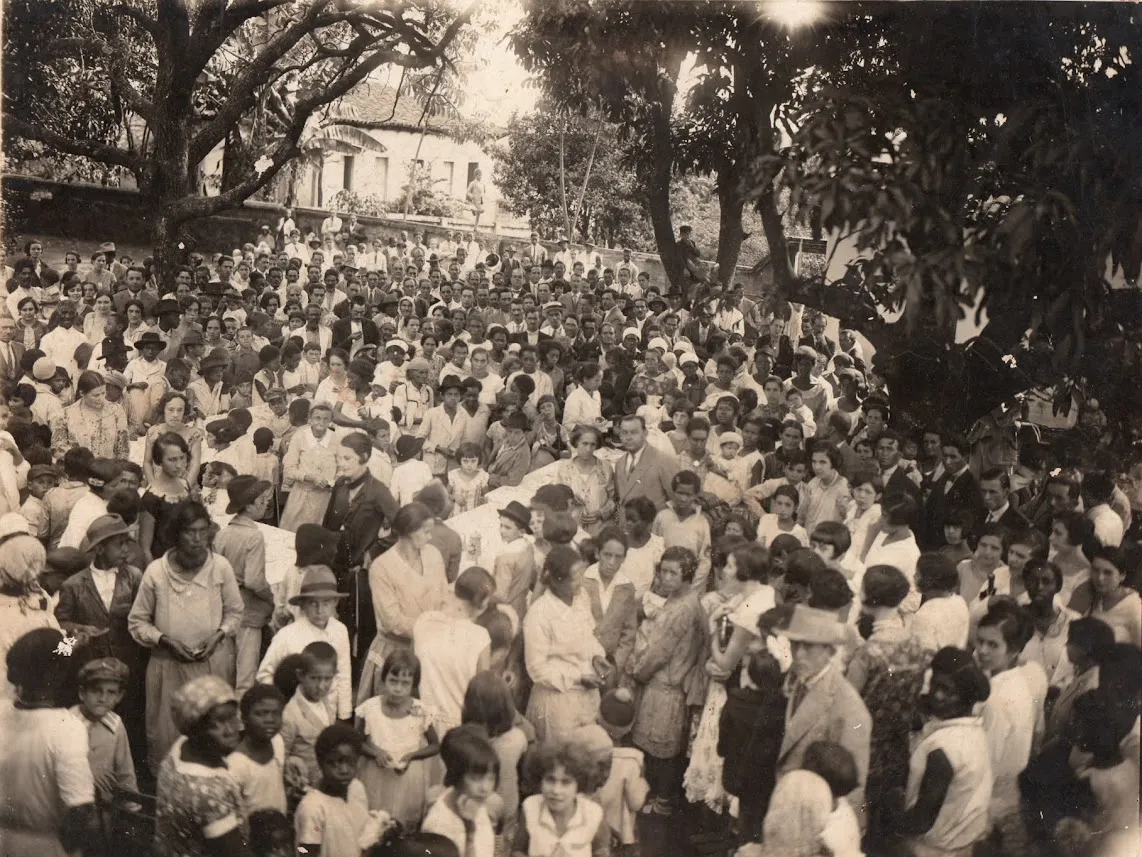
Historical photograph of a crowd beneath trees
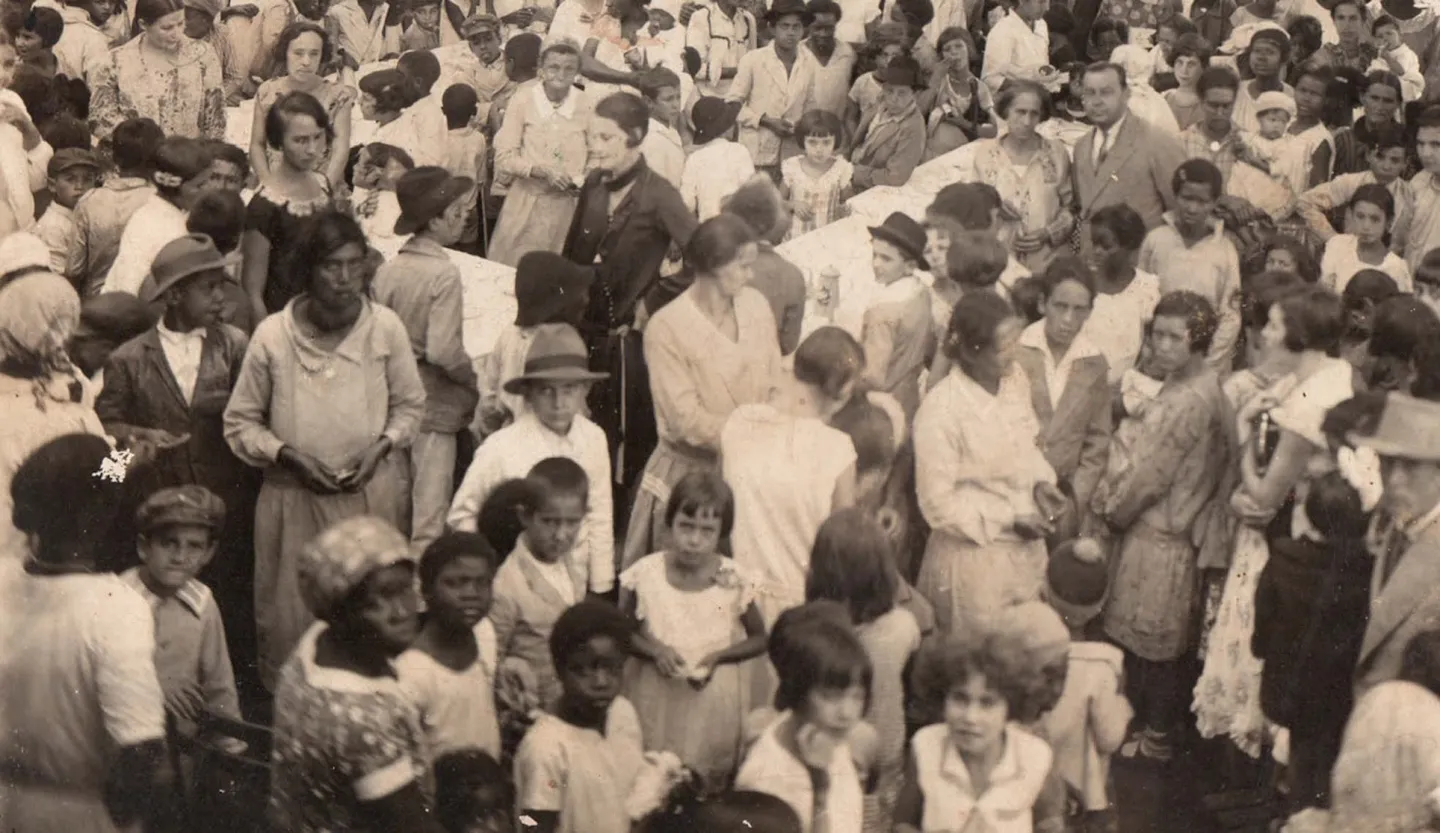
Close view of a crowd in a historical photograph
Historical photograph of a group of children and adults in front of a staircase

More updates coming soon…

Visit https://www.cak.org.br/memorial to continue later.

You’ve reached the end of this topic.

In this topic

Tap a subject to jump to that part.

Presentation speed

8 frames in the full visit. Tap to choose how long each frame is shown.

Five seconds gives you a quick look at each image. Allow more time to read or pause the visit. Totals exclude pauses.

Tap to explore

  • Start with Watch all. On the home screen, the play button opens the full presentation, with Slides and Scroll modes.
  • Choose Short visit for an eight-frame tour. You can also choose a topic and explore it in any order.
  • Use Previous and Next during the short visit. In the full reading view, these buttons move the text up and down.
  • Adjust the speed during your visit. Pause whenever you like. Tapping a photo or opening the reading view stops playback.
  • Use In this topic while reading. Jump to a subject and use Top to return to the start. When you finish, continue to the next topic or choose another from the menu.
  • Tap the photographs. Zoom in to see details. Use Fit to show the whole image again.
  • Tap Home when you finish. The screen will be ready for the next visitor.

Photograph from the collection