
The Jasmine Plant
Browse by topic
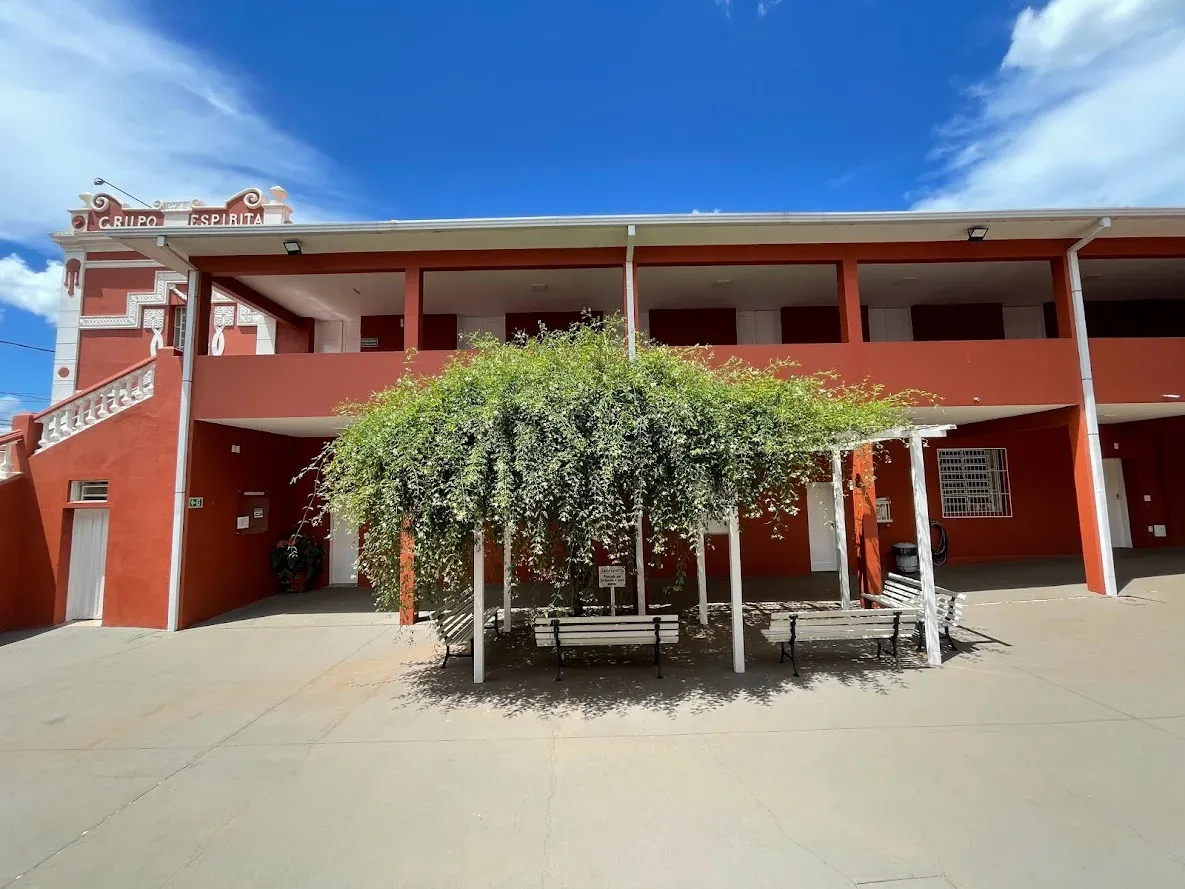
The jasmine plant of Colégio Allan Kardec
Location: Courtyard of Colégio Allan Kardec, outdoor garden
Planting period: Between 1907 and 1918 (the school's operating season)
Meaning: Living symbol of the innovative pedagogical methodology and spirituality of Eurípedes Barsanulfo
The jasmine tree you're contemplating is much more than a century-old tree. It is one of the living symbols of the preserved memory of the spiritist educator and medium Eurípedes Barsanulfo, considered an important historical heritage of the institution.
History and Plantation
This tree was planted by Eurípedes Barsanulfo himself along with his students in the external garden of Colégio Allan Kardec. The act of planting with students reflected participatory pedagogy and direct contact with nature that characterized the revolutionary educational method implemented by Eurípedes.
The jasmine tree was the favorite flower of Eurípedes Barsanulfo, which makes your presence in the college even more significant.
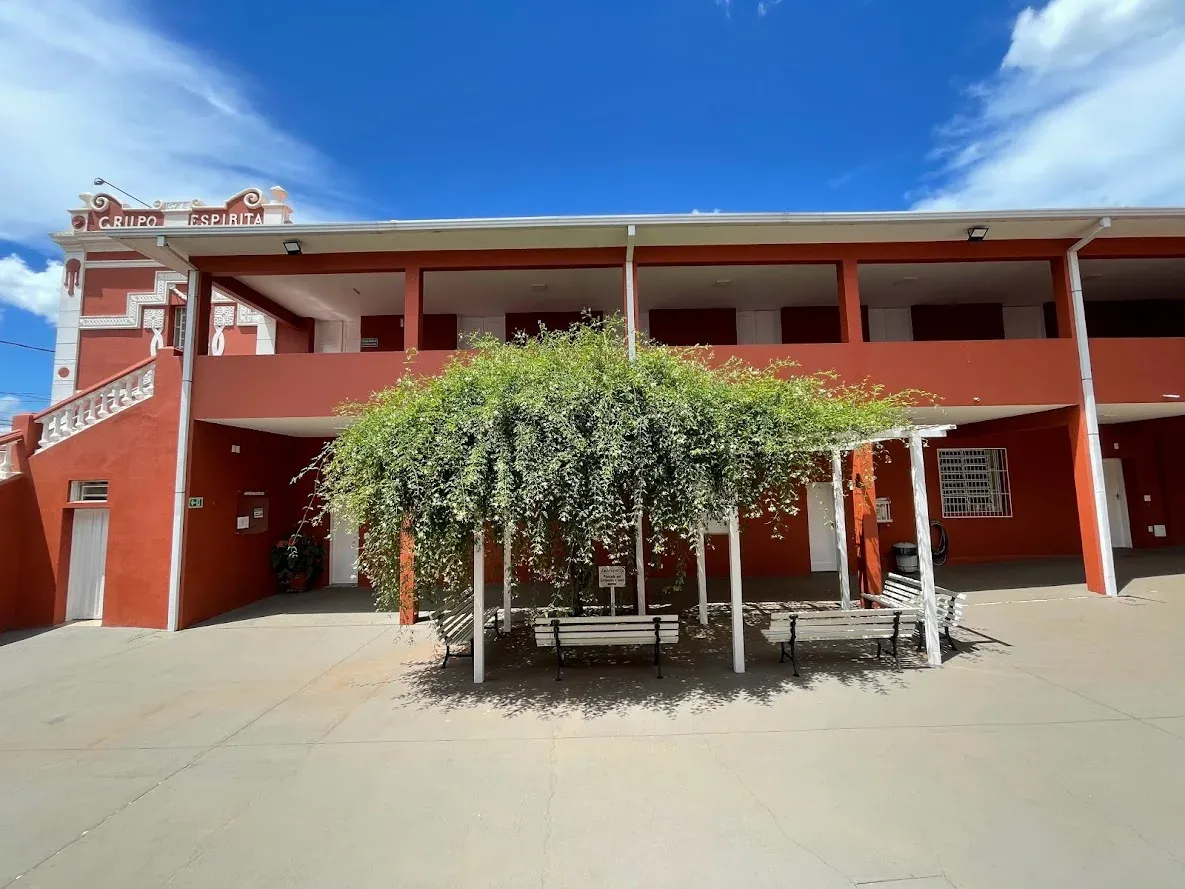
The Pedagogical Garden
The school courtyard, where the jasmine plant grows alongside century-old mango trees, served several purposes while Eurípedes directed the school (1907–1918):
- Outdoor classroom: Eurípedes taught classes under the trees, allowing students to have direct contact with nature during the learning process
- Living laboratory: Students learned about botany, natural sciences and the cycle of life by observing plants
- Living Space: Recreation and integration place among students of different ages and social backgrounds
Pedagogical innovation: This practice of outdoor classes was considered a pioneer for the beginning of the 20th century in Brazil, anticipating concepts of the New School that would only be consolidated decades later.
The Holy Perfume of Jasmine
The jasmine perfume has a deep spiritual connection to the trajectory of Eurípedes Barsanulfo:
The Guide associates the scent of jasmine with the Farmácia Espírita Esperança e Caridade, founded by Eurípedes next to his room. In the Spiritist account, this was where Dr Bezerra de Menezes, through Eurípedes’s mediumship, assisted people in need with:
- Spiritual Guidelines
- Homeopathic recipes
- Spiritual surgeries
- Magnetic passes
The jasmine perfume thus became a sensory signature of the spiritual presence and healing work performed by Eurípedes and his spiritual mentors.
Historical testimony: Many visitors and patients reported feeling the soft scent of jasmine during spiritual care, even when there were no flowers nearby - a phenomenon considered as manifestation of the elevated spirituality of the environment.
Continuity Symbol
While the jasmine tree remains living and careful by the institution's maintainers, he continues to exhale the soft smell of his flowers, keeping a sensory connection to the past and representing the continuity of the legacy of Eurípedes Barsanulfo, who disembodied in 1918.
The tree survived:
- To the Spanish flu that killed Eurípedes on November 1, 1918
- To the temporary closure of the college
- To the transformations of the 20th century
- To changes in building usage
Current Preservation
The plant is preserved with special care by the maintainers of the institution until today. The jasmine tree has a identification plate installed near the tree, which informs visitors about its historical origin and importance for the college.
The College Today
Colégio Allan Kardec has not functioned as a regular educational institution since 1918. Currently, the site serves as:
- Memorial of Eurípedes Barsanulfo
- Museum preserving historical objects and documents
- Spiritist Group Headquarters Hope and Charity (founded 1905)
- Religious patrimony and Brazilian history
📅 Educational continuity: The pedagogical activities were transferred to the Escola Eurípedes Barsanulfo, founded in 1975 by Corina Novelino and Thomaz Novelino, keeping alive the educational ideals of the master.
An Invitation to Reflection
The jasmine plant, the century-old mango trees and other features of the school draw visitors from across Brazil who want to see where Eurípedes lived and worked.
As you contemplate this tree and aspire to its delicate perfume, reflect on:
- The importance of integral education (body, mind and spirit)
- Contact with nature as a pedagogical element
- Continuity of life and ideals through generations
- The power of living symbols in the preservation of historical memory
The jasmine remains a silent witness of a time when education, spirituality and love for others intertwined in everyday school life, under the guidance of one of Brazil's most notable Spiritist educators.