
Colégio Allan Kardec
Browse by topic
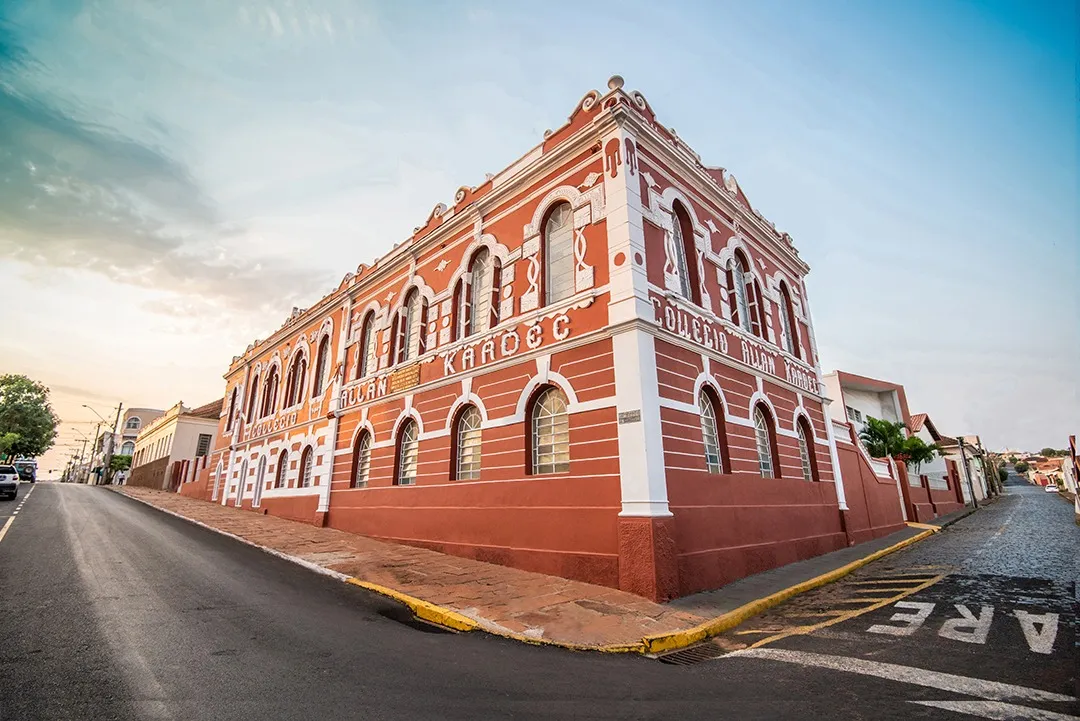
Colégio Allan Kardec is the address where it all began: first the house of Eurípedes Barsanulfo, then the school that changed education in Sacramento and, today, the headquarters of the Grupo Espírita Esperança e Caridade and of the Memorial. This reading goes from the summary to the photographs of the season, in the order of events.
Those in a hurry find the essentials in the first two sections. Whoever wants the documentary research, with the transcripts of The Reformer and the primary sources, finds everything in Foundation of Colégio Allan Kardec.
The essentials
Foundation: 31 January 1907
Founder: Eurípedes Barsanulfo
Signified: First Spiritist College of Brazil and milestone of innovative education
Before the College: the formation of the educator
The pedagogy that Eurípedes would apply from 1907 was not born ready. It comes from his own education in Sacramento, from the rigor of the masters who formed him and from the five years he directed the Liceu Sacramentano. A family and childhood they have their own themes; here is the path of the student who became a teacher.
History of education of Eurípedes
Decade of 1880, 19th century
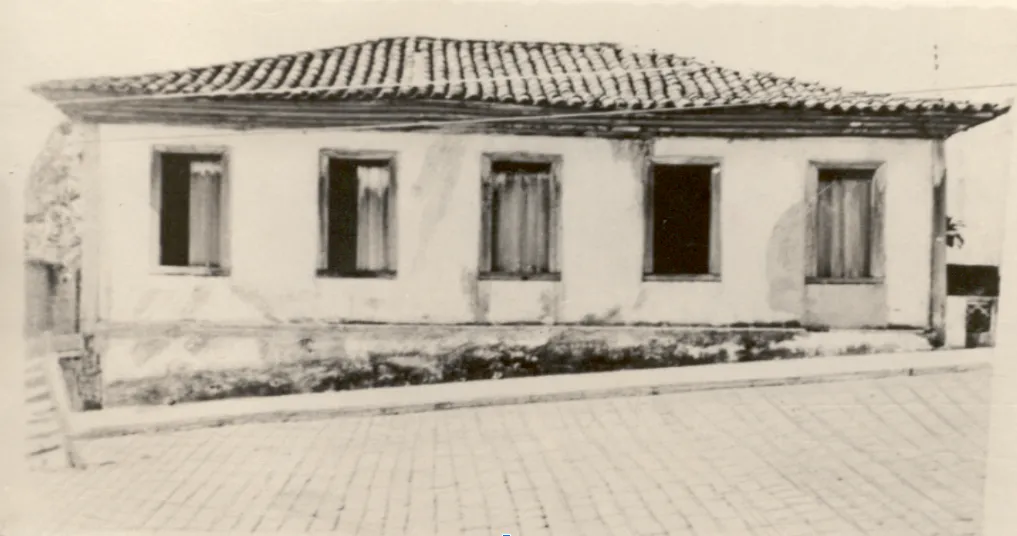
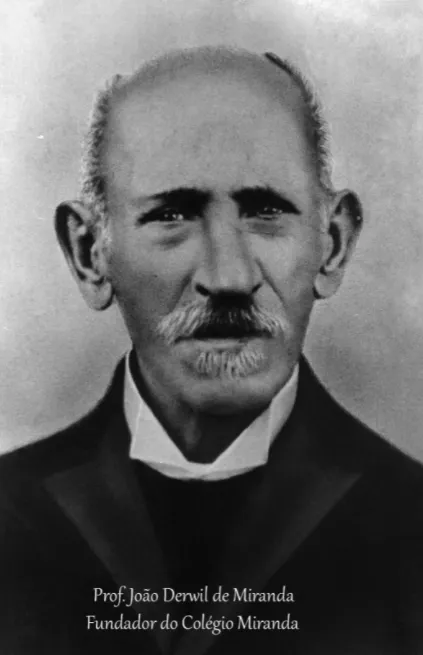
The Internal Regiment of the Caraça, in which it highlights the extraordinary pedagogical experience of the Portuguese Lazarist priests who directed the renowned student.
Some items that guided the pedagogy of the Caraça College:
- The officers of a house of education should consider themselves clothed with the characters of so many other parents of the family... Their religion must be pure, it must still avoid the smell of hypocrisy and fanaticism; they must lead youth with softness and love, even in the exercise of correction and is then especially when they should be warned not to use insulting names or exceed moderation.
- The punishments of the greatest crimes will be the deprivation of recreation and separation of colleagues.
- It is appropriate to know the genius and character of each student to treat everyone with prudence, because what pleases the melancholic and disturbed often does not please the cheerful genius and vice versa.
- Students must be persuaded that they come not only to learn the studies and science, but also the virtues ... It is worth a man of average knowledge, being virtuous, rather than a great wise man without virtue.
At the time there was intensification of the courses, according to the effort made by the student. It was therefore a circumstantial option, which in a way benefited extraordinarily from the pupils employed.
At Miranda College, Eurípedes had been referred to the early class, corresponding to the gymnasium. He had become assistant to the teachers, assuming the duties of monitor, who performed with enthusiasm and dedication and where he began pedagogical activities, which would lead him to the unusual position of prominence in the sacramentan teaching.
Eurípedes was a great colleague, conveyed lessons in Portuguese, French and Mathematics, disciplines that he handled with singular discernment and enthusiasm. At home, Eurípedes had taken up the task of caring for the education of his brothers.
The distinction of Eurípedes led the masters to put it in visible preference. At civic parties they never trusted another student with the honor of conducting the National Pavilion and in all solemnities always entrusted him with the task of official speaker of the student.
In this way, the Miranda College gave Eurípedes excellent intellectual baggage. There he learned French - a language that managed fluently in colloquials and research; Latin, although these subjects were not included in the curriculum of the student; Portuguese, a material in which he later became a proficient teacher, with his own didactic processes; Natural Sciences, whose knowledge led him to important pedagogical planning, with practical activities, along with specific elements (such as animal dissection and plant study), which supported his didactic processes, little later.
Eurípedes was given to the wise guidance of Prof. Miranda until the end of 1901 (probably), when the school year had ended. On that occasion, the head of the College summoned Mr. Mogico attending the student. He was informed that he should provide a College for his son, where he could take a higher course because he was already prepared.
By emphasizing the exceptional qualities of Eurípedes as a brilliant student, Prof. Miranda accentuates: "We have nothing else to teach Eurípedes. He's already learned everything our college can offer.
In the beginning of the year 1902 the Father of Eurípedes decided to take him to Rio de Janeiro, with the double objective of forwarding him in the continuation of studies and engaging with friends in obtaining a job for Eurípedes. They got an enrollment at the Navy Medical School Preparing Course. After 20 days of stay in Rio de Janeiro, they returned to Sacramento for the preparations that were necessary. Beautiful dreams crowned him with noble purposes of greater learning, with the greater purpose of healing his mother.
The mother helped in what she could, sewing and organizing her son's clothes. On the eve of the young man's departure, when she packed his modest suitcase, she was affected by one of those crises, which so much worried the family and, in particular, Eurípedes. He had felt at once the reason for his dear mother's suffering. It was the sadness of separation. When Mecca returned to normal colleges, he found his son's suitcase undone. Eurípedes had never brought it up again...
The trajectory of Professor Eurípedes
Liceu Sacramentano
On January 31, 1902, the Liceu Sacramentano was founded. Eurípedes had been the shaken builder of the initiative. He took care to surround himself with a competent team of coadjutors, inviting what was most qualified at the time in the city to compose the board of partners of the new educational entity.
They were his companions of teaching and administrative responsibility, the following teachers: Dr. João Gomes Vieira de Mello, José Martins Borges, Inacio Martins de Mello, Teófilo Vieira, Fr. Augusto da Rocha Maia was sometimes replaced by Canon Pedro Ludovico Santa Cruz.
The new educational establishment worked at the beginning in the former office building of the 1st Office, owned by Mr. Jovino Vieira Brigagon, in the square of the Matrix, today's Getúlio Vargas square. By the demands of the time, the building had to be adapted, and this service was financed by Mr. José Monteiro da Silva Júnior (first Spiritist of Sacramento), a man very respected and dear for his virtues. As debt discharge the High School would give five scholarships to some students.
At twenty-two, Eurípedes was a dedicated teacher who experimented with new methods and earned the affection of his students and their families. Novelino compares his work with the ideas of Plato, Kant, Spencer and Pestalozzi.
She connects his interest in physical education with Plato’s attention to the relationship between physical health and the life of the mind.
She also compares his example of disciplined work and personal improvement with the Kantian idea that education develops human capacities.
Novelino uses a comparison with Pestalozzi to describe teaching as an art that puts knowledge into practice. Eurípedes encouraged appreciation of the arts and saw drama as a way to reflect on moral choices through the characters and their actions.
Novelino also relates his approach to Herbert Spencer’s idea that education should prepare us for all aspects of life (Education: Intellectual, Moral, and Physical).
The modest salary received by Eurípedes in his services in the commercial homes of his father, guaranteed him personal maintenance and allowed him to extend the assistance resources, including those related to the teaching. He had always reserved for the employees all income earned in fees in the financial record of the Liceu.
The young teacher of the Liceu Sacramentano, even before knowing the lights of Spiritism, was already wrapped up in the sublime source of feeling, guided by a high innate understanding of the problems of the Spirit, which would inspire him in the guiding journey, always loyal to the ministry of Love, which Jesus entrusted to him.
With the motivations of Eurípedes, the students, in turn, created a service of assistance, which had long duration.
It was the Society of Friends of the Poor, which was intended to promote weekly auctions with gifts donated, whose income applied to the most urgent help to the needy, such as: assistance with food of first need, dressings, burials of indigents.
The Liceu Sacramentano grew in the general concept and soon the fame of honest and conscientious work that developed there, in favor of education, crossed the borders of numerous cities in Central Brazil, which sent their children to study in Sacramento.
After a while, The High School had moved to new headquarters. This time, he occupied a building on the same block of the primitive headquarters, in the Plaza da Matriz.
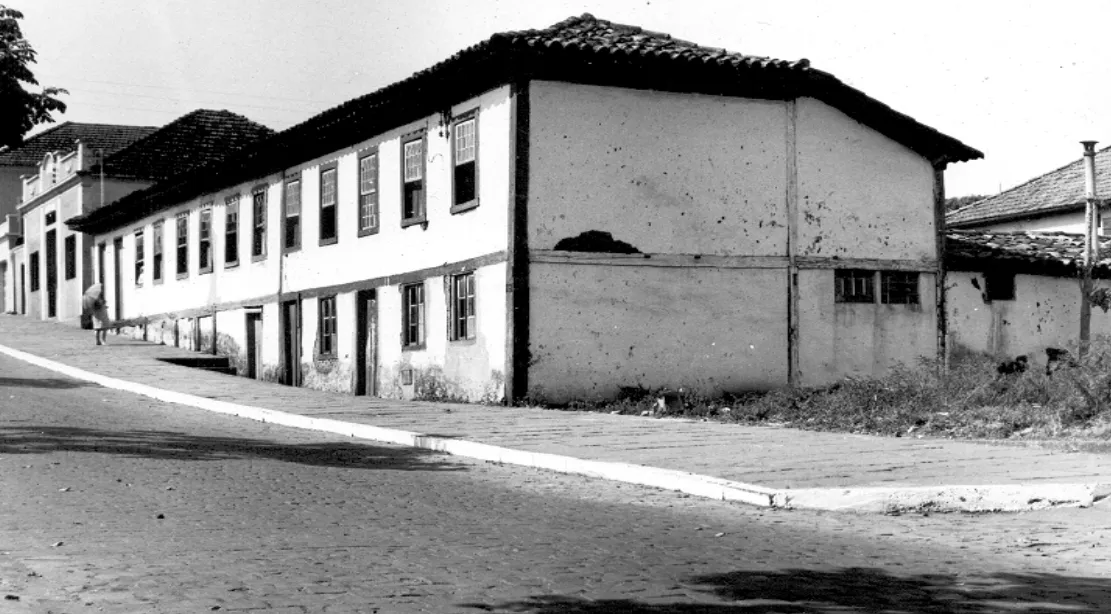
Building where the N.S. School of Sponsorship ran, and later, the third and last headquarters of the Liceu Sacramentano, on Municipal Avenue.
History and Foundation
O Colégio Allan Kardec was born in one of the most dramatic moments of the mission of Eurípedes Barsanulfo. In January 1907, after the decision to include the teaching of Spiritism in the curriculum of the former Liceu Sacramentano, Eurípedes found himself alone in an almost empty room, with his students removed by his parents and his fellow teachers having abandoned the project.
In Corina Novelino’s account, Eurípedes received a psychographic message attributed to Mary, mother of Jesus, with three instructions:
- Change the name to Colégio Allan Kardec
- Teaching the Gospel on Wednesdays
- Instituting an Astronomy course
The message, which Novelino gives in approximate terms, asked Eurípedes to keep the school open and to carry out these changes. It also promised protection for Colégio Allan Kardec. Novelino gives the signature as Mary, Servant of the Lord.
(Corina Novelino, Eurípedes, o Homem e a Missão, chapter 12.)
In a matter of weeks, what seemed to be a failure became a triumph: more than 200 students enrolled in the new college, an extraordinary number for a small town like Sacramento in the early twentieth century.
In 1904, Eurípedes converts to spiritism. The educational sector had suffered a rude blow. The magisterium companions in the Liceu Sacramentano abandoned their positions. The school furniture had been removed and the building, where it operated required by its owners.
Eurípedes was downcast, but not discouraged. The testimony had demanded determination and strength in the new faith. He had spent happy years in high school, in the conscious performance of his beloved teacher career. The students, in turn, did not conform to the idea of losing the master the friend. The situation was desperate for the educational area of the city, which did not count on another educational establishment.
Eurípedes was sought by numerous parents, who begged him to continue his classes.
After a quick planning, he had settled down the rent of a room at the former College of Professor Ana Borges, closed since 1885. There, with impromptu furnishings and no comfort, Eurípedes continued in his magnificent effort for Education.
On the front of the modest door, it was read: Liceu Sacramentano. The curriculum was the same, but with the breakout of colleagues, Eurípedes unfolded to teach the classes of all the scheduled subjects. And he had boldly added the teaching of the Spiritist Doctrine to the curriculum, which had sparked the discontent of Catholic parents.
Most of them led Eurípedes to the threat of removing their children from the High School if they maintained the decision to teach Spiritism.
The account describes Eurípedes’s determination to continue teaching Spiritism despite the withdrawal of students.
Eurípedes’ firm response left no room for other arguments. In this way, a large number of students saw their enrollment at the High School cancelled by their parents. A fact that strikes Eurípedes in a distressing way.
The Inspiration
Mary, Servant of the Lord
The school’s account describes the empty classroom and how Eurípedes came to write the message.
One day, in the loneliness of the classroom, he felt abandoned. He began to cry in the silence of ardent prayer.
He felt an insinuating desire to write, while the whole being bathed in soft magnetism, of unknown radioactive fluidity. A high-profile name of the upper spheres imposed on him the intuitive channels. He reacts. It cannot be, it does not deserve to receive the direct benefit of the Announced Entity.
He put the paper aside, fearing that he was mistaken. In the account, he then felt his arm guided as he wrote a short message.
The message asked him to keep the school open under the name Colégio Allan Kardec, to teach the Gospel on Wednesdays and to start an astronomy course. It also promised to protect the school.
The two versions in the Portuguese Guide differ slightly in their wording about the astronomy course and the name of the school. Both passages are summarised here.
In the end, he establishes the precious document: Mary, Servant of the Lord.
Eurípedes followed to the letter the spiritual instructions of Mary Most Holy.
"I knew that the moment was unique: to implant an education on the deep basis of being. Working with a reflexive reasoning where the greatest maieutics was no doubt love. Love to be loved, give to trade.
And in this love of joy and hope comes Mary, Most Holy Mother, to give him the courage, to open to him the hope of the work that he began. Everything had a reason to be, all the work deserved deep seriousness. It wasn't just one extra College, it was a landmark signaling souls, evolving spirits."
The Birth of the College
The subjects, contents, courses, theater
Colégio Allan Kardec is born. The fact had given itself, exactly the 31 January 1907Under the aegis of the sublime Mother of Jesus. The largest educational campaign, known until then, begins in Sacramento.
Former students of the Liceu Sacramentano rejoin the new student and more than two hundred other students are sent to college. This figure was very advanced for the time, naturally keeping the proportions of relativity, with a view to local population density, very low.
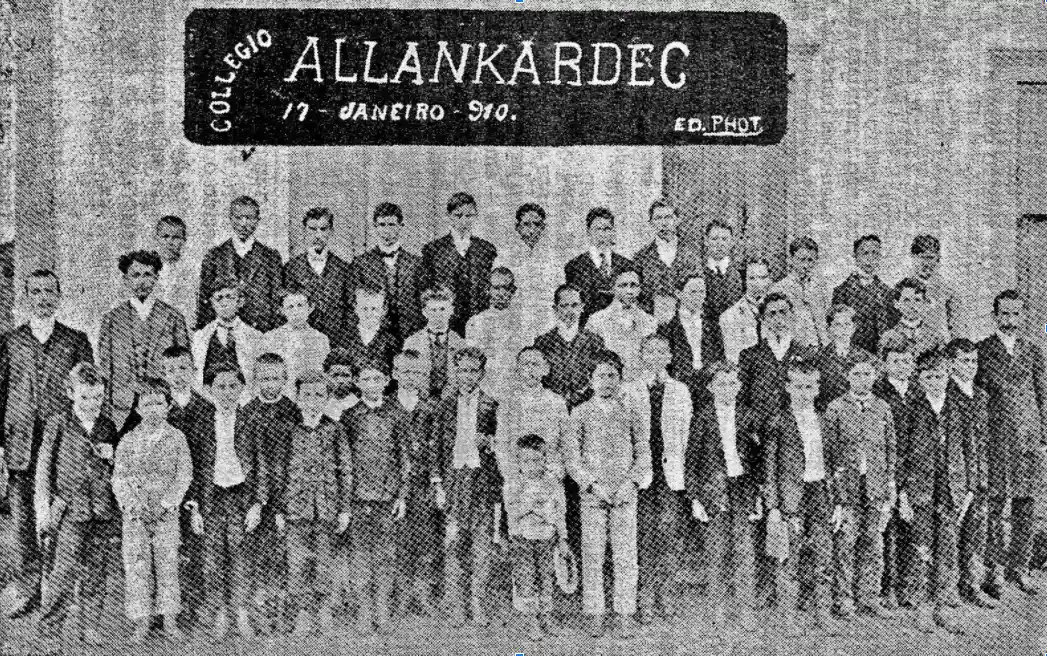
Three courses worked at Colégio Allan Kardec: elementary, middle and higher. The official guidelines kept specific hours for male and female students, but Eurípedes created the mixed-class system in Sacramento.
An extraordinary courage
Name Allan Kardec to an educational institution in 1907 was an act of extraordinary courage. Back then:
- Catholicism was deeply rooted in Minas Gerais
- The Penal Code criminalized spiritistic practices
- Spiritist centers were persecuted and even physically attacked
- The Catholic Church dominated education
Still, Eurípedes publicly assumed the Spiritist identity of the institution, transforming the Colégio Allan Kardec into the first Spiritist college of Brazil.
The resistance didn't stop on the cancelled plates. In 1913, Eurípedes held a public debate with Father Feliciano Iague, an episode reconstituted from the newspapers of the time in Colégio Allan Kardec Foundation. O chronological overview situates these years alongside the events of Spiritism in Brazil.
Building and Spaces
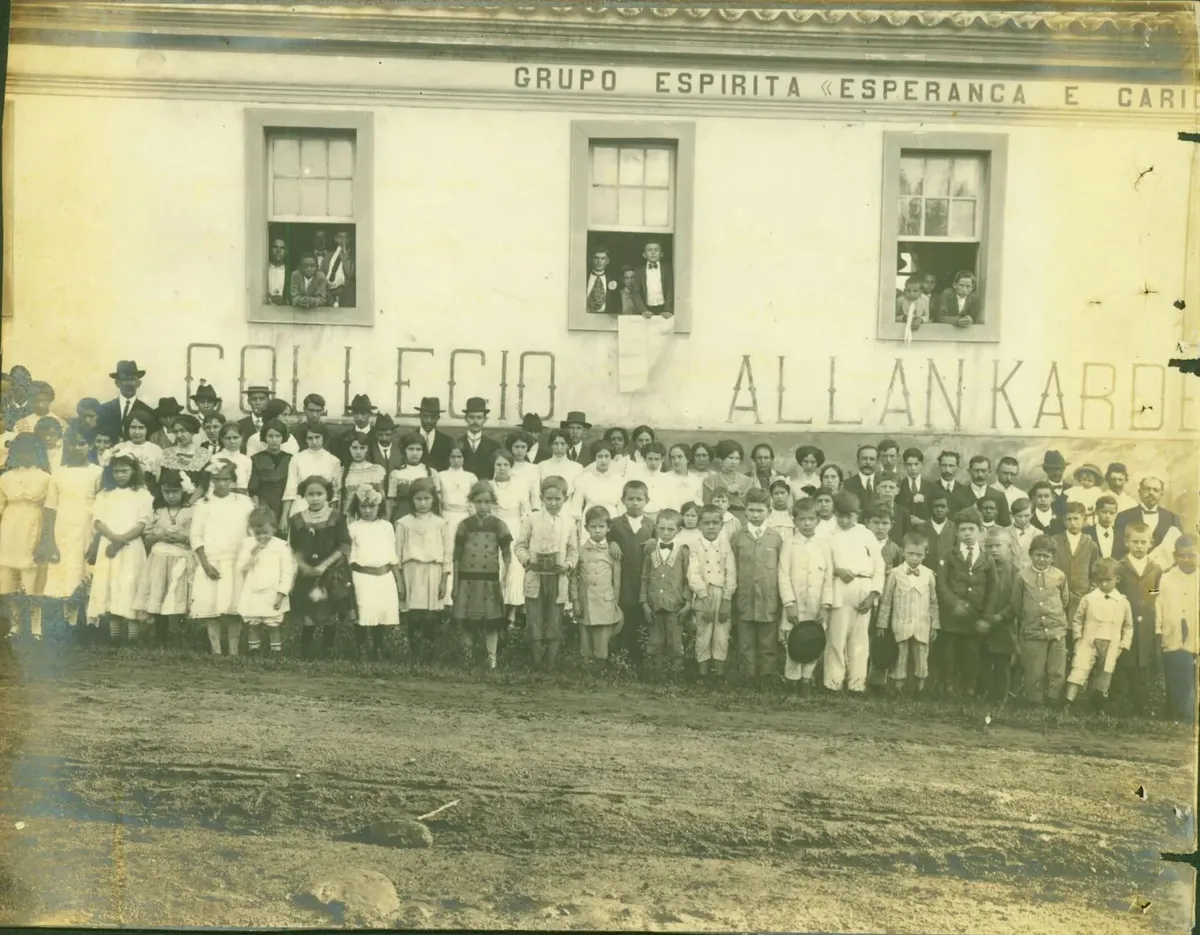
Home Humble (1907-1910)
The school started in its own residence of Eurípedes. To accommodate the students, he had internal walls knocked down, forming a large hall and reducing his personal space to only three rooms:
- The hall. - for class.
- The kitchen - which also served as an improvised cell for obsessed in treatment
- A hall - minimal personal use
Curiosity: Students lived daily with people in spiritual treatment, acting as "improved nurses" and learning in practice the principles of charity and care for others.
Expansion in 1910
The success of the college required enlargement. Mr. Cosme Martins de Oliveira, father of students and supporter of the work, financed reform that demolished the remaining rooms and expanded the classroom. The inauguration took place in 17 August 1910, with festive celebrations and theatrical performances.
The physical structure
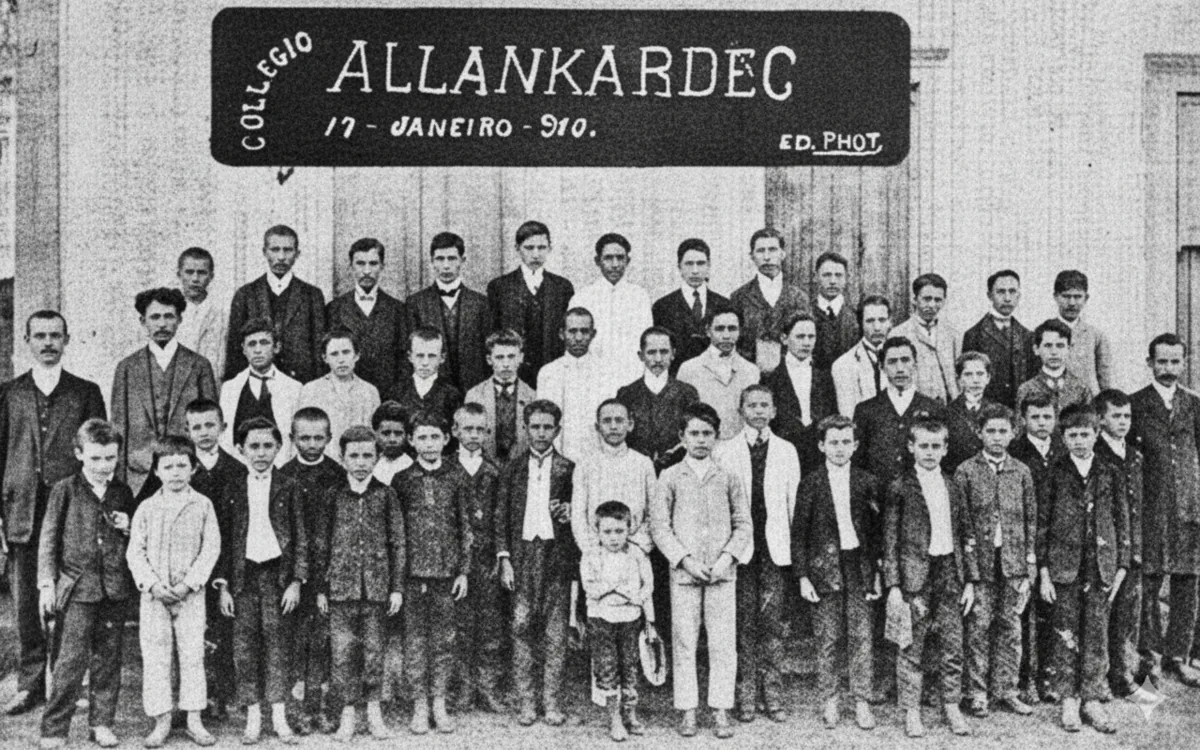
Three stages overlap in this part of the story: the adapted house of 1907, the enlarged hall of 1910 and the new building, planned in 1917 and completed after the death of Eurípedes. The following section, from the College archive, follows all three.
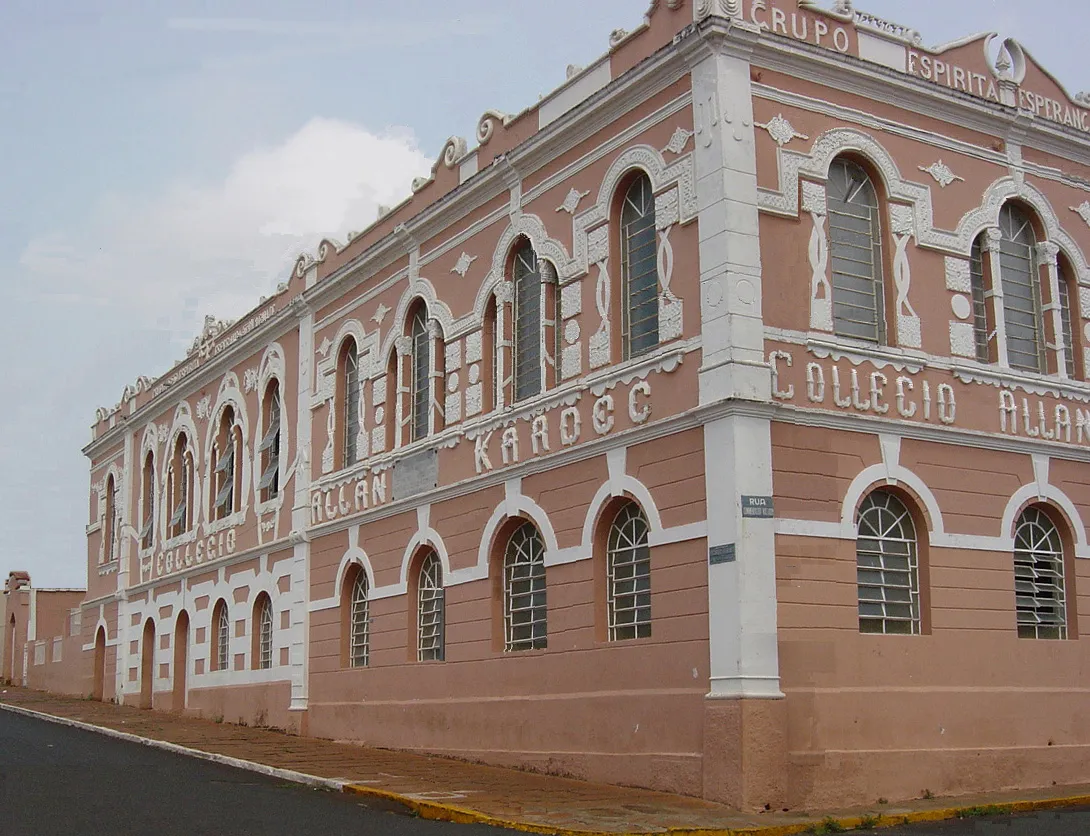
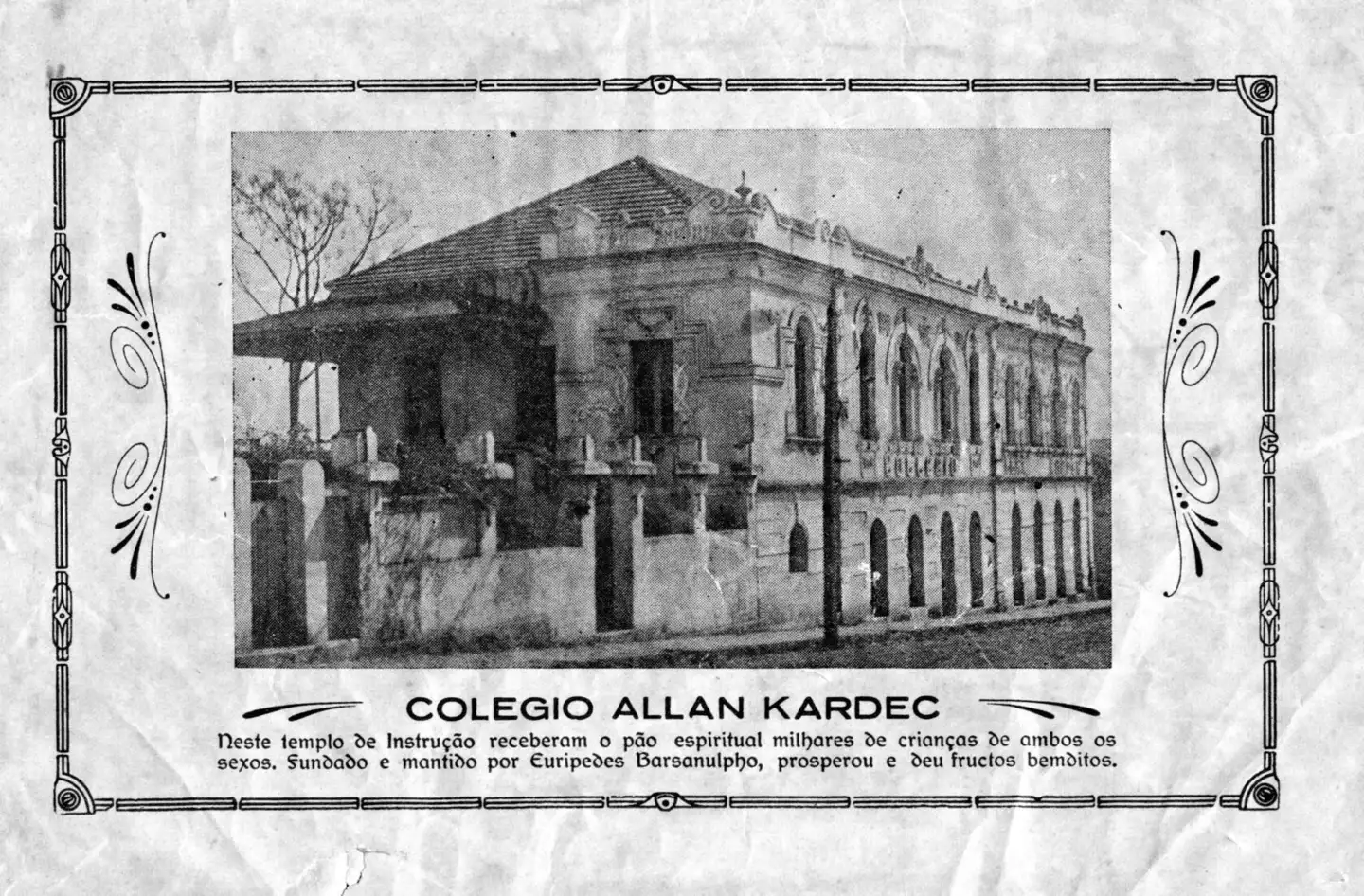
In the beginning (1907), the Colégio Allan Kardec worked in the very residence of Eurípedes. Located on Main Street (exactly where today is the Colégio Allan Kardec and Lar de Eurípedes). The house was very airy, with vast rooms, well distributed, with three bedrooms, two rooms and kitchen. It was acquired by Mr. Dr. João Gomes Vieira de Mello (owner and occupant of the house) and later transfers to Eurípedes for a small amount.
The system adopted of mixed classes brought some discontent to the parents and to resolve the situation, Mr. Cosme Martins de Oliveira with collaborators Angelino Pereira and Frederico Peiró began the renovation, providing the overthrow of the walls forming a wider hall. The opening of this new hall was August 17, 1910.
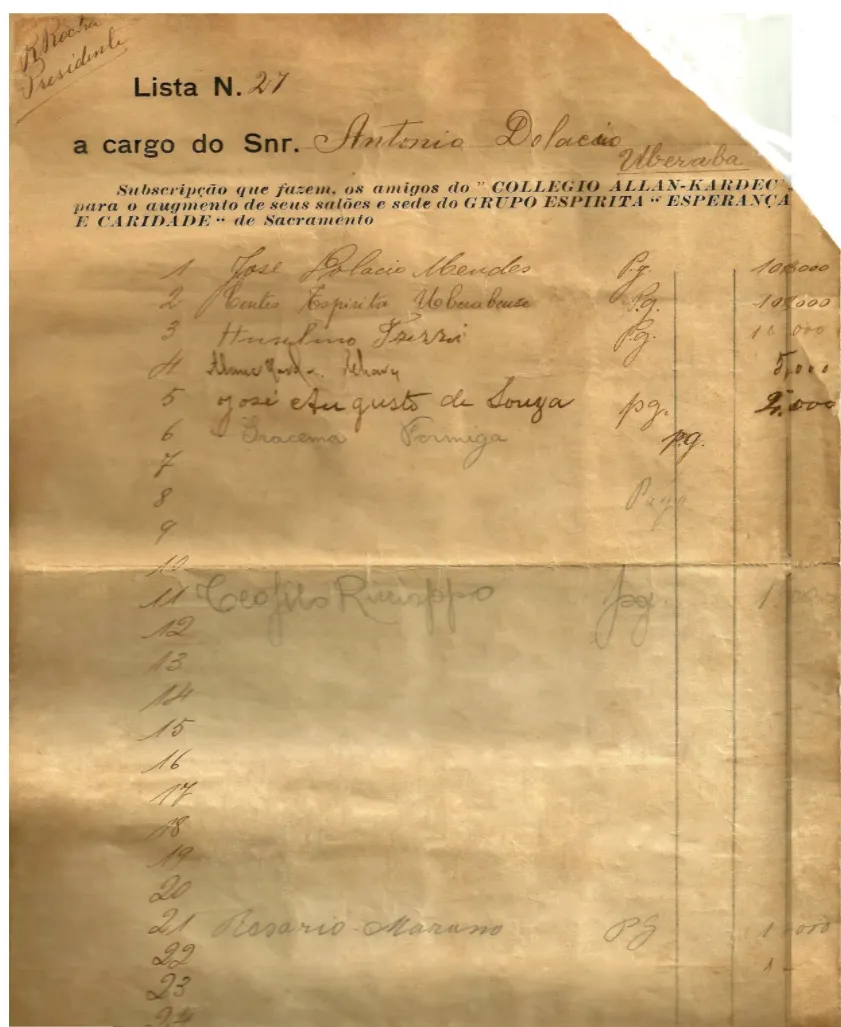
Enrollment increased from year to year, until the classrooms became small for the large number of students, who sought the student. In 1917, they met friends of Eurípedes, led by the Lords. Manoel Corrêa (married to Edirith Irany), José Pereira de Almeida, Lindolfo Fernandes, Angelino Pereira de Almeida and others, with a greater objective, would promote schematic planning for the construction of a building intended for the operation of CAK and the Grupo Espírita Esperança e Caridade. The first step would be to order a specialized professional project in São Paulo - which, by the way, was done. Next, there would be a great campaign to acquire the necessary financial resources to be committed to the work. The organizing committee of the important project distributed lists to many friends of the Spiritist cause, in the region and elsewhere in the country, with the necessary authorization for the work of collecting donations.
The task of demolishing the former headquarters of the College began, at the same time, that new walls arose and the paving and covering of the part started were built. This providence allowed the continuity of the classes.
The construction of this school began in 1913 and only ended 2 years after its disembodiment.
In a talk at Colégio Allan Kardec on 27 March 2003, Alzira recounted a tradition that Eurípedes sketched the unusual building after seeing a school in Ephesus in a vision.
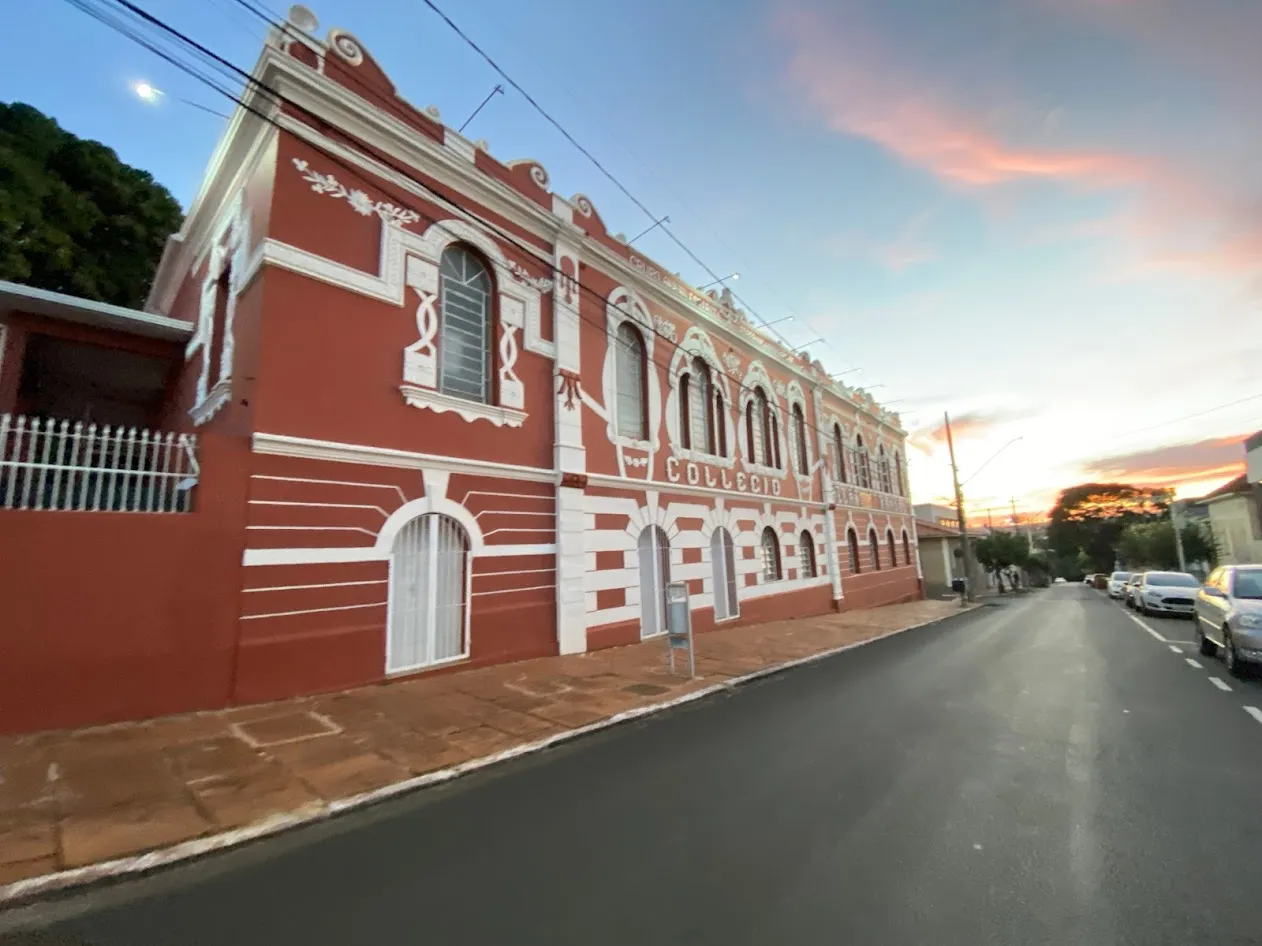
She also recalled finding hand-carved arabesques above the windows during renovations. According to her account, the hall accommodated different levels of instruction, Dona Negrinha taught the primary class and physical education took place under the mango trees.
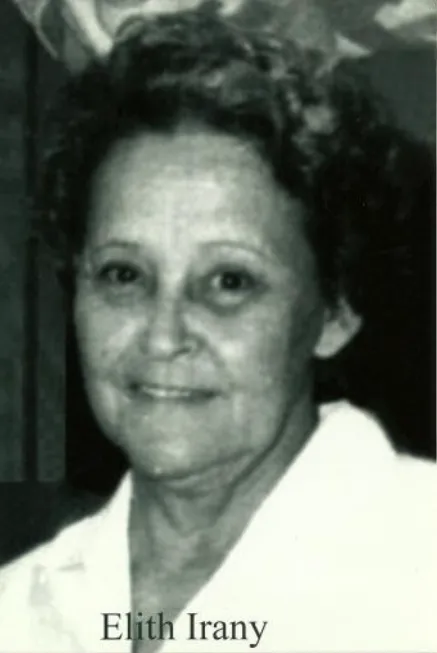
Elith, Eurípedes' sister and student, evidences that he is "emeritus educator, friend of all hours, medium with impressive potential. In the middle of class, at Colégio Allan Kardec, it unfolded to meet the sick, who called it by thought.
When he came back, he exposed the events to the students. At the end of the course he gained the trust of Eurípedes, who had entrusted him with the chairs of Algebra and Natural History for the students of the first class.
Consolidated Structure
In 1920, the regional inspector described the facilities:
- Wonderful classrooms
- Two cabinets
- Wide porch
- Two vast gardened and wooded playgrounds
- Own water in abundance
- Complete sanitary facilities
The Natural Laboratory
The property had valuable resources for the live practice classes:
Fruit trees:
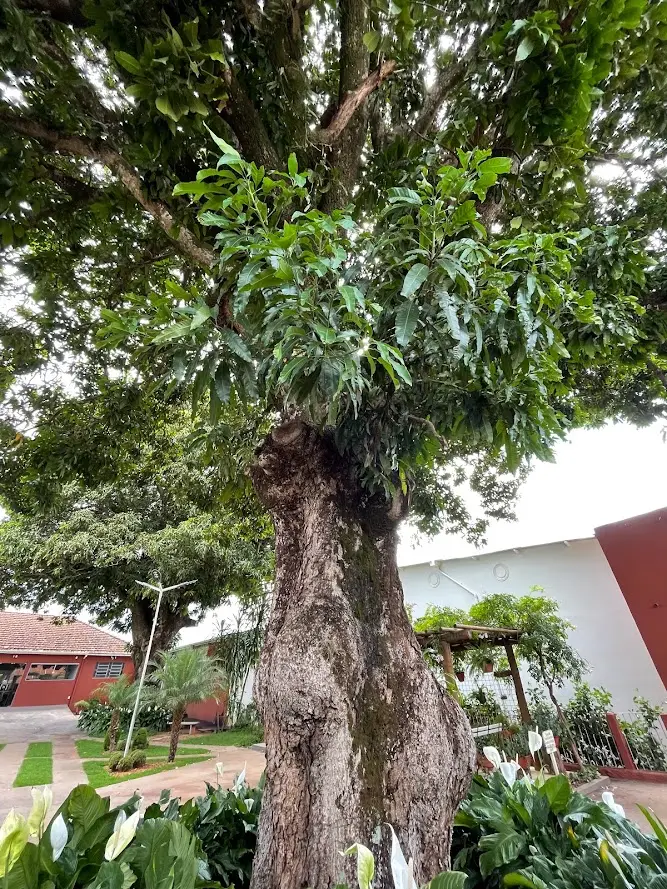
- Century-old mango trees that still stand today
- Plums
- Jabuticabeiras
- Oranges
Ornamental garden:
Eurípedes built a beautiful garden with circular beds where he cultivated roses, violets, carnations, daisies and perfect loves. In the center, a rustic tank completed the environment.
This natural space functioned as true pedagogical laboratory, where students studied botany, biology and natural sciences by direct observation.
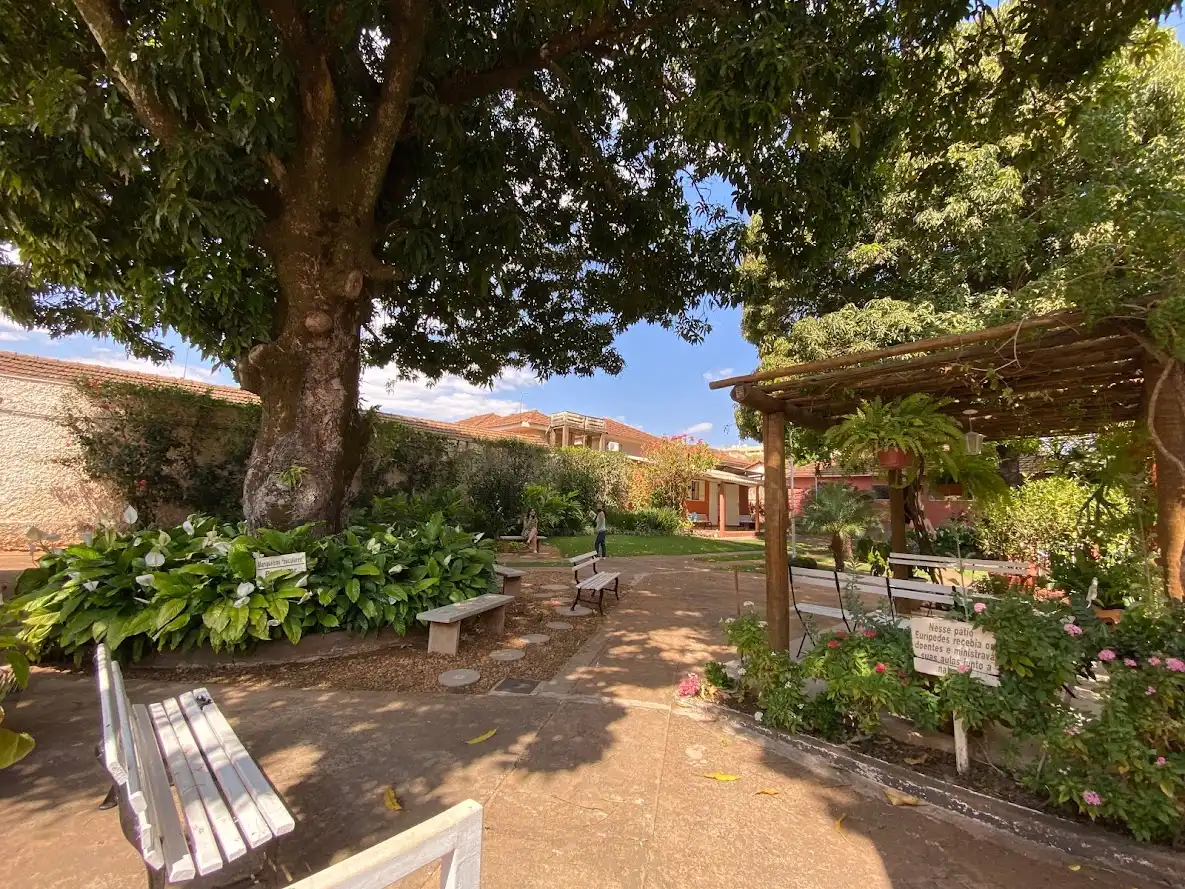
The mango trees still stand today. The Guide has pages on the courtyard they shade and the jasmine plant that blooms by the front of the building.
Revolutionary Pedagogy
Abolition of Physical Punishments
At a time when the paddle was used for corporal punishment in schools, Eurípedes favoured dialogue and understanding. He regarded each pupil as an immortal Spirit in development, worthy of respect and able to respond to example and reason.
Integral Education
Colégio Allan Kardec was a pioneer in providing training that contemplated four dimensions of the human being:
- Physics - respiratory fitness, physical education, hygiene
- Intellectual - all traditional disciplines
- Moral - character formation, ethical principles
- Spiritual - understanding of the transcendent nature of being
Mixed Classes
Boys and girls studied together, an uncommon practice at the time. Novelino recounts that Cosme Martins de Oliveira supported the school and kept his daughters enrolled when other families questioned the policy.
The names that inspired this method appear above, in the passage on the Sacred College: Plato, Kant, Spencer and Pestalozzi. The documentary reading shows that the College anticipated, in the interior of Minas, principles that the Nova School would not spread in Brazil until decades later, the survey is in Foundation of the Colégio Allan Kardec.
Eurípedes took for himself the task of the upper class, teaching the subjects of the curriculum with rare pedagogical vision. He was very demanding in the guidance of students, although his psychology of learning and advanced structuring of conscious and adequate planning was proven. Summarily analytical always required the why of everything. Never left a doubt on the students, every problem situation was broken down, examined in the smallest detail. The live observation of plants was one of the highlights of the teaching process.The students studied enthusiastically.
In many respects, the new pedagogical line became evident in European countries, such as Switzerland and France, through the Active School of Pestalozzi, provided the Sacrament, by the extraordinary vision of Eurípedes, with the enrichment of the didactic-pedagogical contingent. At a time when palmatory was more than active voice, in the school environment, Eurípedes inaugurated the era of understanding and dialogue. The student began to be respected in the natural values that he was a potential carrier, because the master knew them rational faculties, perceptions. This narrowed the teacher/student relationship, creating multiple-trust ties among them.
The theoretical and practical lessons of astronomy were taught to the disciples in general, in collective classes.
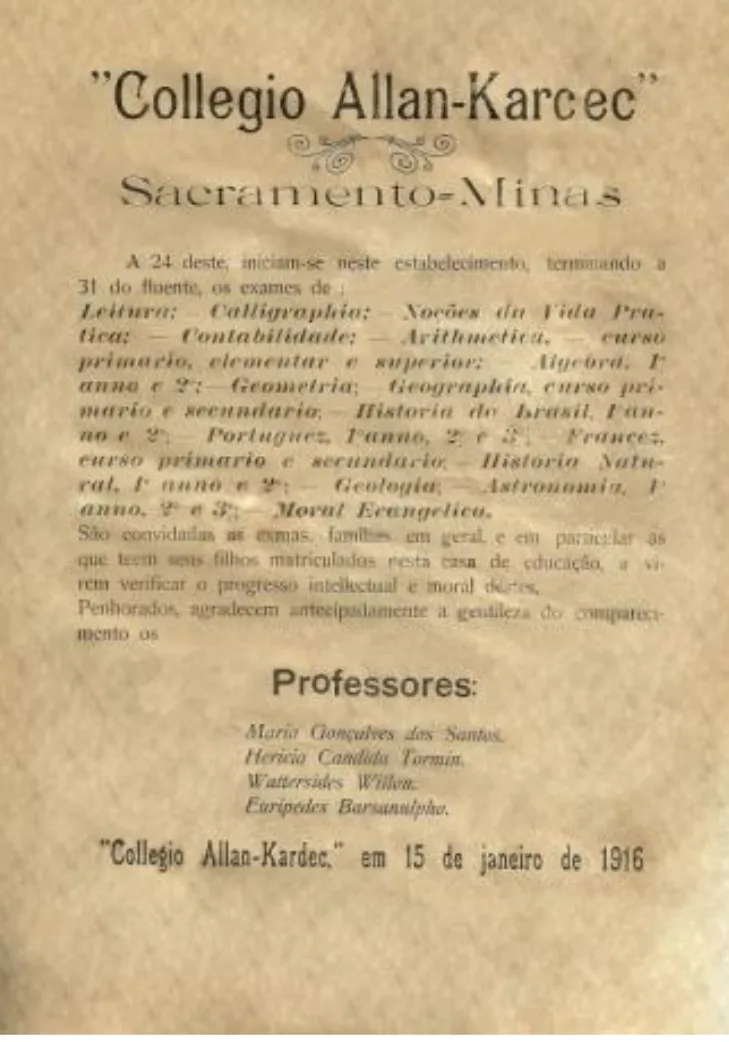
Gospel lessons were held on Wednesdays for all students and some visitors. They began at 12:00 and lasted until 15:00. At first, each lesson focused on one chapter of The Gospel According to Spiritism.
The Curriculum
Three Complete Courses
Elementary course:
Reading, arithmetic, morphology, history and geography of Brazil
Medium Course:
Arithmetics and geometry, universal history, general geography, natural sciences, Portuguese grammar
Higher course:
Portuguese (syntax and literature), French, geometry, cosmography, chemistry
Special Disciplines
Astronomy - For all students, with theoretical lessons and direct observation of the night sky using a field binocular linked to the name Camille Flammarion
Gospel on Wednesdays - Study of The Gospel According to Spiritism and The Book of Spirits, also open to the community
Gynastics and Physical Education - Daily classes under trees, with breathing exercises
Arts - Theatre, music, visual arts
📅 Wednesdays at the school. The Gospel lessons ran from 12:30 to 15:00 and drew visitors from Sacramento and the surrounding area as well as students.
The documentary record adds the operation in two shifts, from 7h to 10h the female section, from 10h to 15h the male, followed by an hour of manual work, and the purchase of the field binocular, in 1911, for classes of astronomy. The Gospel classes on Wednesdays, open to the city, are also described in the section of the archive reproduced above. Today's activities, with their schedules, are in Hours and Visitation and in Gospel.
Innovative Practices
Live Classes
Classes took place in the garden, by the plants. Students looked directly at nature, dissected animals to study functional systems, and learned from experience, not just from books.
Customized study handouts
Eurípedes prepared his own handouts on Portuguese, astronomy and spiritism, adapted to the needs of students.
Evangelical Tournament
In Wednesday's classes, after the exhibition, the students asked each other questions in an "evangelical turnaround". Often, children of the elementary course won young people from higher education courses, demonstrating that spiritual knowledge transcends age.
Solar Eclipse as Class
The Guide recounts how Eurípedes gathered his students to observe a solar eclipse. In the episode, the pupils used what they had learnt to explain the eclipse to people who feared it was a punishment from God.
Eurípedes always encouraged students in different ways, aiming at the highest level of use in their college. It encouraged the good theater, through the periodic promotion of artistic festivals, which were in the memory of the participating students and the people of the time. It was against the award institution.
Eurípedes as an educator knew the importance of nature as a sublime instrument for the spirit in the acquisition of values. In his classes he took the students to nature, encouraged them to respect divine things, plants, animals, the Borá River, the beauty of the firmament, the stars, finally his classes taught the greatest commandment.
The Teachers
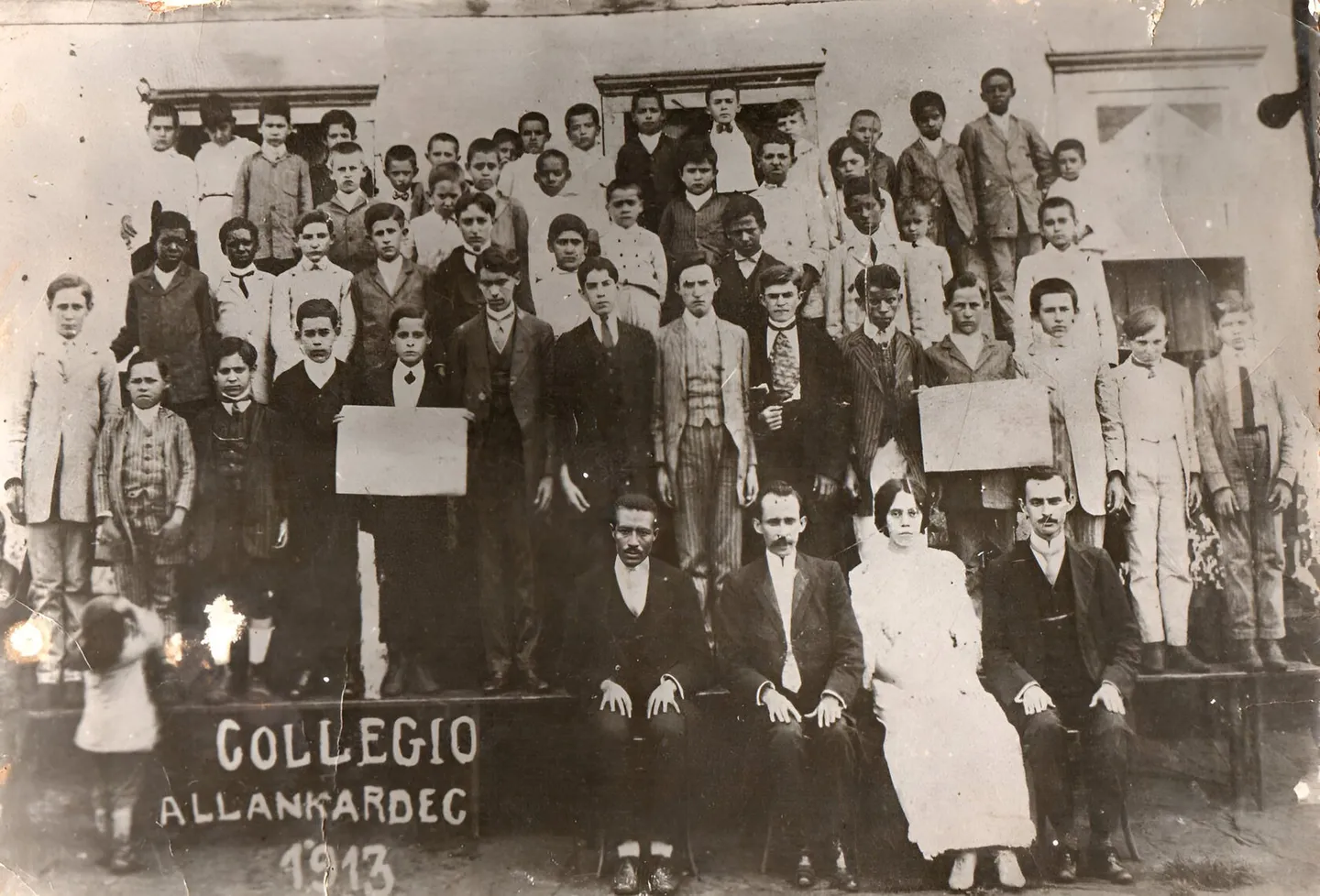
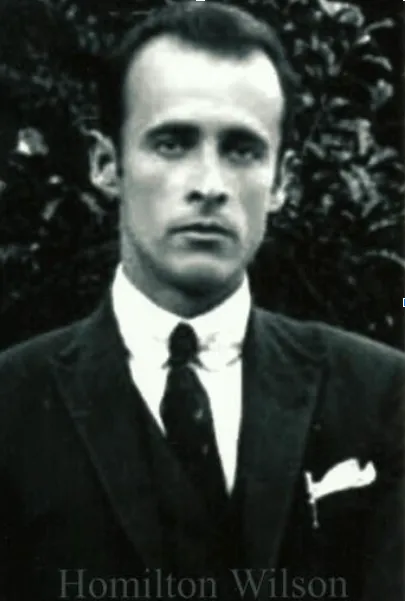
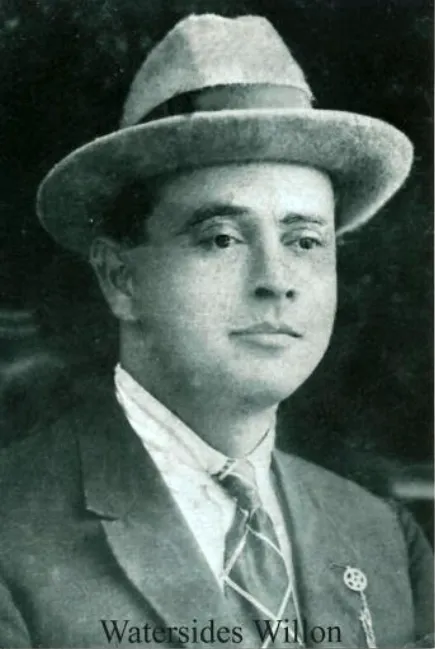
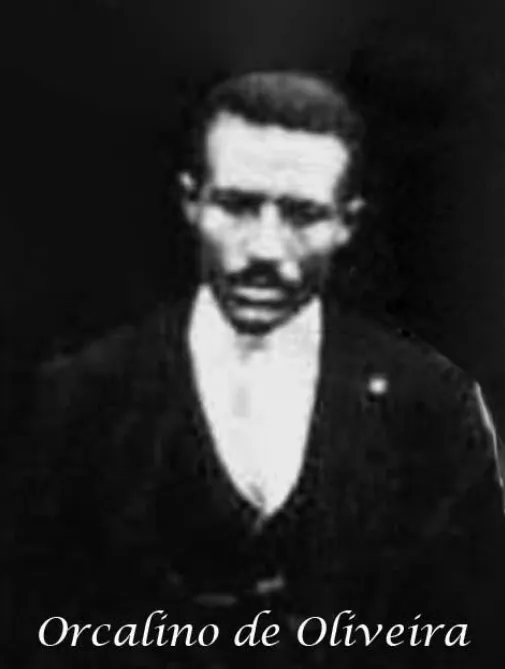
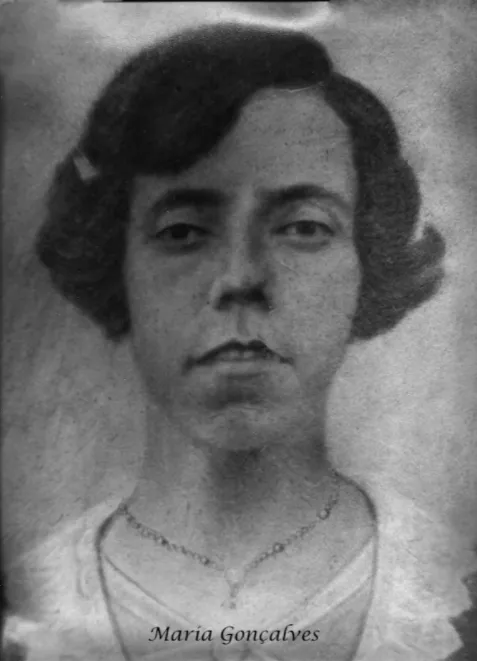
Among the collaborators of Eurípedes, we quote: Watersides Willon, Homilton Wilson, Wenceslau Rodrigues Cilan, Zenon Borges, Orcalino de Oliveira, Maria Gonçalves, who governed classes in elementary and middle courses. Wateville Wilman began to collaborate in the elementary course of the College.
The pictures below come from the college collection. Watersides Willon, brother of Eurípedes and one of the names mentioned above, would take the lead after 1918.
Extraordinary Results
Official recognition
Regional inspector Alberto da Costa Mattos visited the school on 13 August 1920. His report, dated 14 August, appeared in Reformador on 16 September 1920 (p. 376).
Mattos noted the students’ progress after attending lessons and examining them in several subjects. He commended the preparation of the school singing and the care given to physical exercises.
Leaders Training
Colégio Allan Kardec left:
- Brilliant journalists
- Dedicated teachers
- Tribunes of the Spiritist Movement
- Respected professionals in various areas
During the criminal prosecution against Eurípedes for "illegal practice of medicine", were their own students who supported brilliant defense in the newspapers of Uberaba, Franca and Ribeirão Preto.
Historical note: In public debates in the square, former students of Colégio Allan Kardec - without university education - won discussions with bachelors trained in major centers, such was the solidity of their formation.
The range of the College was not measured only in exams. It worked together with the Spiritist Pharmacy Hope and Charity and with the Grupo Espírita Esperança e Caridade, forming a network of assistance to the city, the documentation of this set is in Colégio Allan Kardec Foundation.
Work Continuity
After the disembodiment of Eurípedes in November 1, 1918, the college continued to function under his brother's direction Watterssides Willon and the team of teachers trained in the institution's own banks.
In 1975, educational activities were transferred to the Escola Eurípedes Barsanulfo, created by Corina Novelino and Tomás Novelino. The historic building of Colégio Allan Kardec was consolidated as the headquarters of the Grupo Espírita Esperança e Caridade and memorial, preserving the memory and principles of the educator.
The section of the file, then, details the years of direction of Eurípedes' brother and the closing of the doors.
From 1918 to 1925
With the disembodiment of Eurípedes Barsanulpho, which took place on November 1, 1918, he takes over the direction of the establishment his brother and collaborator Prof. Watercides Willon, assisted by Homilton Wilson, Wenceslau Rodrigues Cilau, Zenon Borges, Corina Novelino, Celina France, Eusapia Novelino.
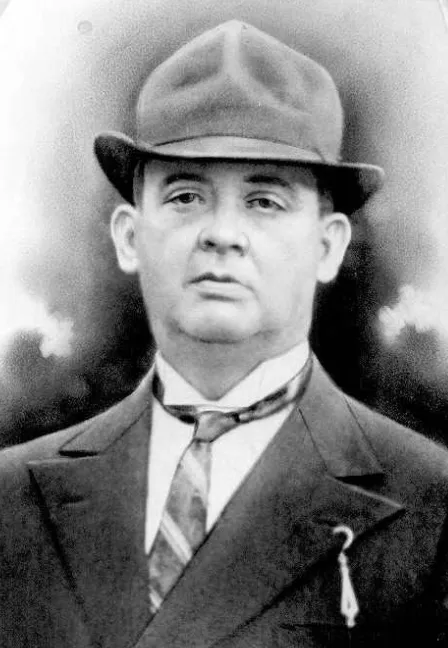
Watersides Willon - Director from 1919 to 1925.
Thus, the activities of the Colégio Allan Kardec had not changed at all, it continued to maintain the same pedagogical philosophy printed by Eurípedes: they continued the same courses, the same artistic activities and the same way of carrying out the final exams.
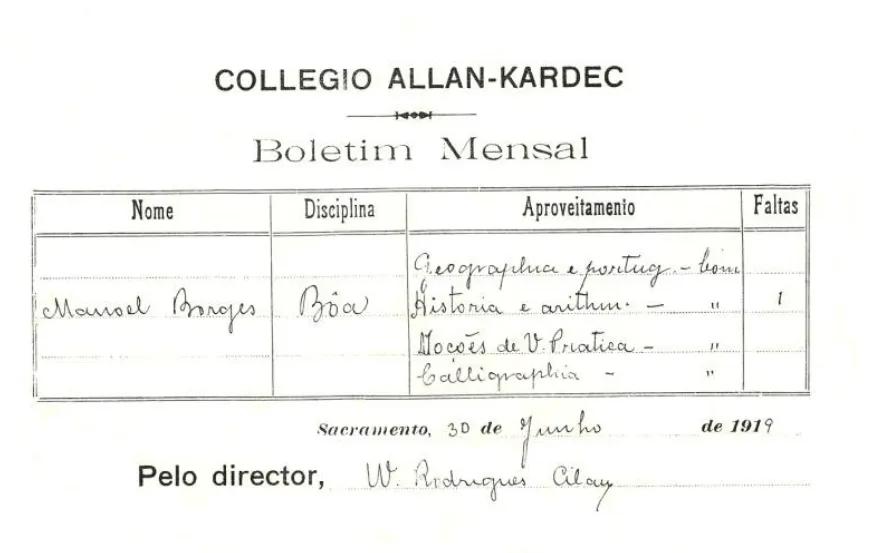
In 1925, due to the profound educational reforms promoted by the Federal Government, the College no longer offered the conditions to meet the devices of the reform itself, having even lost a considerable number of students, for the Afonso Pena Junior School Group, inaugurated in 1921, with modern facilities for the time and the advent of a private school, which coincidentally would be called Liceu Sacramentano.
Besides, Prof. Watercides no longer had the physical conditions to run the College, a victim of insidious disease that had physically and mentally shaken him. This way, already in 1925, the doors of the College closed.
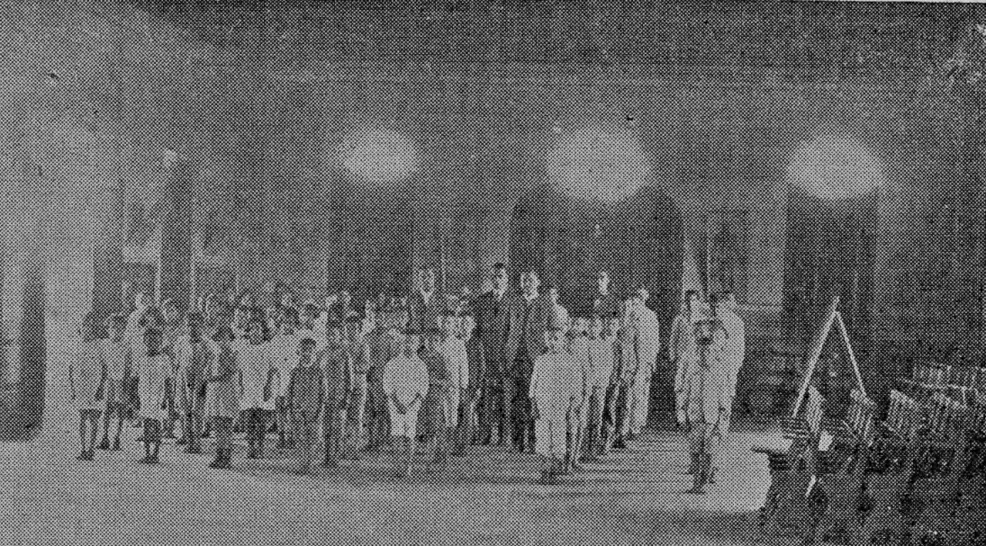
Closing and reopening (1925-1936)
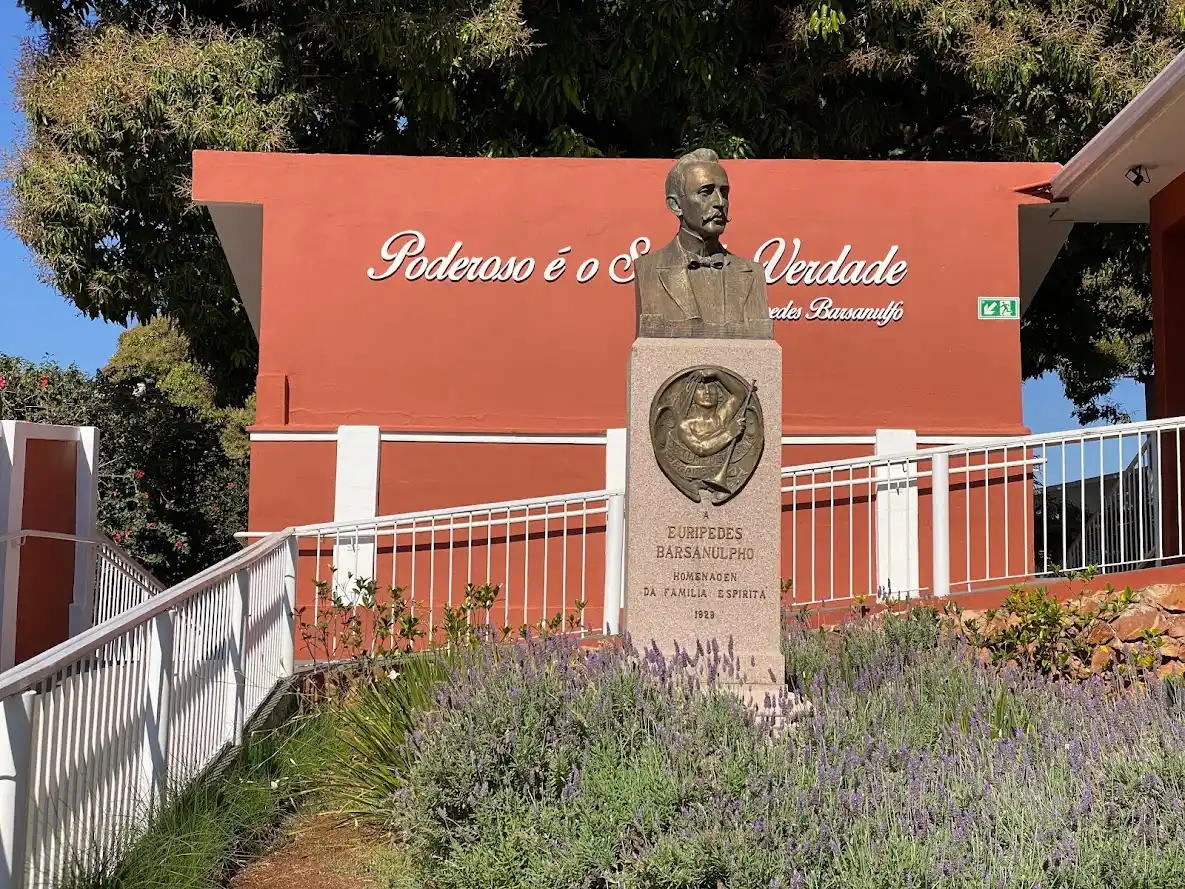
The doors were closed for ten years. The College closed activities in 1925 under the circumstances described above, and did not start working again until 1935. The hiatus did not interrupt the work: it was in this period, between 1927 and 1929, that stood up the bust of Eurípedes in the garden of the institution.
The reopening came in 1935, under the direction of Homilton Wilson, Eurípedes' younger brother, with the impulse of Manoel Soares, who had taken over the presidency of Grupo Espírita Esperança e Caridade. Homilton was eighteen when Eurípedes disembodied and grew up within the institutions created by his brother.
The following year came the official recognition: in 1936 the school was registered in the Secretariat of Education and Culture of Minas Gerais under the name of Allan Kardec School, having the Grupo Espírita Esperança e Caridade as a maintainer organ (NOVELINO, 1979). The registration confirmed the philanthropic and free character, gave official validity to the certificates and inserted the school in the mining educational system, eighteen years after the founder had responded to the process for illegal practice of medicine.
From Allan Kardec School to the state network (1941-1971)
Homilton Wilson led the school until 1941, accumulating the direction with the presidency of the Spiritist Group, and then passed the responsibility to Colina Novelino, who led it until 1964. In that year the school went to the state, with successive names of Sacramento Combined Schools and Sacramento Reunited Schools (NOVELINO, 1979).
The closure came in 1971, when Law no. 5.692/71, which reformed the guidelines of national education, brought demands that the institution could not meet. The open cycle was thus closed in 1907.
The Escola Eurípedes Barsanulfo since 1975
The gap didn't last long. In 1973, Corina Novelino and her cousin Tomás Novelino, both graduated in the principles of Eurípedes, began to mobilize the community for a new school; in 1975 they inaugurated the Escola de Primera Grau Eurípedes Barsanulfo, near Vila Sinhazinha, where the Spiritist Group already maintained care work. The name was a statement of continuity.
Corina recalled an instruction attributed to Eurípedes that gave the school priority if she had to close the pharmacy. The charitable school remains active under the management of Lar de Eurípedes and is affiliated with Grupo Espírita Esperança e Caridade. It celebrated its fiftieth anniversary in 2025.
Dates and numbers: what each font says
In three points the sources do not match. Instead of choosing one version and discarding the other, the two are registered here, with their origin, so that the reading does not depend on our choice.
| Subject | What does the published text say | What documents and research say |
|---|---|---|
| Foundation | 31 January 1907, the date on which the Liceu Sacramentano is called Colégio Allan Kardec (NOVELINO, 1979) | Official inauguration on April 1, 1907, reported by The Reformer in the same year |
| Students at the beginning | Over 200 enrollments a few weeks after the change of name | 108 present at the inauguration and 30 students enrolled, of both sexes (The Reformer, 1907) |
| Closure | It worked until 1975, when educational activities were transferred to the Escola Eurípedes Barsanulfo | It ended in 1971, by Law no. 5.692/71; the Escola Eurípedes Barsanulfo was inaugurated in 1975. |
The first two disagreements are well explained: the January date marks the act of foundation, and the April, the public inauguration; the numbers of The Reformer It's the day of the opening, before the license plates arrived in the following weeks. The closure is also clarified by the research: 1971 by the new law of guidelines, with the Escola Eurípedes Barsanulfo opened in 1975.
The building today
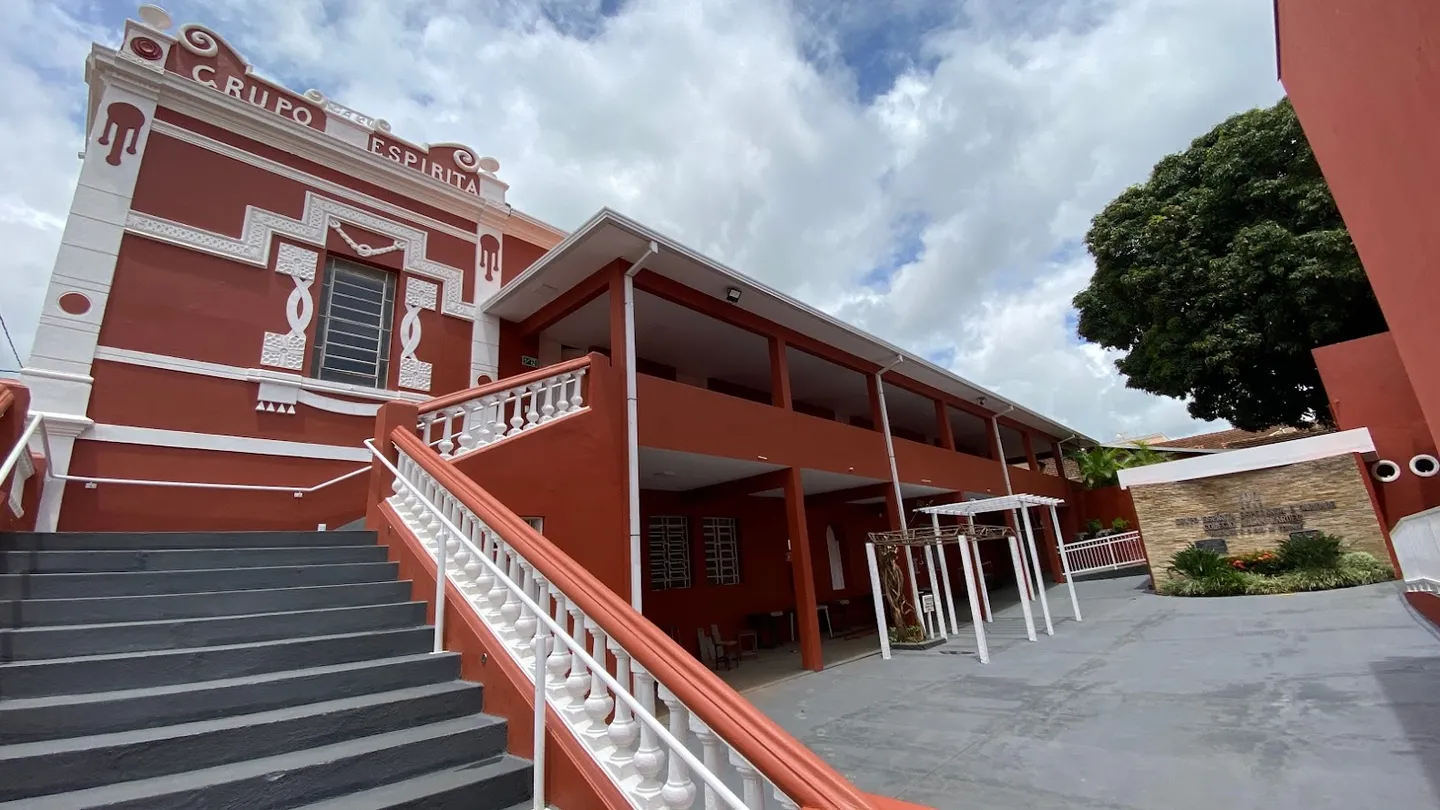
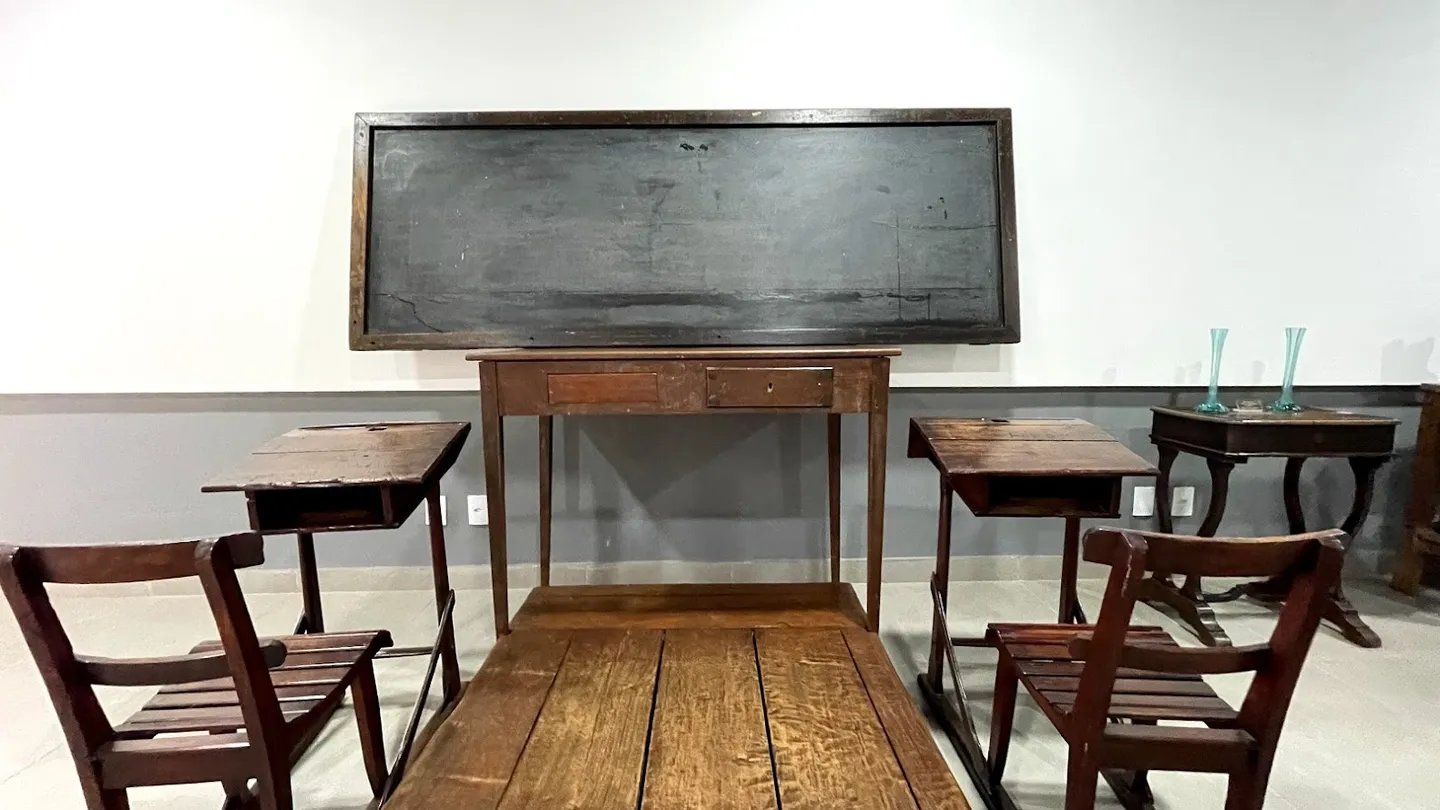
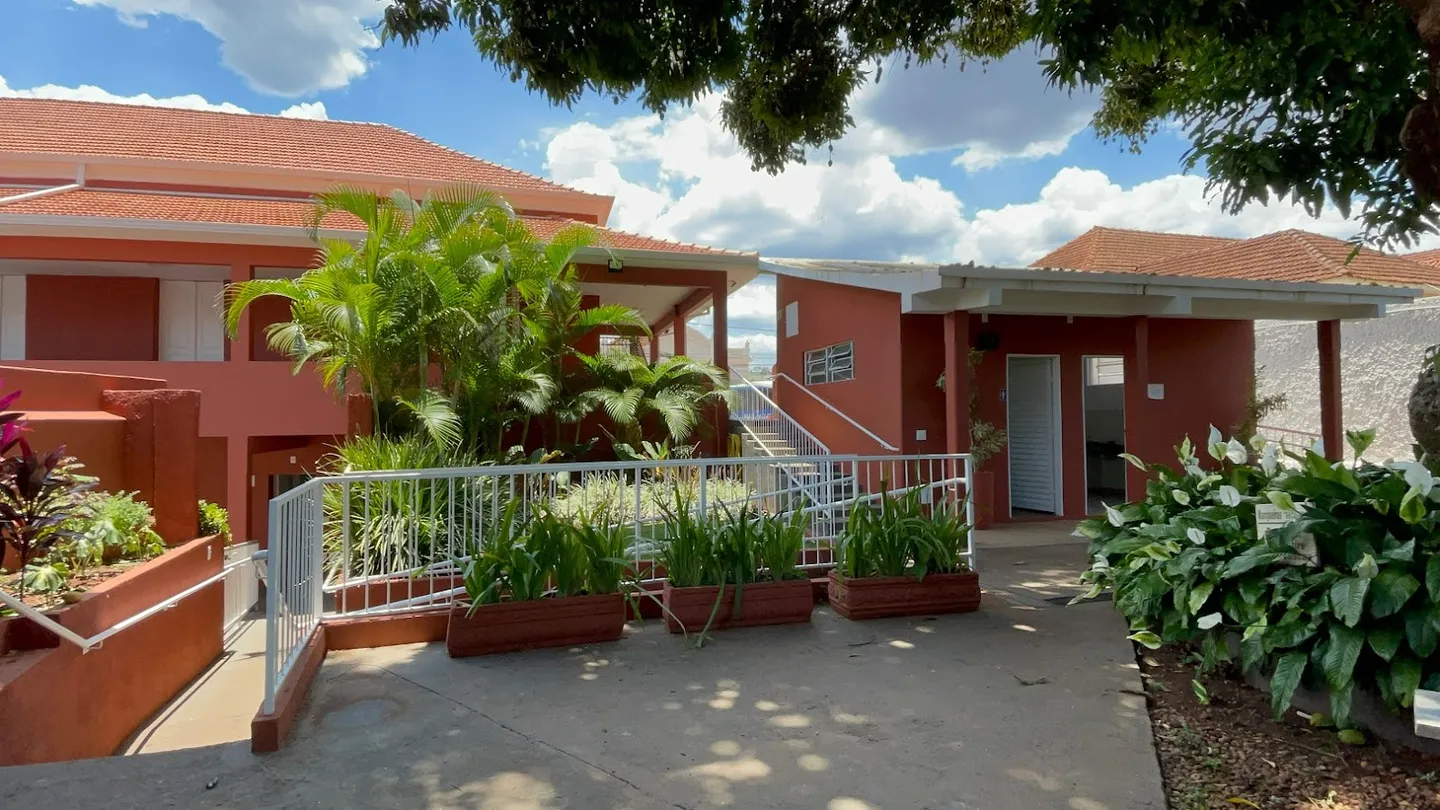
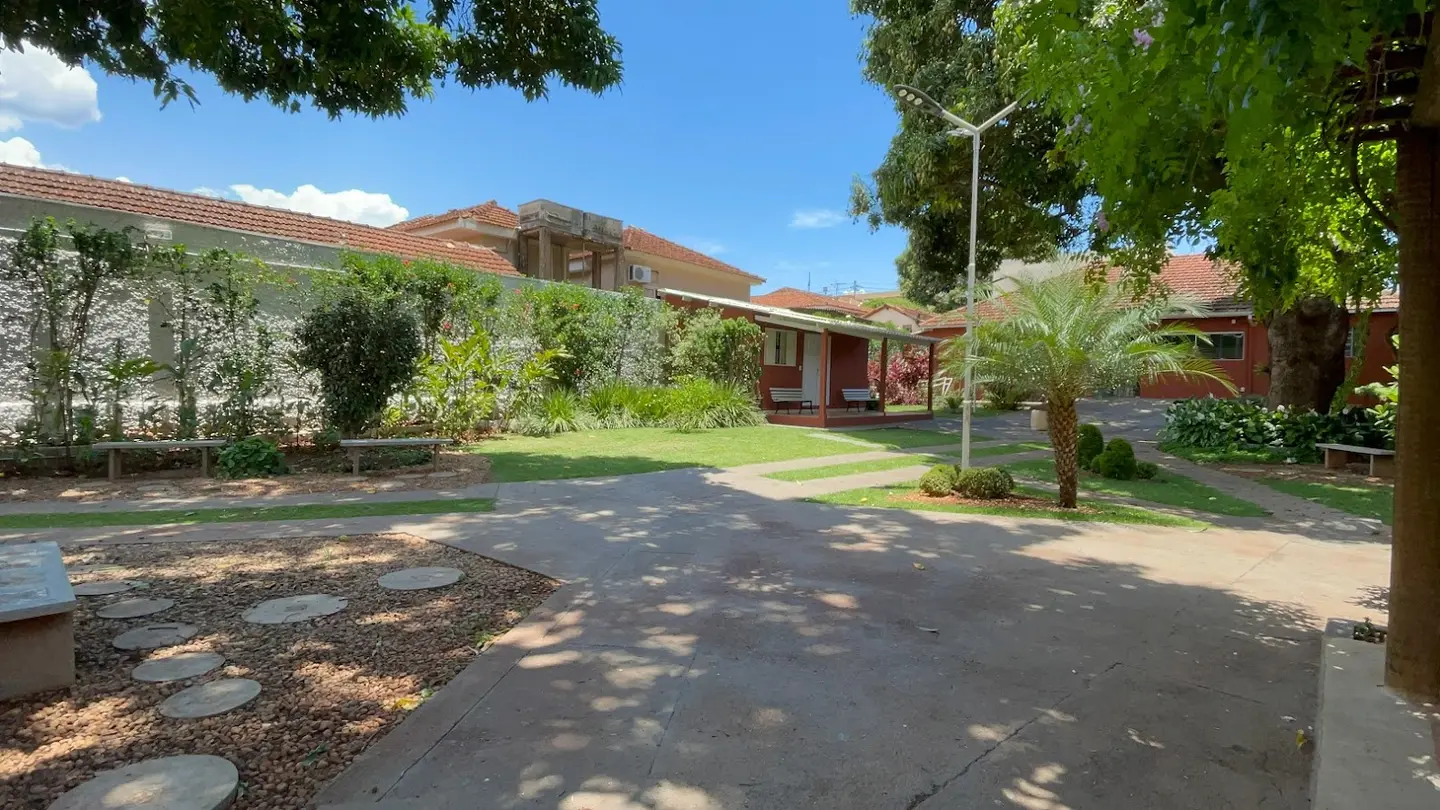
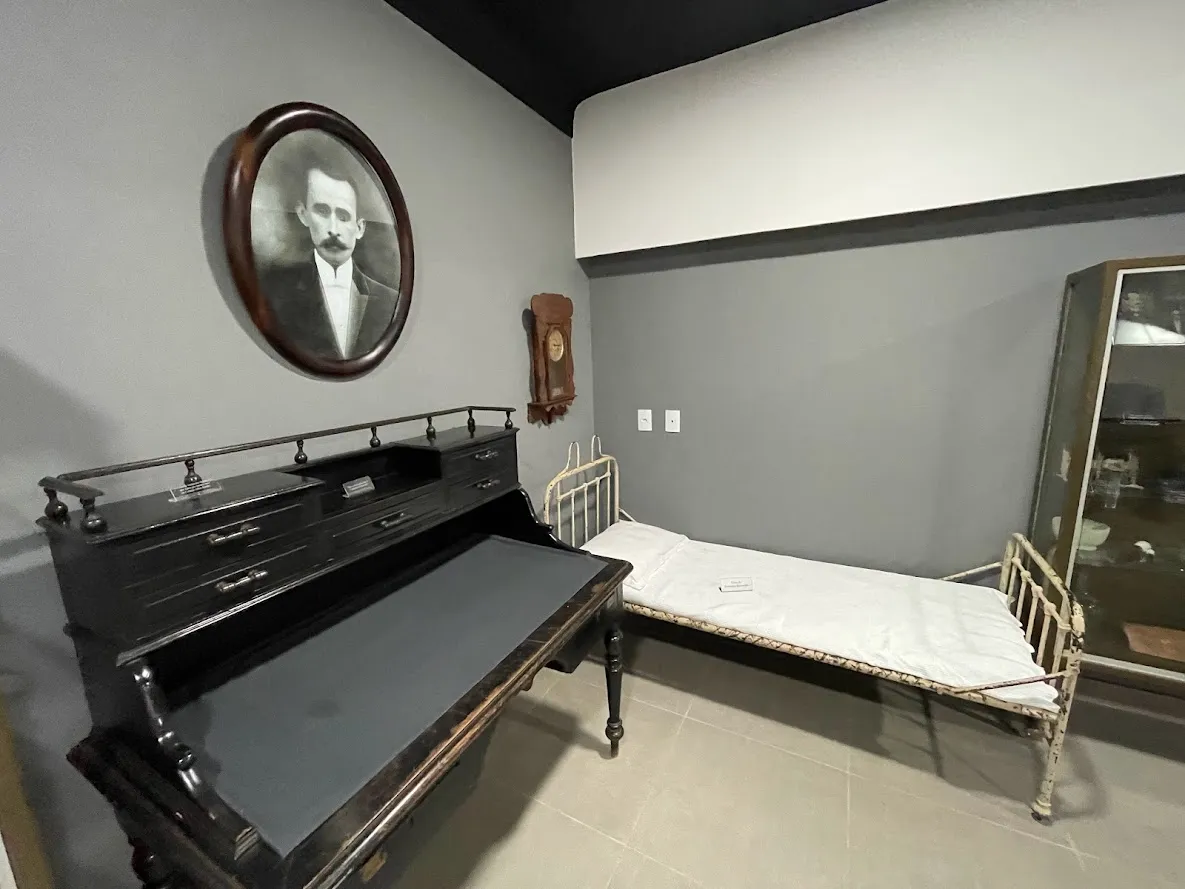
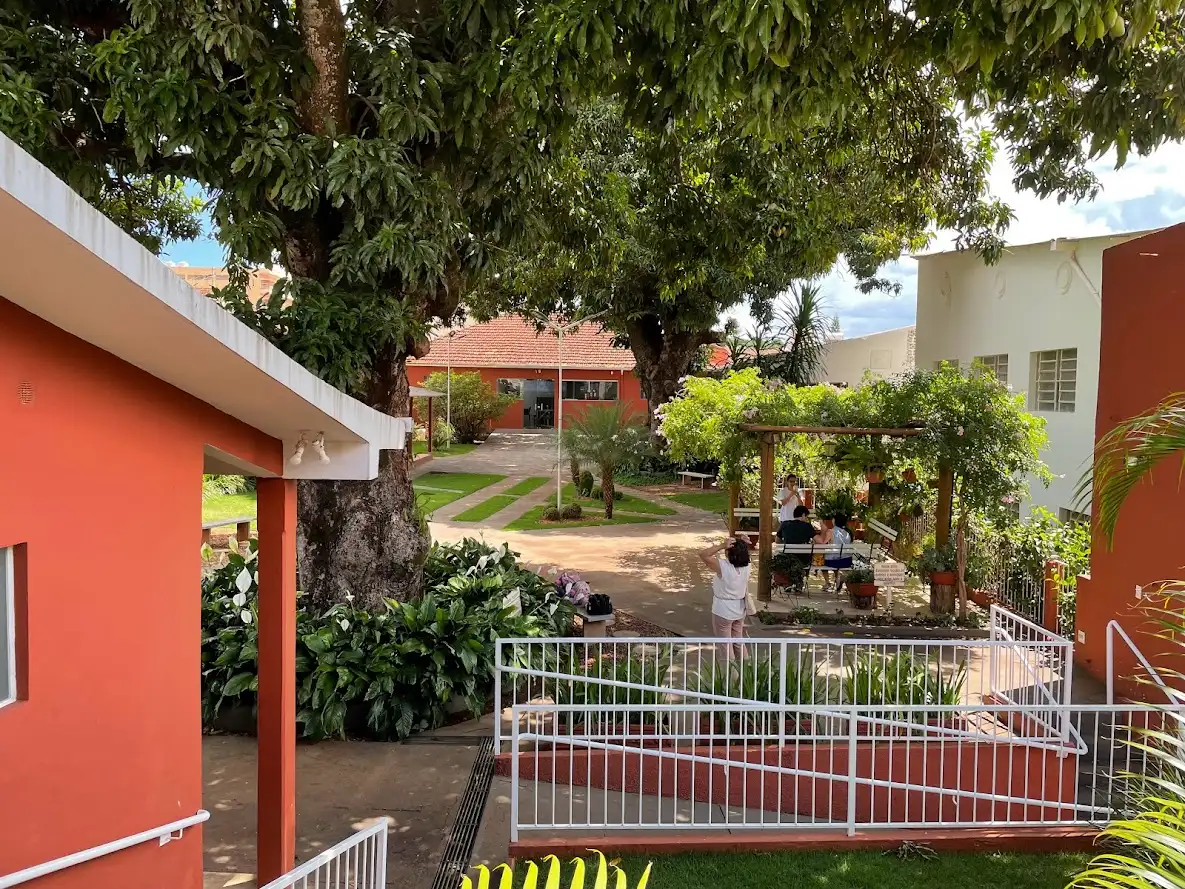
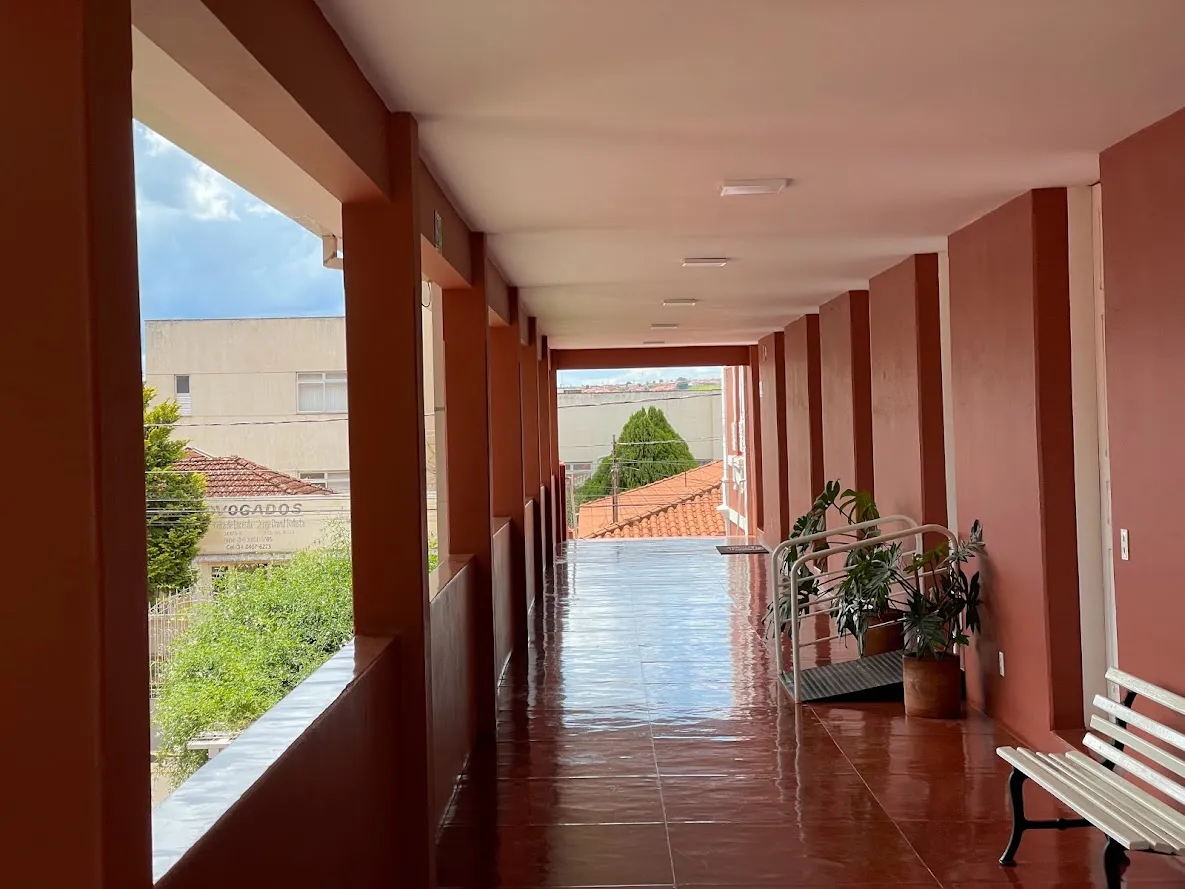
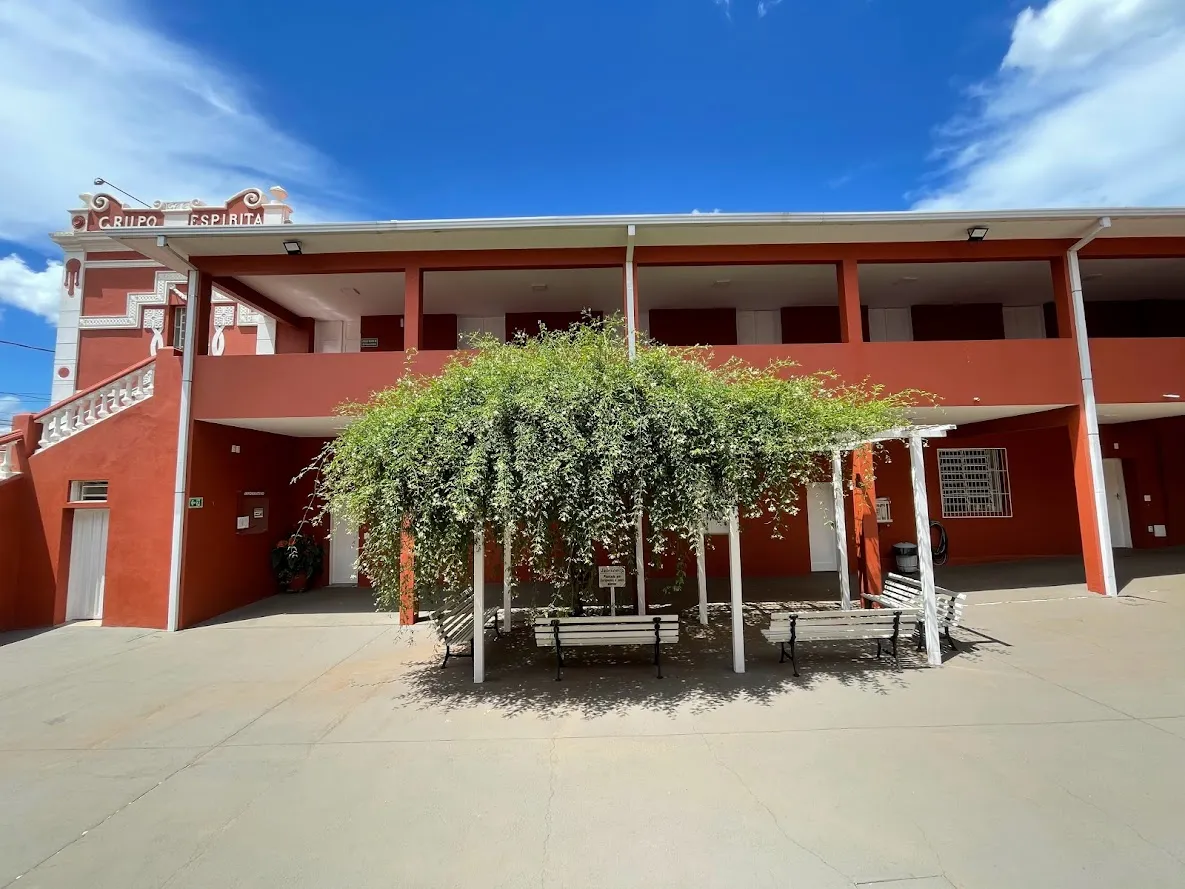
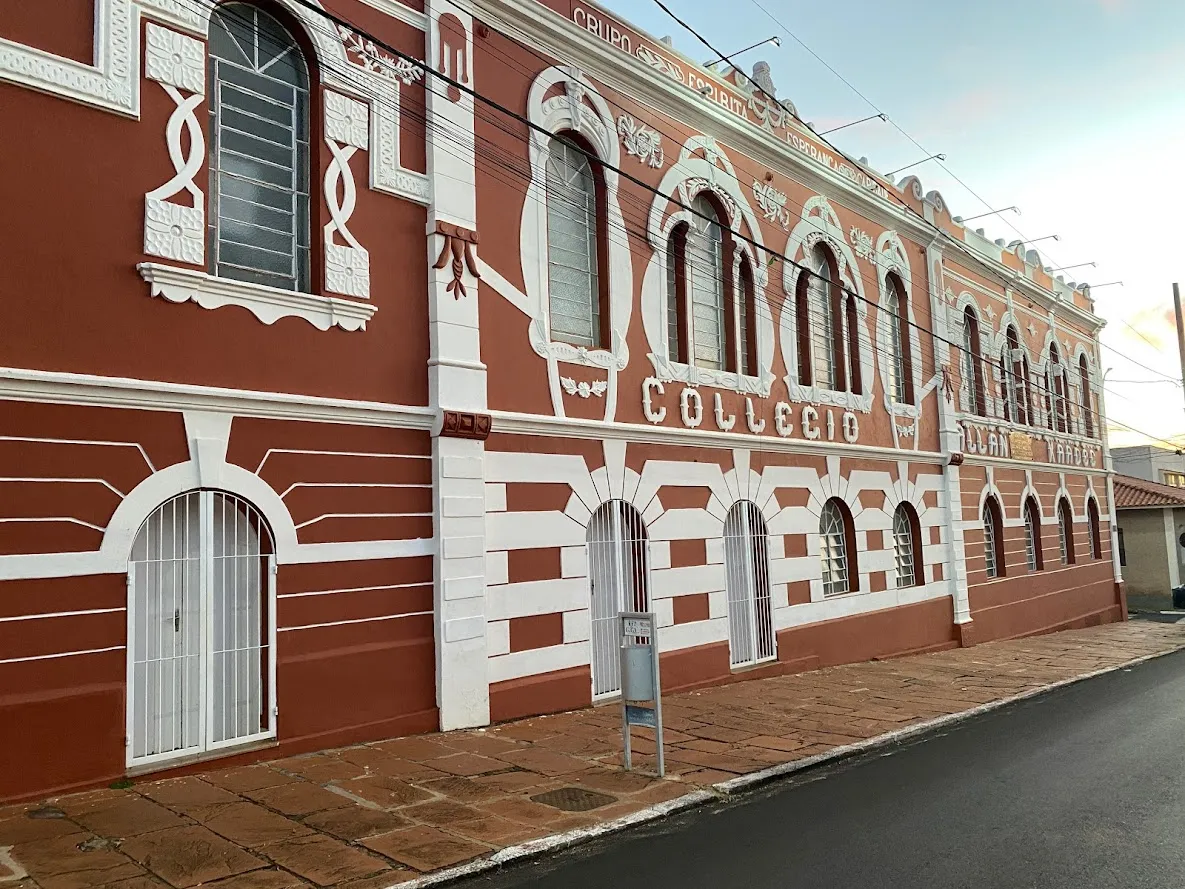
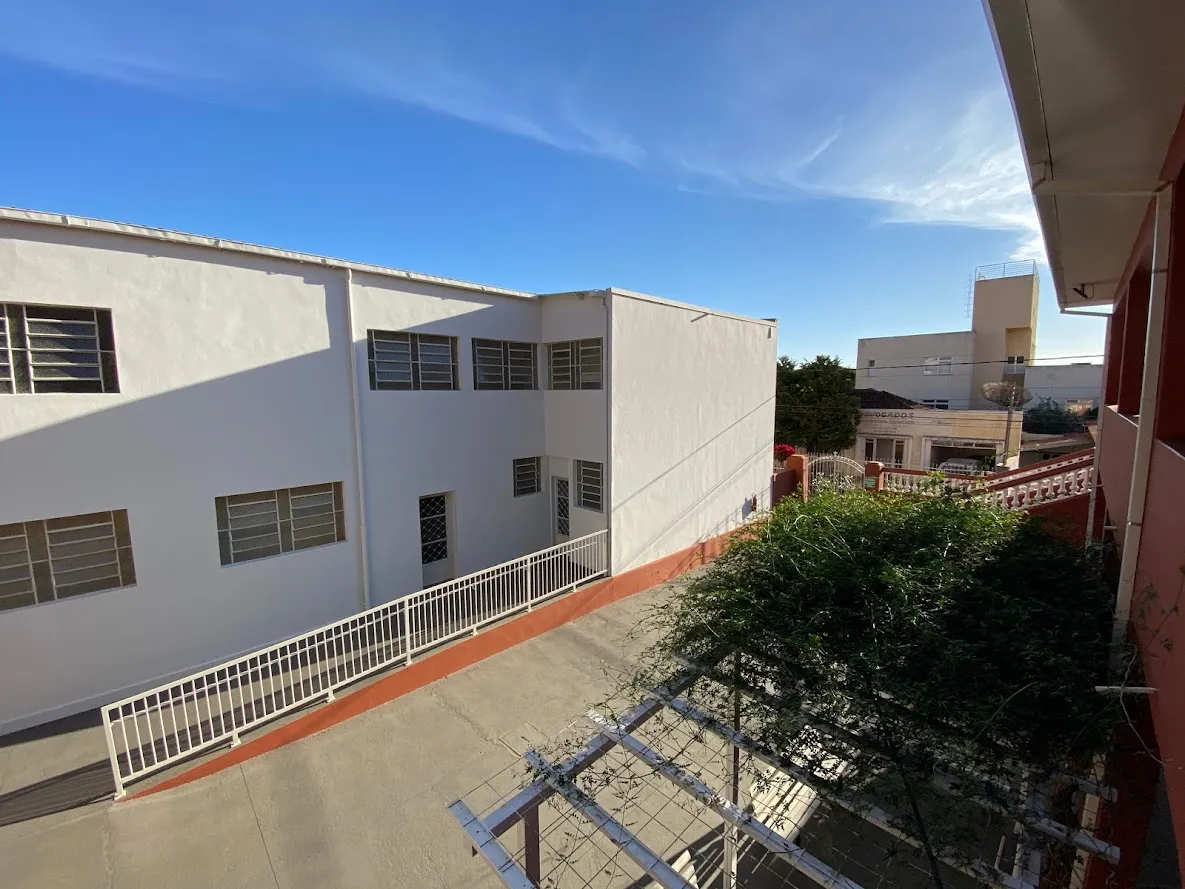
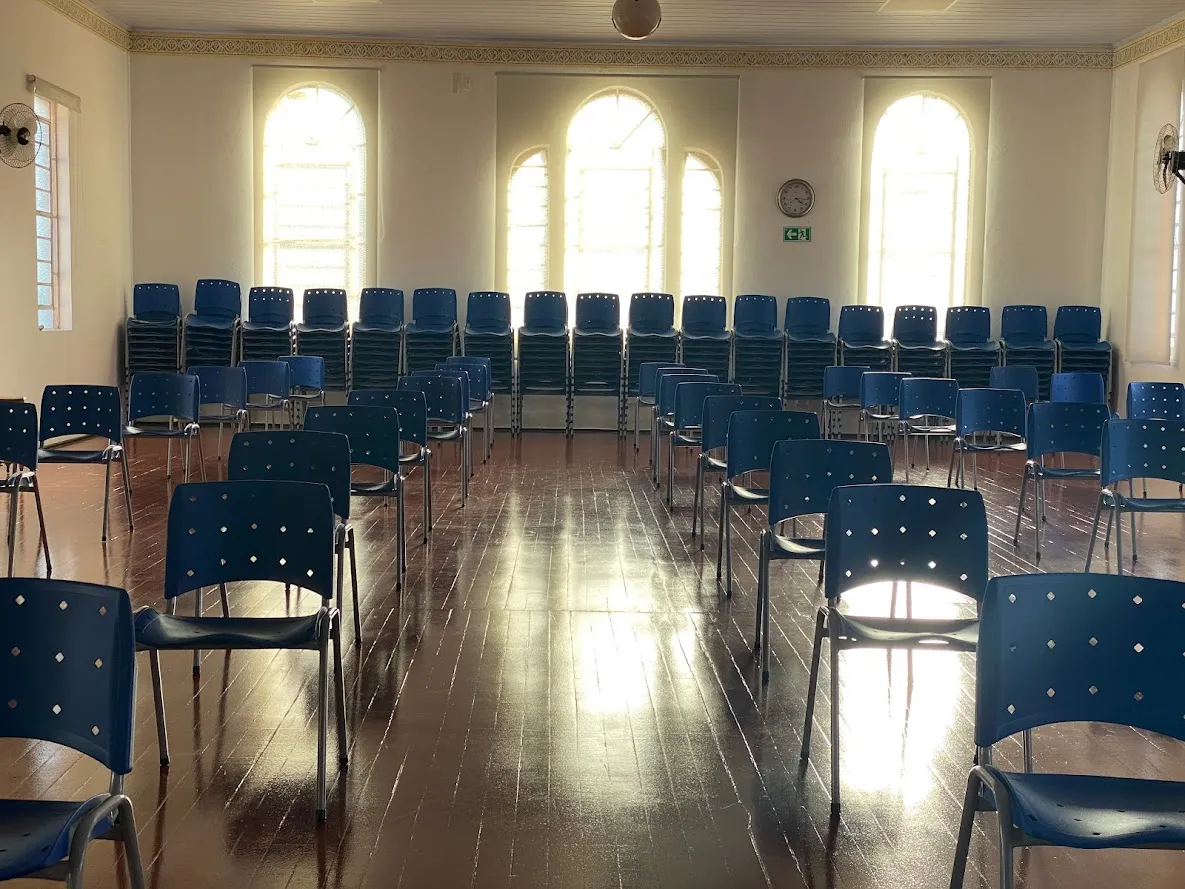
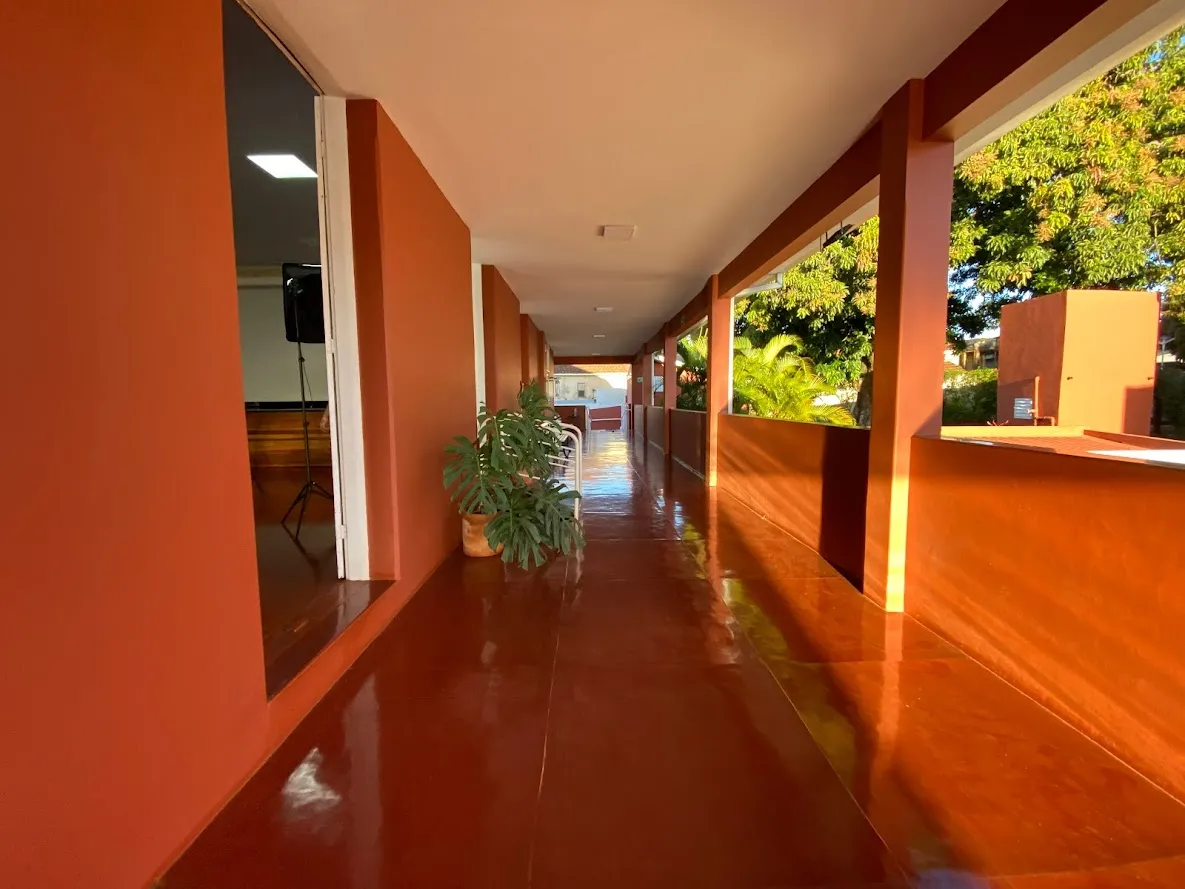
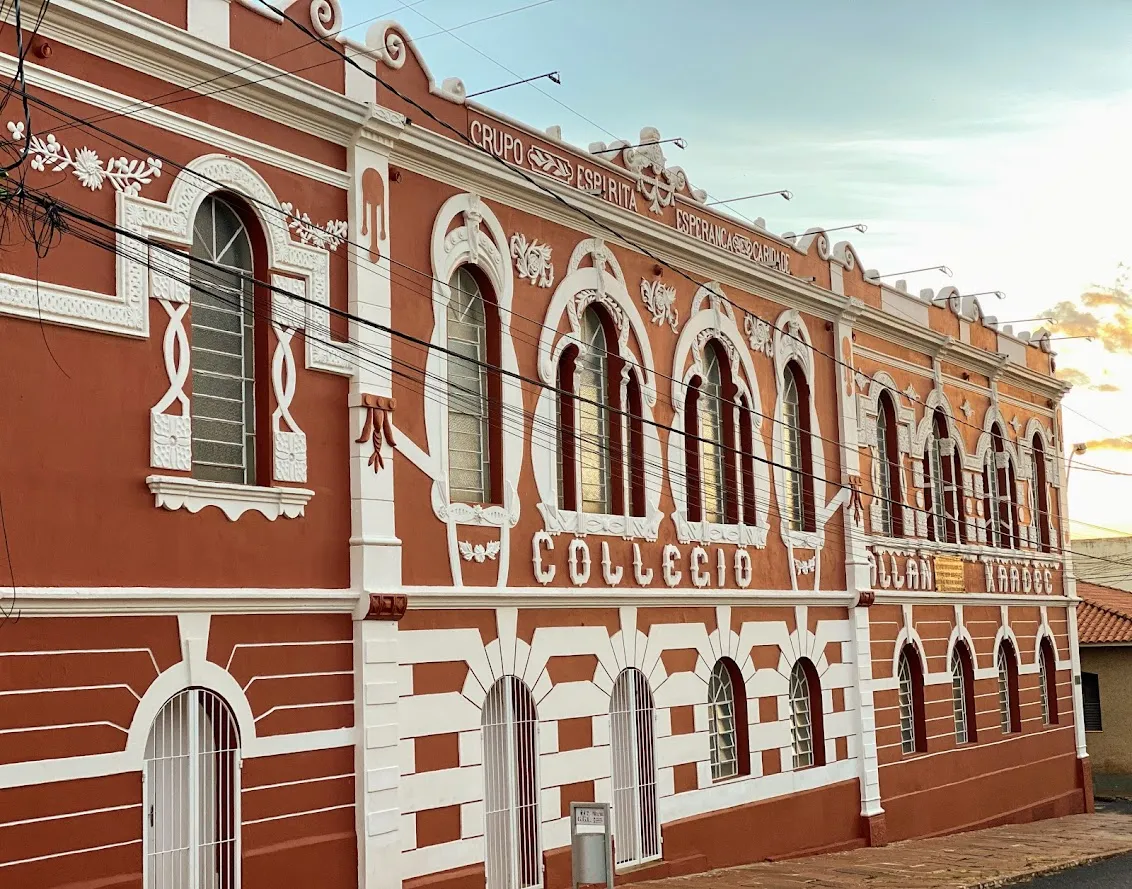
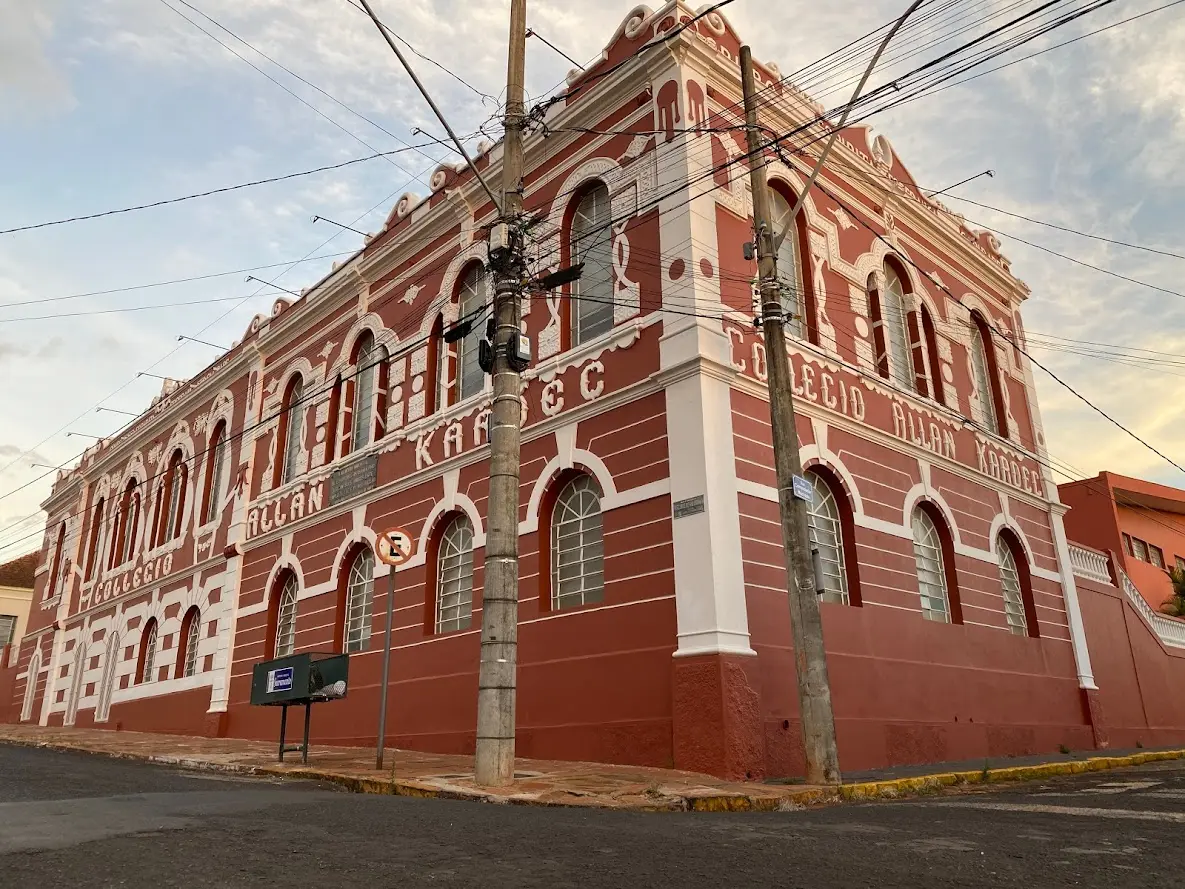
The historic building did not become a closed-door museum: it is still in use. It houses the Grupo Espírita Esperança e Caridade, the Memorial Eurípedes Barsanulfo, the bust in the garden and, next to it, the Lar de Eurípedes. The classrooms, the covered corridor and the patio are open to visit.
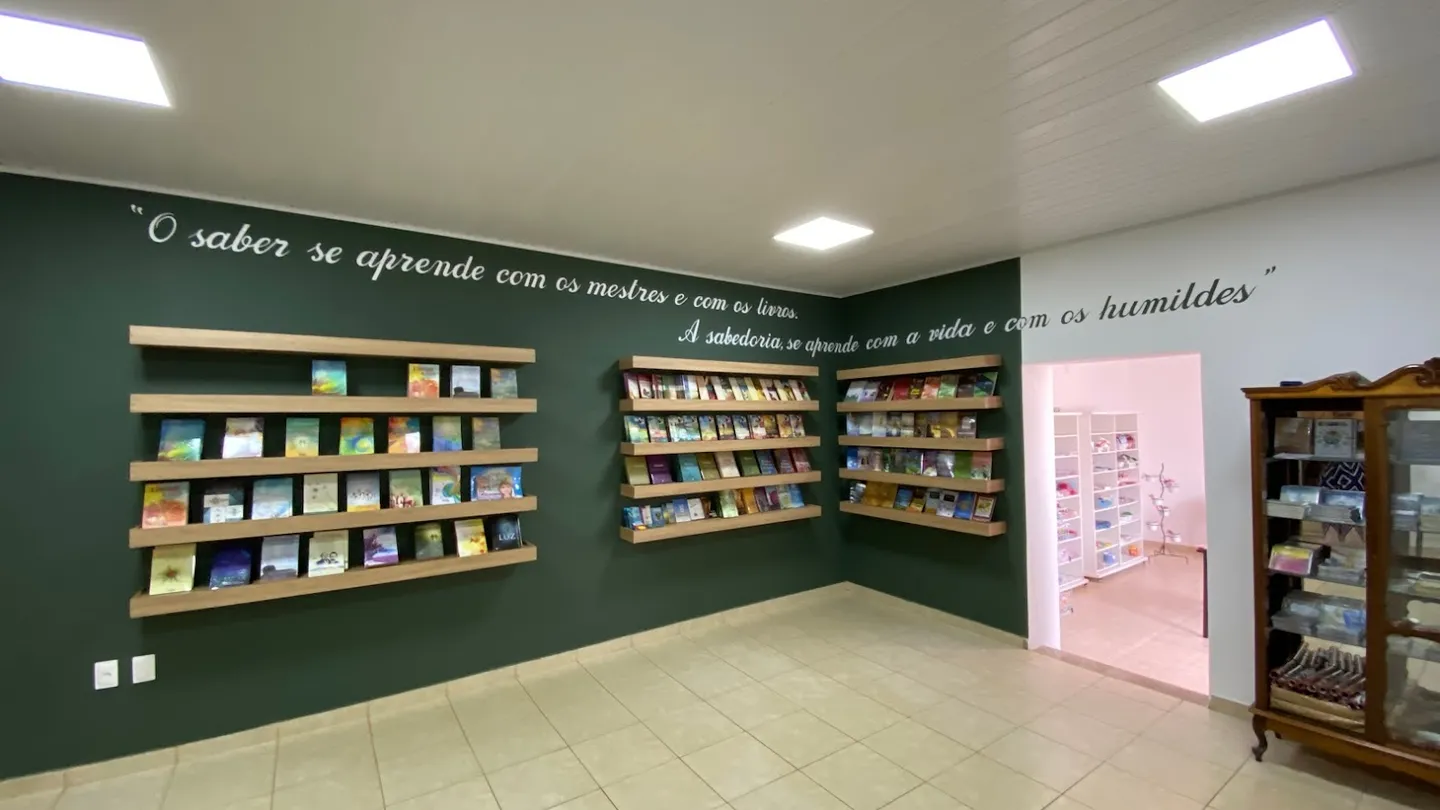
Anyone who wants to know the days, schedules and how to organize themselves in Times and Visitation and on the page of Visits. The collection and memorial room are in Memorial.
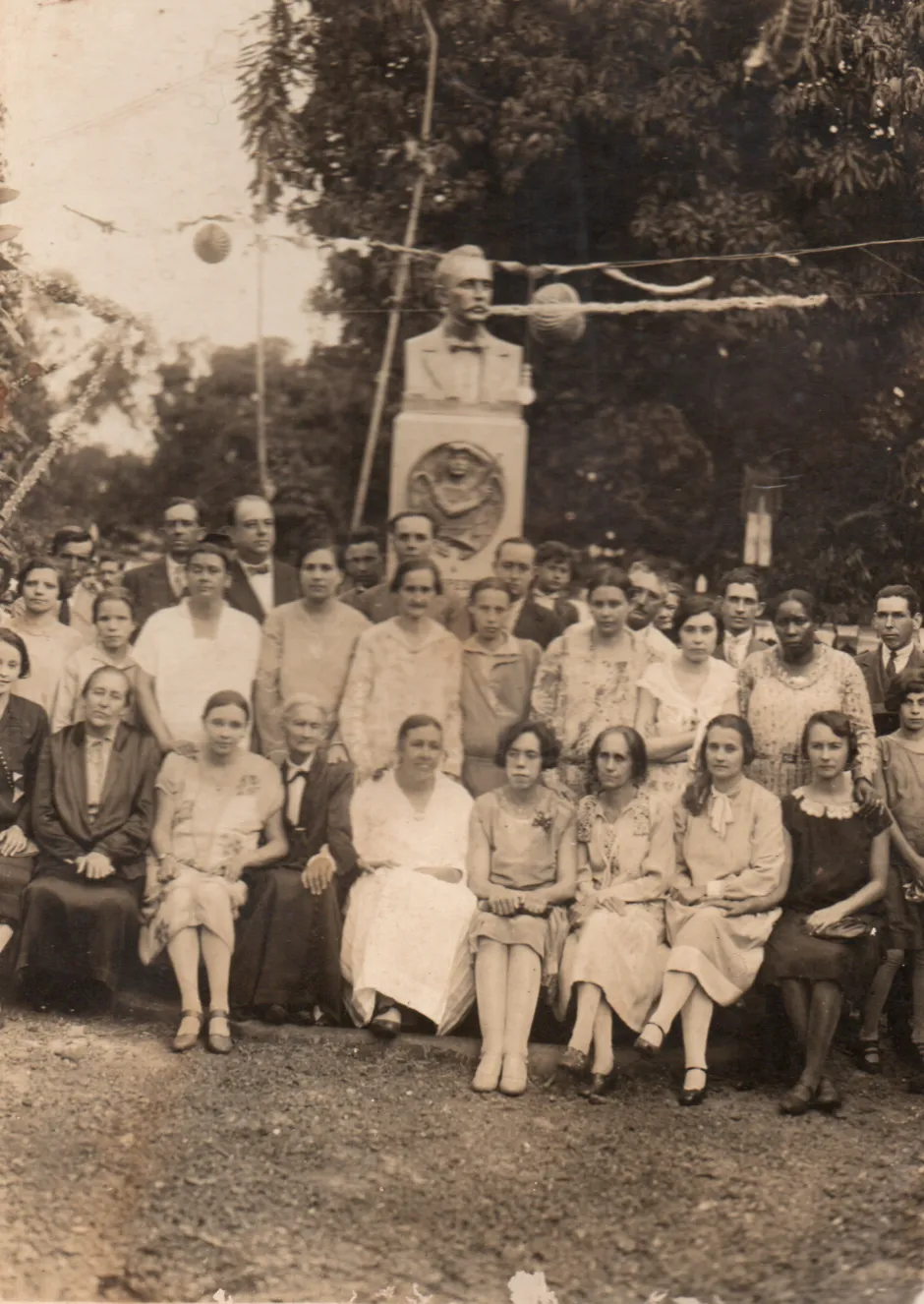
Photos of Colégio Allan Kardec
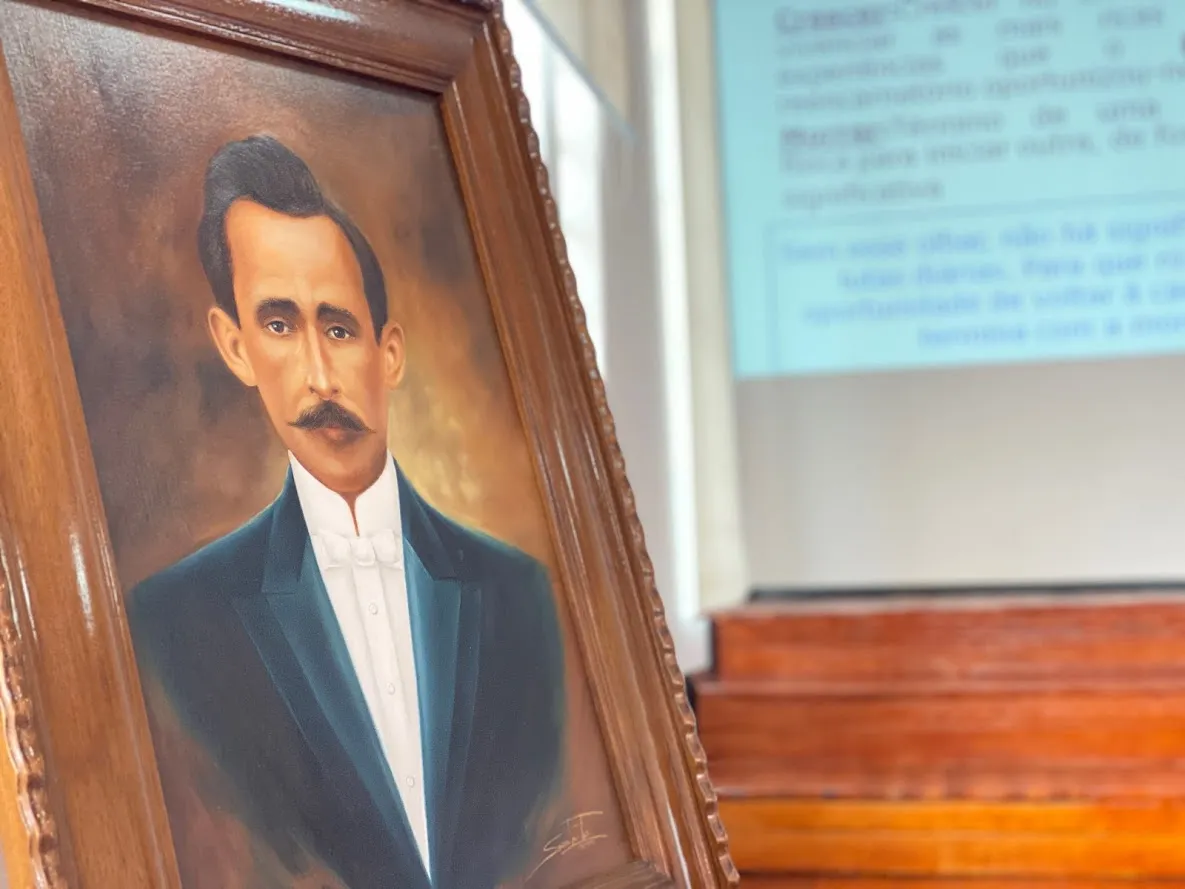
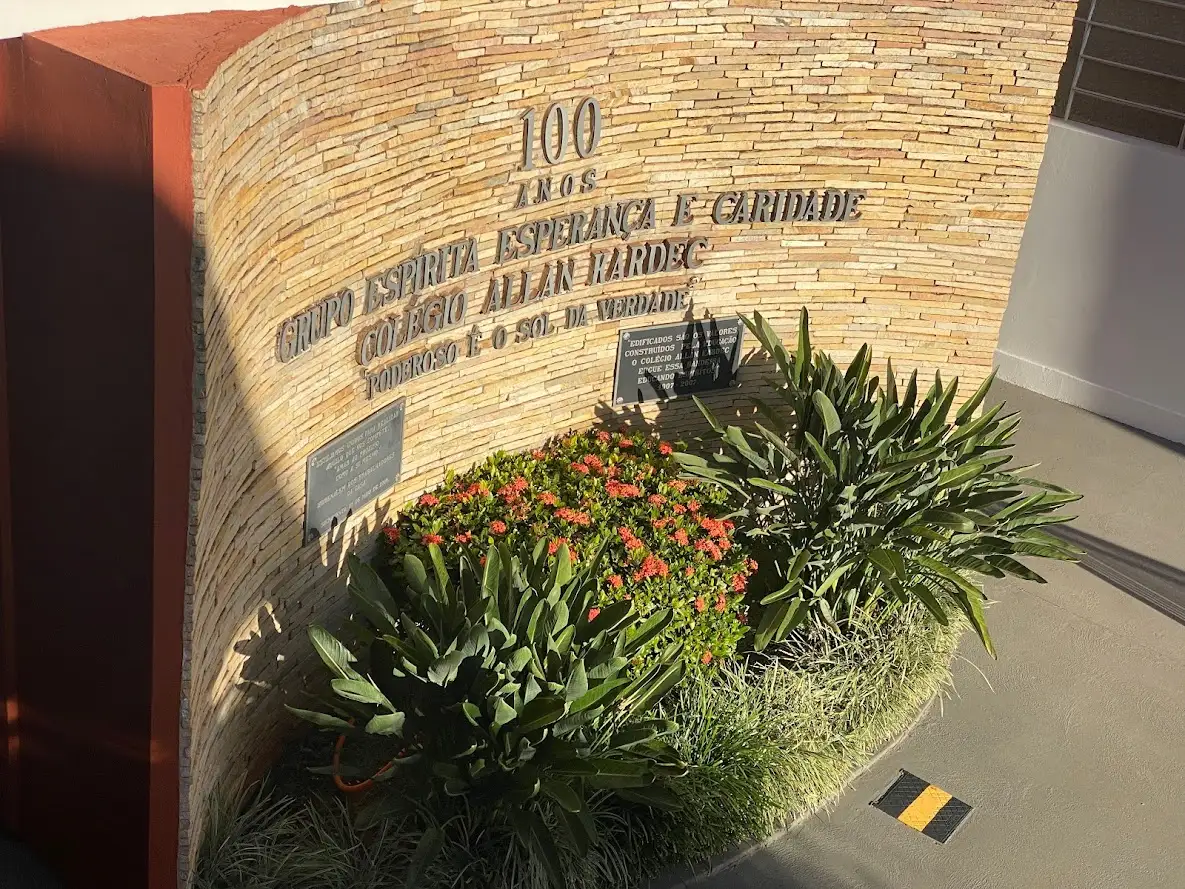
Photos of some CAK dependencies, currently
The Legacy
Colégio Allan Kardec was not just a school, but:
A pedagogical model - which integrated science, philosophy and spirituality
An Example of Courage - publicly assuming spiritist principles in time of persecution
A living proof - that quality education and moral training can walk together
A seed - that generated dozens of other Spiritist schools in Brazil
Corina Novelino likens the emergence of Colégio Allan Kardec from these difficulties to a flower that Eurípedes lovingly tended.
Sources and readings
- NOVELINO, CORINA. Eurípedes, Man and Mission. Araras: IDE, 1979. Chapter 12, on the message of Mary Most Holy, the foundation, curriculum structure and spiritual protection.
- The Reformer: news of the inauguration (1907), of the College in operation (1911), of the Spiritist Pharmacy (1906) and the Term of Visit of regional inspector Alberto da Costa Mattos (1920).
- Alzira's lecture on the Colégio Allan Kardec, on March 27, 2003, from which comes the account of the architectural project and the Arabesques of the hall.
- Photo archive of Colégio Allan Kardec, origin of the photographs of the period and images of the dependencies.
- Historical research in edition by the College, from which come the closing and reopening dates, the official record of 1936, the following directions and the creation of the Escola Eurípedes Barsanulfo.
- Documentary research gathered in Foundation of Colégio Allan Kardec, with complete transcripts and extensive bibliography.
NOVELINO, CORINA. Eurípedes, Man and Mission. Araras: IDE, 1979. Chapter 12 (The Colégio Allan Kardec), sections on the message of Mary Most Holy, foundation of Colégio Allan Kardec, curriculum structure and spiritual protection.